When a tornado warning sounds, there is no time to search the house for bottled water, shoes, or a flashlight. A well-planned storm shelter emergency kit keeps the supplies your family may need within easy reach, helping everyone move into the shelter quickly and stay calm while severe weather passes.
At OKC Shelters, we install concrete storm shelters, garage shelters, safe rooms, and custom shelters across Oklahoma. We also help homeowners think beyond the installation itself, because preparing your family for storm season includes having the right supplies, a clear emergency plan, and a dependable shelter.
Start With Water and Non-Perishable Food
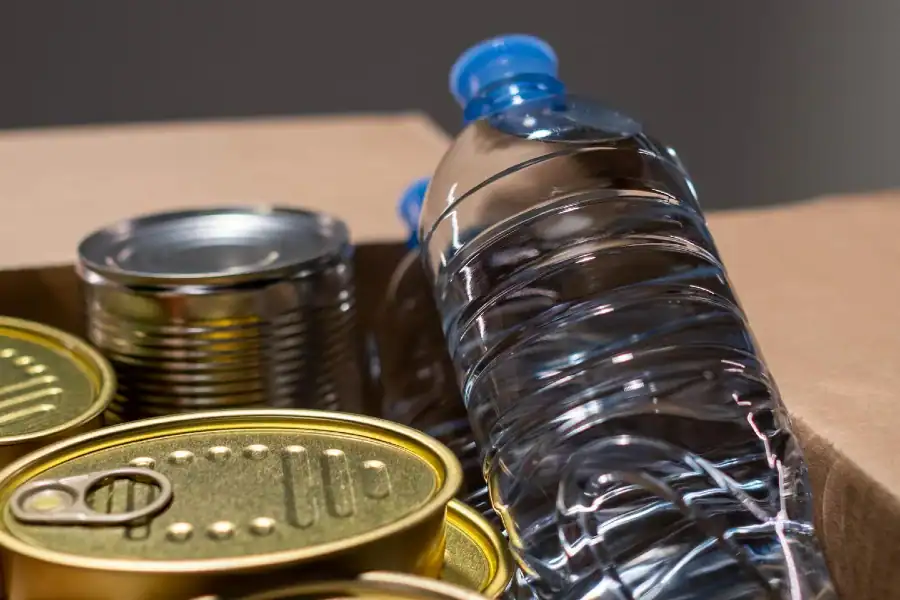
Begin assembling your emergency kit with water and food. A common planning guideline is one gallon of water per person per day for at least three days. If space allows, keep enough extra water to support your household for several days longer. Keep extra water for children, older adults, and pets.
Choose non-perishable food that is simple to open and does not require electricity or cooking. Canned food, crackers, nut butter, dried fruit, and energy bars are practical choices. Add a manual can opener, paper towels, and disposable utensils. Check expiration dates twice a year and replace damaged or expired items so your stock is always usable.
Do not forget pet food and a small water bowl. If your dog or cat takes medication, keep a note in the kit reminding you to bring it during a watch. A carrier, leash, identification tags, and a copy of your pet’s veterinary information can also make it easier to care for pets under stress.
Build a Useful First Aid Kit
Every storm shelter emergency kit should contain a first aid kit. A basic aid kit can include bandages, gauze, antiseptic wipes, medical tape, gloves, tweezers, and pain relievers. Add any first aid instructions your family may need, especially if a person in the house has a medical condition. Check whether any medication requires refrigeration or protection from extreme temperatures. Follow its storage instructions and ask a pharmacist how to protect it during an outage, since some medicines may be damaged by heat or freezing.
Keep prescription details, allergies, and emergency contacts in a waterproof pouch. Include copies of important documents, insurance information, identification, spare keys, and a pen. Originals may be safer in a fire-resistant safe, but waterproof copies can be helpful if your home or car is damaged and the originals become lost or inaccessible.
Add Light, Alerts, and Ways to Signal for Help
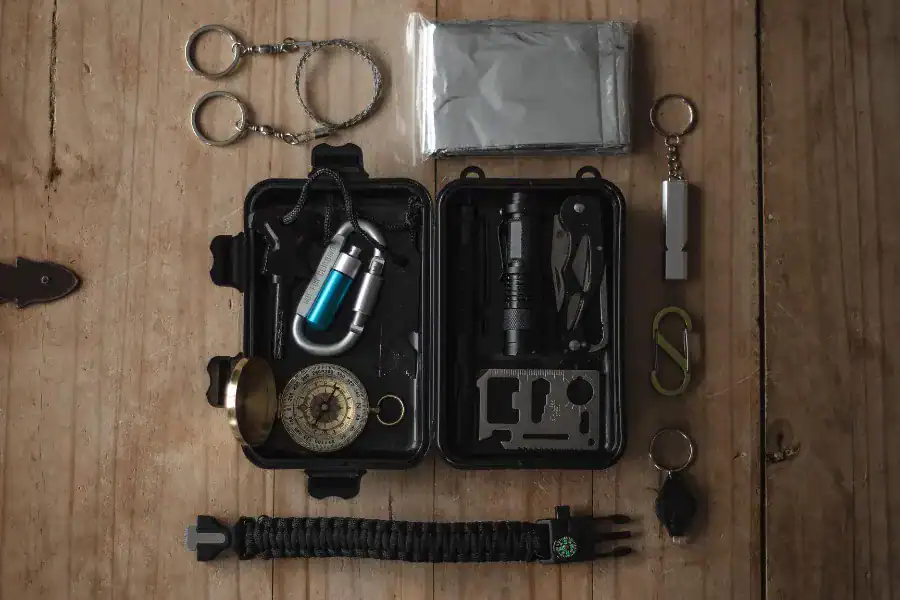
Power may fail before, during, or after a storm, so do not depend on a phone alone. Keep a battery-powered radio or a hand-crank National Oceanic and Atmospheric Administration (NOAA) Weather Radio in the shelter, along with a flashlight, headlamp, and extra batteries. A battery-powered light is easier and safer than a candle when electricity is out.
Test the radio and replace weak batteries regularly. Keep a charged power bank and the correct phone cables nearby. A whistle can signal for help if debris blocks the door or rescuers are searching the site. Duct tape, plastic sheeting, a small wrench, and a multipurpose tool are also recommended items for a broader emergency kit.
After installation, the OKC Shelters team walks homeowners through the entrance, door mechanisms, vents, and basic operating instructions. Knowing how everything works before a warning reduces confusion when seconds matter.
Pack Clothing, Warmth, and Sanitation Supplies
A tornado can leave broken glass, nails, rain, and debris outside the shelter. Store sturdy shoes for every family member, work gloves, and a change of clothing. Keep clothes in a waterproof bag so they remain dry. A warm blanket or sleeping bag can provide comfort and warmth and can be used to cover the body and head for added protection. Consider keeping properly fitted helmets nearby for additional head protection.
For sanitation, add toilet paper, hand sanitizer, moist towelettes, garbage bags, and plastic ties. Families with babies should include diapers and wipes. A dust mask can help reduce exposure to dust when leaving a damaged area.
Space inside a shelter matters, so use labeled containers and avoid blocking the door. Do not store fuel, propane, glass containers, or loose heavy objects that could become hazards.
Make the Kit Work for Children and Pets
Children may become frightened when the wind grows loud or the light goes out. Familiar games, books, comfort items, and other activities can help lower stress. Explain the family plan ahead of time, and practice entering the storm shelter without rushing.
Assign simple responsibilities. One person may bring the phone, another may guide the pets, and an adult may check the weather radio. A clear plan makes it easier to stay calm and identify anything missing before storm season begins.
Maintain a Storm Shelter Checklist
Use a written checklist instead of relying on memory. Include the following items: water, food, first aid supplies, radio, flashlight, batteries, shoes, blankets, sanitation products, documents, medications, and pet supplies. Review the kit every six months and after anything is used.
Also inspect the shelter itself. Make sure the entrance is clear, the door opens correctly, and water has not entered the space. If you notice damage, rust, drainage problems, or a difficult latch, arrange service before the next storm.
OKC Shelters helps Oklahoma families choose and install concrete shelters, under-garage shelters, safe rooms, and custom options that fit their property. Whether the right location is your garage, yard, existing basement, or another suitable area, contact our team at (405) 896-8080, and they can evaluate the site and explain which shelter options fit your property.
A storm shelter can help your family survive a tornado, but preparing should not begin when the sirens start. A few simple habits can make a real difference: keep the kit stocked, practice your shelter plan, and make sure every person and pet can reach safety quickly. When severe weather arrives, you will be ready to move quickly, close the door, and focus on staying safe.