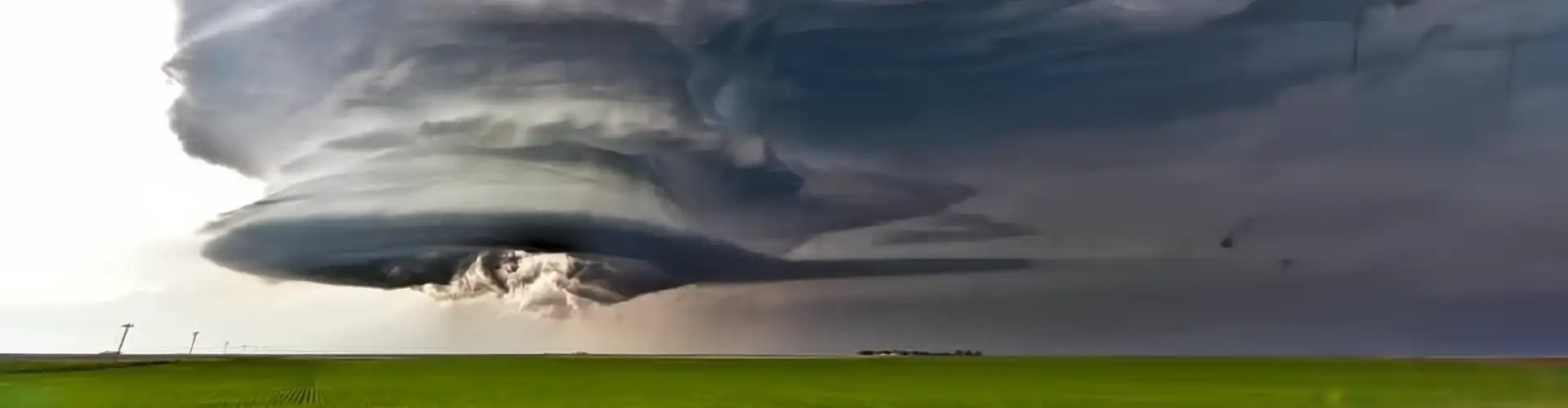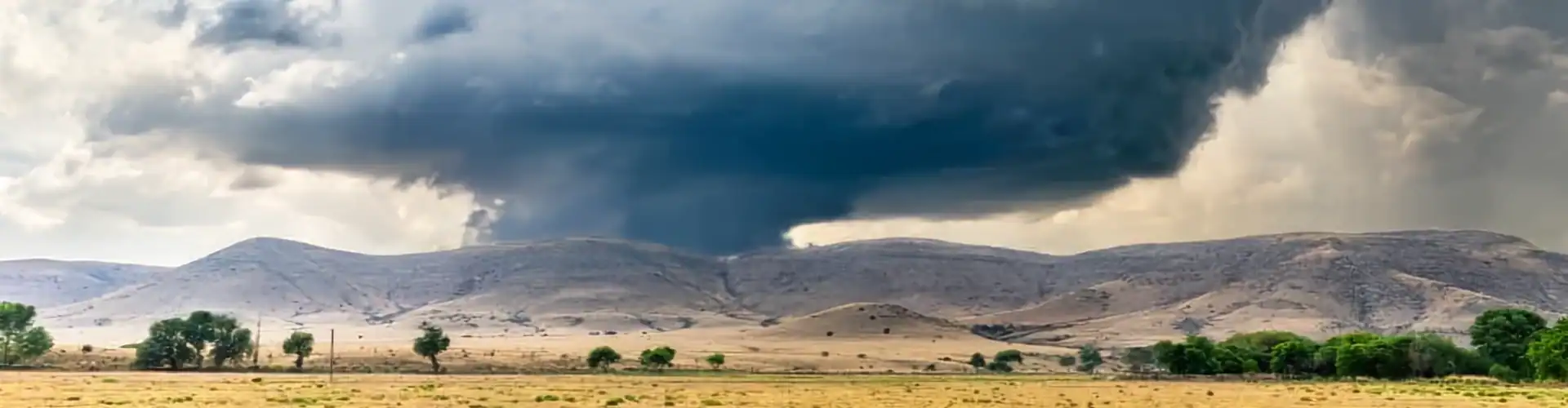
An Oklahoma storm warning can interrupt dinner or a quiet evening. The last thing you want is a missing key or a shelter door that refuses to open.
This guide covers storm shelter locks and security practices, from door hardware and construction standards to emergency access, maintenance, and supplies. At OKC Shelters, we help families prepare for severe weather with shelters that fit their homes. Here’s what to check so your loved ones have less to worry about.
Why Storm Shelter Doors Need More Than Strong Locks

A residential storm shelter must do more than discourage unwanted visitors. Its door assembly needs to withstand extreme winds and flying debris within its documented design limits. Wind pressure and impact forces put stress on the door, frame, hinges, and latches together.
FEMA P-320 outlines residential safe room construction guidance, including reinforced concrete options. Ask for documentation showing that your storm shelter meets applicable ICC 500 requirements. For a FEMA safe room, confirm that it also meets the relevant FEMA guidelines. Reinforced walls made of steel or concrete need a compatible, tested door assembly to preserve structural integrity. The shelter must be securely anchored to resist shifting, overturning, and uplift during high winds.
Many shelters secure doors at multiple points. Some shelter models use a 6-point locking system, which secures the door at six locations. What matters is whether the door, frame, hinges, and latches were tested together as an assembly to resist wind pressure and debris impacts. FEMA’s residential tornado safe room criteria use a 15-pound 2×4 traveling at 100 mph for vertical surfaces and 67 mph for horizontal surfaces. Confirm replacement hardware with the manufacturer. Ask for the door assembly’s testing documentation and operating instructions. Keep them with your storm plan so household members can review the steps together.
Keep Security and Emergency Access Working Together
Many homeowners want their shelter to support home security and storm safety, especially when emergency supplies stay inside. If forced entry is a concern, ask for documentation specifically showing burglary resistance. A tornado rating alone does not establish that protection.
An exterior lock controls access while the shelter is unused. During a storm, occupants must engage the designated latches properly. Choose hardware everyone can operate. For electronic locks, verify power-outage operation and backup access before relying on them.
Never add hardware that could leave someone trapped inside. Storm shelter locks must not prohibit exit. If closing, latching, or locking is electronically controlled, occupants must still be able to secure the shelter door from inside.
Keep keys available to responsible household members without exposing them to strangers. Avoid relying on one key that leaves with a parent.
Choose a Location Your Family Can Reach

Putting a shelter somewhere convenient is one of the most important ways to improve readiness. Consider the route from the house, especially at night.
Above-ground storm shelters can offer walk-in accessibility for people who struggle with stairs. Our safe room installations provide above-ground options for families who need straightforward entry. We also install garage shelters beneath the floor, keeping access indoors, and concrete shelters outdoors.
The right choice depends on your property and household. A basement may provide a place to shelter, but it is not automatically a purpose-built safe room. Consider flooding risk, available space, and everyone’s ability to reach safety.
Our team helps evaluate the location before installation. Keep pathways clear of obstacles for rapid access during emergencies.
Practice Before Extreme Weather Events Happen
On a calm day, practice entering the shelter. Show adults how to close, secure, and release the door. Teach children where to go and who will help them.
Do you need to push the handle, pull it, or engage separate latches? Learn the sequence now. Follow your model’s instructions.
Keep the room equipped with battery-powered lighting, drinking water, necessary medication, and a weather radio. Keep emergency supplies accessible. Avoid candles; flames create a fire hazard. Shelters need protected ventilation designed to meet applicable FEMA and ICC 500 criteria. Keep ventilation openings clear.
A heavy door or misplaced flashlight is easier to address before danger arrives. Familiarity brings some peace when the wind gets loud.
Check Locks, Hinges, and the Surrounding Area
Open and operate the shelter regularly according to the manufacturer’s maintenance schedule. Look for rust, loose components, sticking latches, and debris in tracks. Use only recommended cleaning products and lubricants.
Check the walls and frame for visible damage. A new hole, bent component, or latch that no longer lines up deserves attention. Do not drill into the assembly or alter hardware without manufacturer guidance.
Keep the approach clear. Boxes stacked over a garage hatch or lawn equipment against an outdoor entrance can delay entry.
At OKC Shelters, our installation process includes checking door operation and walking you through access, use, and maintenance. If something later feels different, address it before the next storm. For replacement hardware, start with the manufacturer’s specifications.
Plan for Trouble After the Storm
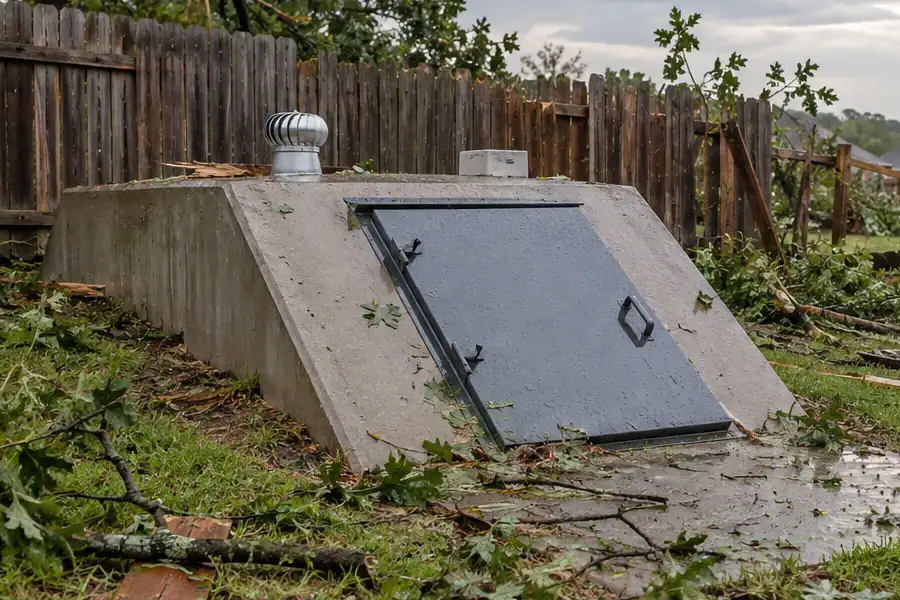
Extreme winds can leave debris around an exit even when the shelter remains intact. Keep a charged phone and a portable charging bank available. If you cannot leave safely, contact emergency services and explain your location and situation.
Ask your local emergency management office whether shelter registration is available. Share the location with a trusted contact. Registration helps responders know where to look, but it cannot guarantee immediate rescue after a disaster.
No single shelter feature guarantees protection from every direct hit. Documented testing, proper installation, and preparation reduce risk. A shelter is a critical line of defense within your home protection plan.
Storm Shelter Security Questions
Can I install a different lock?
Ask the manufacturer first. Replacement hardware must preserve the assembly’s protective performance and safe exit.
Can a safe room also serve as a panic room?
A storm shelter can serve as a panic room during home intrusions if it is designed for both purposes. Ask for documentation showing resistance to forced entry before relying on it for home security.
Make Your Shelter Ready for Real Life
Your shelter should feel like a sanctuary when Oklahoma weather turns threatening. Reliable access matters as much as strong walls.
At OKC Shelters, we install concrete shelters, garage shelters, safe rooms, and custom shelters and bunkers. We help homeowners compare layouts and entry options. Contact our team at (405) 896-8080 for a quote and take the next step to protect your family.