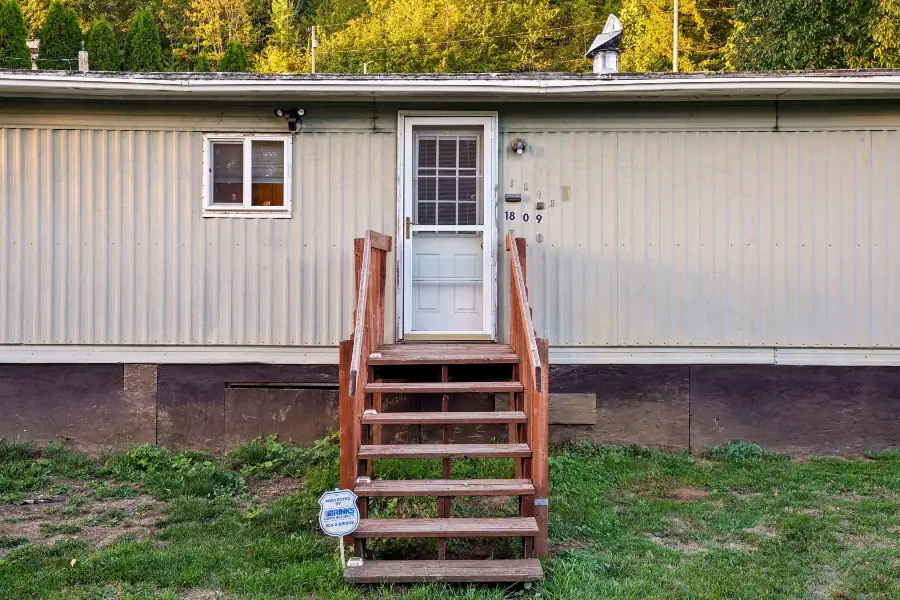
Living in a mobile home means tornado planning needs to happen before the sirens sound. Oklahoma is prone to severe storms, and mobile homes are not built to withstand tornado-force winds. Having a tornado safety plan before tornado season can make a major difference when dangerous weather develops.
There are several mobile home storm shelter options, from a professionally installed storm shelter to nearby community storm shelters. The right choice depends on whether you own or rent your lot, available space, accessibility, cost, and how quickly everyone can reach safety.
At OKC Shelters, we help Oklahoma families compare concrete shelters, garage shelters, steel safe rooms, and custom shelter solutions. Our goal is to help you find a practical option that helps keep your family safe and gives you greater peace of mind.
What Are the Best Storm Shelter Options for Mobile Homes?
Different types of storm shelters solve different problems. If you own the land around your mobile home, you may have room for an underground shelter or a separate above-ground safe room. If you live in a mobile home park, community shelters may be the most realistic option.
The key is choosing a shelter that is properly engineered, anchored, installed, and easy to reach. Wind resistance, structural integrity, entry design, and placement all matter. FEMA residential safe-room criteria use a 250-mph tornado design wind speed along with debris-impact requirements for extreme tornado conditions.
Above Ground Safe Rooms
An above-ground safe room can be a practical choice for families who want ground-level access. Instead of climbing down stairs, you walk directly into the protected space. That can matter for older adults, children, or anyone with limited mobility.
Above-ground units also depend on heavy-duty anchoring systems that transfer extreme wind and uplift forces into the foundation. That makes the condition of the slab and proper anchor installation just as important as the shelter itself.
Above-ground options may also make more sense on properties where flooding or a high water table makes a below-ground shelter unsuitable. Site-specific flood conditions should always be reviewed before choosing a shelter.
Look for documented compliance with recognized criteria such as FEMA P-320 guidance and ICC 500. FEMA does not certify or approve shelter products, so “FEMA certified” should not be treated as proof by itself.
Doors are also important. Impact-protective door assemblies used in safe rooms must meet pressure and missile-impact requirements. Inward-swinging doors can be less likely to become blocked by post-storm debris.
At OKC Shelters, our steel safe rooms are planned around the property, foundation, household size, and accessibility. While some homeowners are seeking easy installation, proper anchoring and a suitable slab should always come first.
Underground Tornado Shelters
An underground tornado shelter is another familiar Oklahoma option. It places the protected space below ground, separating occupants from extreme winds and flying debris.
For a mobile home owner with enough yard space, a properly installed underground shelter can provide superior protection compared with remaining inside the mobile home during a tornado. Before installation, consider utilities, drainage, soil, excavation access, delivery, and the distance from the house or mobile home.
ICC 500-2023 limits the travel path from an exterior residential door to an exterior safe-room entrance to 150 feet. Closer can be better because mobile home residents should reach the shelter before high winds make outdoor travel dangerous.
OKC Shelters installs reinforced concrete underground shelters throughout Oklahoma and evaluates each site rather than assuming one setup works everywhere.
What About Garage Storm Shelters?
Garage shelters sit beneath a garage floor, providing below-ground protection without crossing the yard. Mobile homes may not have an attached garage, but a separate garage with a suitable concrete floor could make this option worth discussing.
OKC Shelters can provide assistance comparing garage shelters with outdoor concrete shelters or safe rooms so the final choice makes sense for the property and the people using it.
Community Storm Shelters and Mobile Home Parks
For many mobile home residents, community storm shelters are an important part of tornado safety. Some mobile home park communities provide a designated shelter, while others direct residents to another nearby structure.
Do not wait for a tornado watch or warning to find it. Ask park management where community shelters are located, when they open, how many people they hold, and whether pets are allowed. Travel the route on a normal day.
Residents should also ask about the mobile home park’s emergency shelter plan and any applicable shelter rules. Knowing what applies to your park before severe weather arrives can reduce the risk of confusion when time matters. Knowing what applies to your park before severe weather arrives can reduce the risk of confusion when time matters.
This is especially important during tornado season, when Oklahoma can experience frequent severe storms. If the shelter is several minutes away, your tornado safety plan may require leaving earlier. Keep your phone charged, enable weather alerts, and make sure everyone knows where to go and how to stay safe, especially at night.
What Standards Should You Look For?
When comparing manufacturers, look beyond price, advertising, or online comments. FEMA P-320 and ICC 500 provide important criteria for design, installation, testing, and inspection. Quality shelters are engineered for extreme wind loads and debris impacts, with FEMA residential guidance using a 250-mph tornado design wind speed.
The National Storm Shelter Association, or NSSA, vets member producers and installers. Producer members submit designs, testing results, and installation procedures for third-party review, and verified shelters may carry an NSSA seal. This gives buyers another way to check the support behind safety claims.
That’s why we encourage customers to ask about standards, anchoring, doors, and installation—not just the price.
Tornado Safety Starts Before the Warning
A tornado shelter only helps if your family can reach it in time. Mobile homes should not be treated as safe places during a tornado, so preparation is especially important.
Keep sturdy shoes, flashlights, medications, a weather radio, and basic supplies ready. During a tornado watch, review your plan. If you depend on a community shelter, moving early may be safer than waiting until the storm is close.
Your tornado safety plan should also include a post-storm plan. Decide where family members will meet if phone service fails, and avoid damaged structures, downed lines, and debris afterward. Once the storm passes, stay alert for additional warnings and changing conditions.
Permits, Registration, and Financial Assistance
Inside Oklahoma City, a building permit is required for both above- and below-ground storm shelters. After installation and inspection, homeowners can register the shelter with the City. The registry helps first responders locate storm shelters after a tornado or other emergency.
Storm shelter costs vary by size, type, site conditions, delivery, excavation, foundation work, and installation. Looking only at the shelter’s base price may not show the full project cost, especially when a property needs additional site preparation.
Oklahoma’s SoonerSafe program has provided rebates for qualifying safe-room installations through FEMA hazard-mitigation funding. Under current program rules, mobile home residents must own both the mobile home and the land to qualify. Funding and registration periods vary, so check eligibility before buying; previously installed shelters generally do not qualify.
SoonerSafe also requires a qualifying detached safe room to be installed within 100 feet of the home. Homeowners hoping to use the rebate should therefore consider shelter placement before installation rather than moving forward and checking the program rules afterward.
Other federal or state hazard-mitigation assistance may support qualifying projects through local programs. If you are curious about available assistance, check current Oklahoma Emergency Management information before installation rather than assuming a rebate will be available.
Frequently Asked Questions About Mobile Home Storm Shelter Options
What is the safest storm shelter for a mobile home?
A purpose-built tornado shelter or safe room that is properly designed, anchored, and installed provides much better protection than remaining inside a mobile home. Look for documented compliance with applicable FEMA guidance and ICC 500 rather than relying only on marketing claims.
Can I install a storm shelter next to a mobile home?
In many cases, yes. Soil, utilities, drainage, access, and local requirements all affect placement. Exterior residential safe rooms should also be close enough to reach quickly, with ICC 500 limiting the travel path to 150 feet from an exterior residential door.
Should I register my storm shelter?
If you live in Oklahoma City, you can register a shelter after it is permitted, installed, and inspected. Registration can help emergency responders locate it after a severe storm if debris blocks access.
Choosing the Right Mobile Home Storm Shelter

The best mobile home storm shelter options fit both your property and your family. If you own your lot and have yard space, an underground concrete shelter may be a strong choice. If easy access is the priority, an above-ground safe room may make more sense. If you rent your lot, start with community storm shelters and park policies.
At OKC Shelters, we offer concrete shelters, garage shelters, steel safe rooms, and custom shelters and bunkers, along with professional installation. We help families consider placement, access, household needs, and site conditions before work begins. Just reach us at (405) 896-8080, and our team will help you understand the best storm shelter for your home.
Protecting lives is the reason storm shelters matter. Good planning can bring greater peace and security when the next storm arrives.