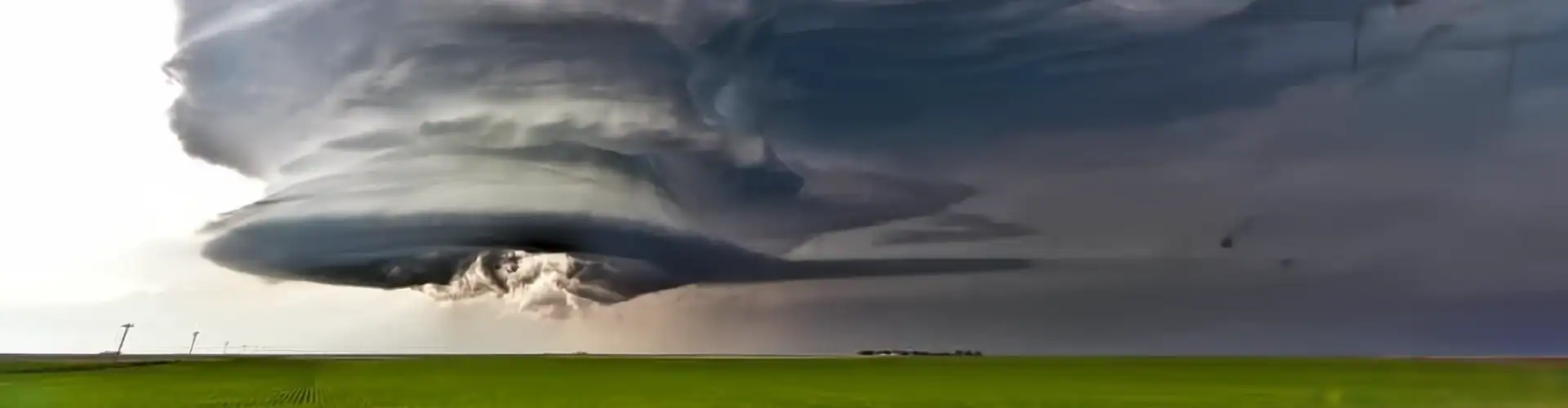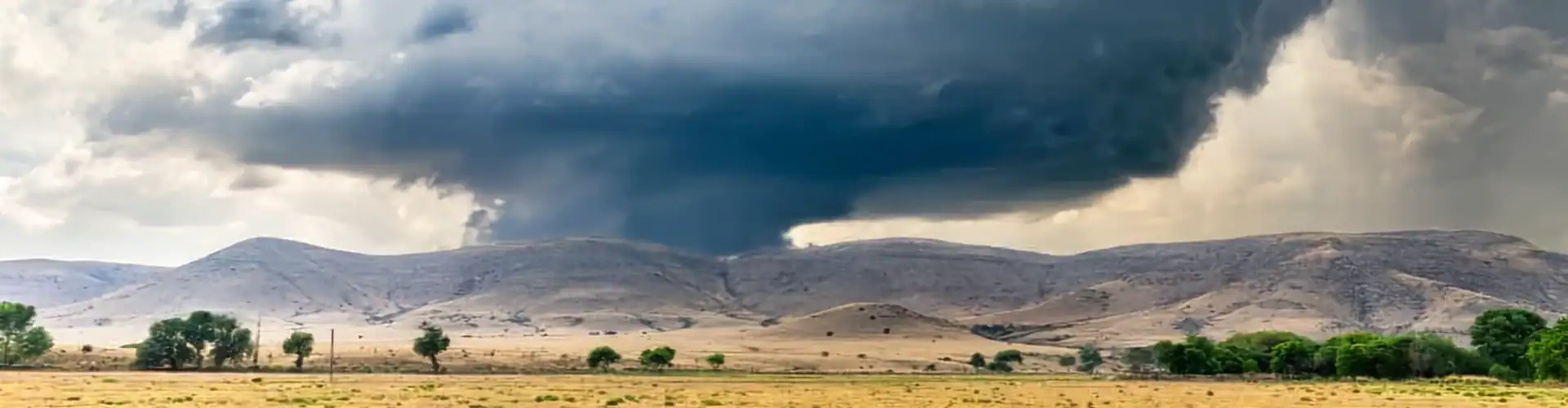
If you have watched the sky turn dark on an Oklahoma spring afternoon, you may have asked, “Do I need a storm shelter in Oklahoma?” In simple terms, yes—if you live in Oklahoma, having access to a storm shelter is strongly worth considering. Not every storm produces a tornado, but severe weather events can develop quickly. A dependable place to seek shelter removes one major decision when minutes matter.
At OKC Shelters, we help families across Oklahoma City choose protection that fits their home and routine. A storm shelter gives your family a designated place to go when tornado warnings are issued. We offer several options, including underground garage storm shelters, concrete shelters, safe rooms, and custom shelters and bunkers.
Why Storm Shelters Matter in Oklahoma
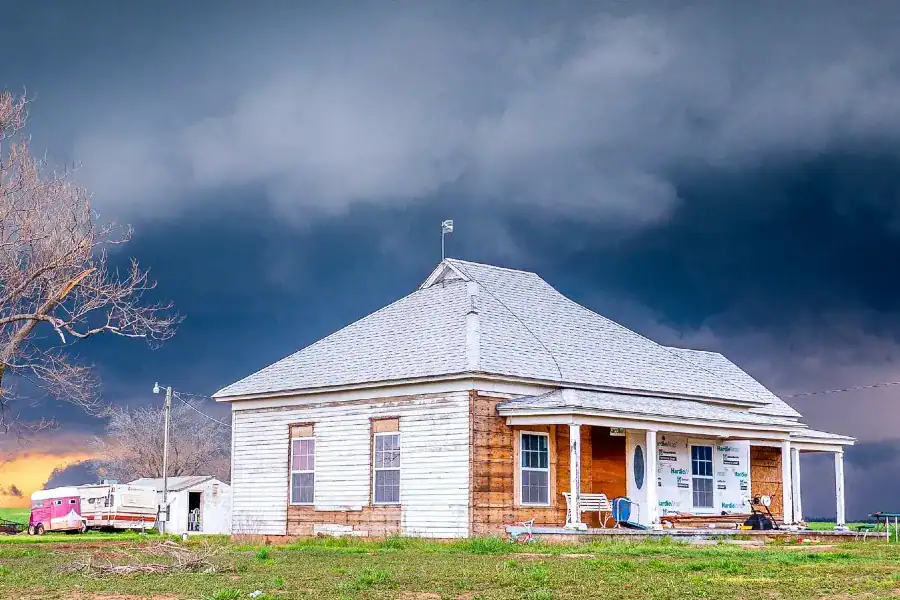
Oklahoma tornadoes are part of life here. Tornadoes can occur at any time of year, although spring is the most common season for severe weather in Oklahoma. Extreme winds can damage buildings and trees and turn objects into flying debris during a severe storm. Violent tornadoes can produce estimated winds above 200 mph, while flying debris is one of the greatest dangers during a tornado. A tornado does not have to directly strike your house for high winds and flying debris to create dangerous conditions.
Reinforced underground shelters, storm cellars, enclosed basements, and safe rooms are generally among the safest places during a tornado. If those are not available, residents should move to a small interior room on the lowest ground level of a sturdy building, away from windows and exterior doors.
Have your safety plan ready before storms move in. Waiting until a warning is issued can leave your family with fewer options.
Who Should Consider a Storm Shelter?
If your house has no basement, an interior room or hallway may be your best indoor option, but it is not the same as a purpose-built safe room designed for high winds and debris impact.
A mobile home requires more planning because occupants should not rely on the structure itself for tornado protection. Oklahoma emergency management guidance identifies mobile homes as unsafe during tornadoes and recommends finding stronger shelter before the storm arrives.
Think about children, older adults, pets, and anyone with limited mobility. Can everyone reach the shelter quickly? Could the garage entry or shelter door become blocked? These factors matter when keeping your family safe.
A small business, school, or community facility should also have an emergency plan that clearly tells people where to go.
Choosing the Right Storm Shelter
At OKC Shelters, we install several types of tornado shelters. What works for one home may not work for another. Family size, accessibility, available space, ground conditions, and budget can all affect the decision of choosing the right storm shelter.
Underground Garage Storm Shelters
Underground garage storm shelters provide dedicated protection without taking up yard space. An underground garage unit is installed beneath the garage floor, so your family does not have to cross the yard during hail, rain, or strong winds.
For homeowners who want ground-level access, our steel-reinforced safe rooms can provide a practical alternative to going underground. We can help determine whether one fits your home’s layout and your family’s accessibility needs.
Installation should account for vehicles, drainage, entry space, and the shelter door. You want the entrance clear and easy to reach when the weather turns dangerous.
Above-Ground Safe Rooms
An above-ground safe room may work better for people who prefer to avoid stairs. It can be installed inside or attached to a home and may be easier to reach.
OKC Shelters offers garage shelters, concrete shelters, steel-reinforced safe rooms, and custom shelters and bunkers, helping homeowners compare practical options.
What Should a Tornado Shelter Be Built to Handle?
A tornado shelter is more than a steel box or concrete room. Anchoring, door design, testing, and installation matter.
FEMA publishes safe-room guidance and references ICC 500, the standard for the design and construction of storm shelters. Homeowners should ask whether a shelter has been impact tested for tornado conditions and how it is anchored to resist extreme forces.
At OKC Shelters, we focus on shelters designed to meet or exceed FEMA standards and applicable ICC 500 requirements. We also review concrete, space, access, and other site factors before installation. We bring more than 20 years of storm-shelter industry experience to installations across Oklahoma.
Cost varies by shelter type, capacity, excavation, and property conditions. Financing can make the upfront cost easier to manage, and rebate or assistance programs may be available depending on eligibility and current funding. OKC Shelters works with homeowners on available financing options so safety does not have to become an all-at-once expense.
Build a Tornado Plan Before the Warning
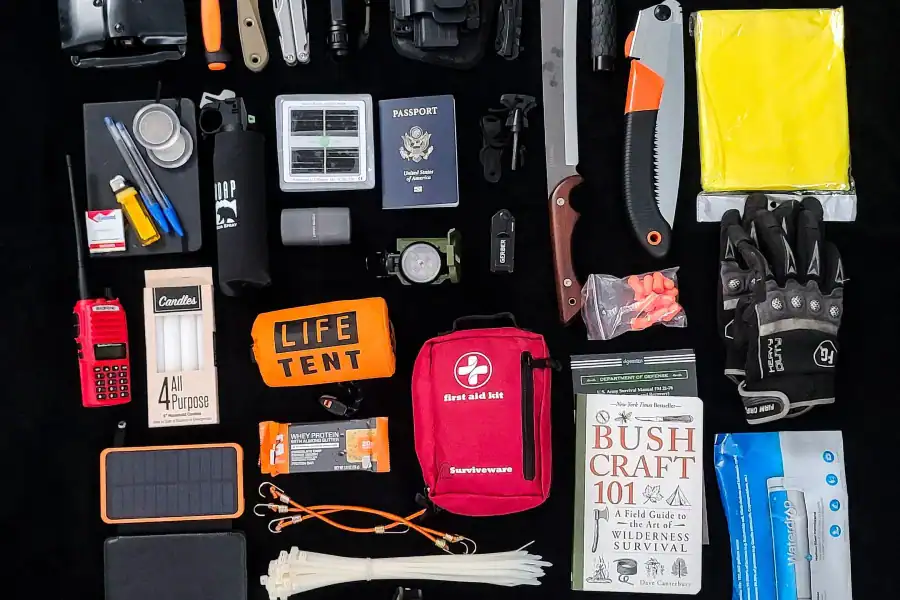
After a shelter is installed, everyone in the family should know the location and practice getting there, including children and pets.
Keep emergency supplies nearby. An emergency kit might include water, flashlights, batteries, a weather radio, sturdy shoes, medication, blankets, charging equipment, and a first aid kit; even a basic aid kit can be useful for handling minor injuries until help arrives. Oklahoma emergency management officials also recommend keeping several days of food and water, flashlights, a weather radio, and other basic supplies ready.
Have more than one way to receive tornado warnings. If emergency management officials tell residents to seek shelter, act immediately. A tornado warning means it is time to take shelter rather than wait to see what happens outside.
Check with your local emergency management office to see whether your city offers storm shelter registration. In Oklahoma City, registration helps emergency responders locate a shelter after a disaster, including situations where debris may block the exit.
What If I Do Not Have a Storm Shelter?
Without a dedicated shelter, go to the lowest level of a sturdy building. Use a basement if available; otherwise, choose a small interior room, hallway, or closet away from windows.
Put as many walls as possible between your family and outside. Use pillows, blankets, a mattress, or other cover to protect yourself from debris. Oklahoma emergency management recommends getting inside, getting down, and covering up when tornadoes threaten.
Do not remain in a mobile home if you can reach stronger shelter before the storm arrives.
The goal is to reduce injury or death from wind and flying debris. Don’t wait until a tornado is nearby to drive across town looking for shelter. Knowing your safe location ahead of time is much better than trying to make that decision during a warning.
Frequently Asked Questions About Storm Shelters in Oklahoma
Are storm shelters required in Oklahoma?
Oklahoma does not generally require every existing single-family home to have a storm shelter. However, local permitting, construction, and inspection requirements can apply when a shelter is installed, so check with your city or county.
Is an underground shelter safer than an above-ground safe room?
Neither option is typically considered safer based on location alone. The better option depends on accessibility, property layout, family needs, and available space.
How long should we stay in the shelter?
Stay inside until the threat has passed and reliable weather or emergency management sources indicate it is safe to leave. Severe weather can continue for several hours, and more than one storm may move through the area. Also, a tornado can change its path quickly, which is one reason your family should know where to seek shelter before a warning is issued.
What should I keep inside?
Keep the essentials: water, a flashlight, sturdy shoes, medication, blankets, an emergency kit, a first aid kit, and supplies for children or pets.
Is a Storm Shelter Worth It in Oklahoma?
For many Oklahoma residents, the value of a storm shelter comes down to having one dependable place to go when tornado warnings arrive.
No shelter can stop a tornado from crossing your property, but the right shelter can protect your family from winds and debris that ordinary parts of a house may not be built to handle.
At OKC Shelters, we help Oklahoma families prepare before the weather turns serious. We install underground garage storm shelters, concrete shelters, safe rooms, and custom options throughout Oklahoma City and nearby communities. We can also explain installation considerations and available financing.
If you are still deciding, start with your current safety plan. Where would your family go today? Can everyone reach that space quickly? If the answer leaves you uncertain, contact OKC Shelters at (405) 896-8080 to discuss a shelter that fits your home, family, and daily life.