
When severe weather strikes in Oklahoma, insulation is not the first thing on your mind. You’re thinking about your family, the warning on your phone, the wind outside, and how fast everyone can get to safety. That’s exactly how it should be, a storm shelter is built for safety first.
Still, comfort matters. If your shelter feels damp, too hot in summer, too cold in winter, or musty after rain, OKC Shelters can help you figure out whether insulation is part of the fix. Schedule your free quote today to find out what your shelter needs.
Why Storm Shelter Insulation Matters
Storm shelters are made to protect lives. Whether you have an underground concrete storm shelter, an above-ground safe room, or a garage unit, the main job is to shield you and your family from tornadoes, violent wind, and flying debris. That protection comes from the structure itself: reinforced walls, a secure roof or ceiling, tested doors, a stable foundation, and quality installation, which is exactly what OKC Shelters builds into every unit we install.
But after a shelter is installed, everyday conditions still matter. Oklahoma’s climate brings hot days, cold snaps, heavy rain, humidity, and sudden temperature swings. A cold ceiling can collect moisture. Concrete walls can feel damp. Supplies can start to smell musty.
That’s why many of our customers ask about insulation as a comfort and maintenance upgrade. It doesn’t replace safety, it just helps you maintain a cleaner, drier, more dependable space.
What Insulation Can and Cannot Do
Good insulation slows heat transfer, which can help the inside of your shelter feel more stable through Oklahoma’s hot summers, cold snaps, and damp weather.
In simple terms, it creates a break between the inside of the shelter and the temperature outside it. In underground shelters, the soil already gives some natural temperature protection, but that doesn’t always stop condensation. In above-ground or garage shelters, insulation may reduce heat gain, cold surfaces, and uncomfortable interior conditions.
What insulation can’t do is solve an active water problem. If rainwater is entering through the door, stairs, seams, floor, or walls, OKC Shelters needs to find the water source first. Insulation placed over a wet surface can trap moisture and create bigger problems later, and it should never block ventilation, vents, access points, or emergency openings.
Underground, Garage, and Above-Ground Shelters
Different storm shelters have different insulation needs. A shelter located in the ground or in basements behaves differently from a steel safe room installed in the garage. Location, material, foundation, soil, drainage, and other critical elements all matter.
Underground shelters are often cooler because the ground helps buffer temperature swings. That can be useful during extreme weather, but it can also create condensation when warm, humid air touches cooler concrete. If you see water droplets on the ceiling or walls, insulation may help, but the shelter should also be checked for leaks and ventilation.
Garage shelters are popular because they offer quick access from the house. For families with children, older adults, or pets, that access can make a big difference. A garage location may expose the shelter to heat from the slab, exterior walls, vehicles, and seasonal changes. Insulation may improve comfort, but the door, anchoring, and structure still come first.
Above-ground safe rooms are often constructed from reinforced concrete or steel and installed on a proper slab. Insulation may make sense if the room gets too hot, too cold, or noisy, but the safe room must still be engineered for tornadoes, hurricanes, wind, and flying debris impact. FEMA uses the phrase near-absolute protection for properly designed safe rooms, which is why anchoring, doors, ventilation, and construction details should be handled carefully.
OKC Shelters handles anchoring, doors, ventilation, and construction details carefully so your shelter performs the way it’s supposed to when it matters most.
Best Materials for Storm Shelter Insulation
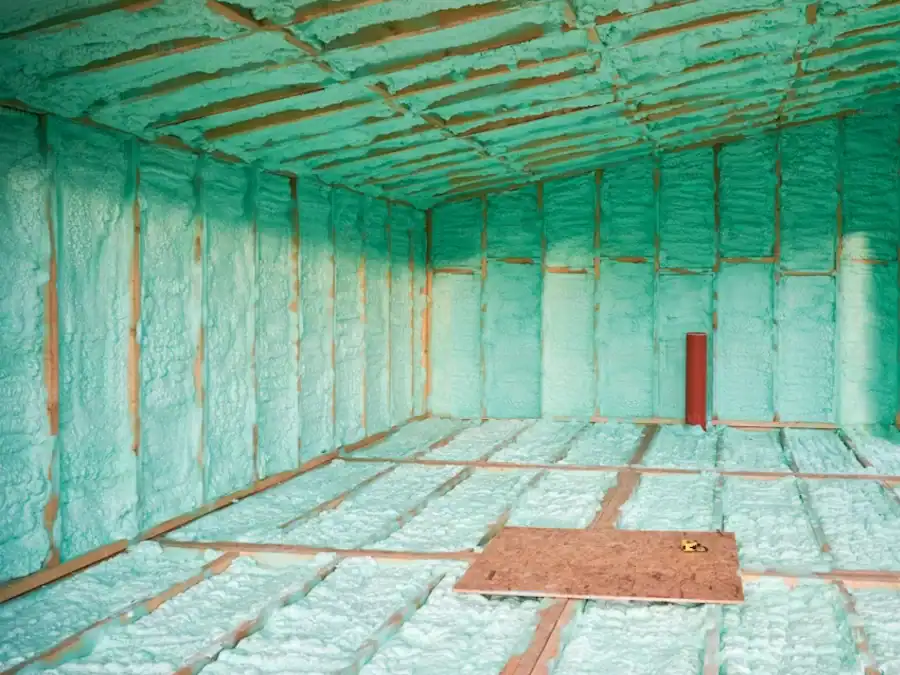
There’s no single best answer for every shelter. The right material depends on the shelter type, surface, moisture level, and whether the shelter is already built or still in the planning stage. Here’s what OKC Shelters considers when discussing insulation options with many homeowners.
- Rigid foam board is often used where a flat concrete surface needs a thermal break. It can reduce the cold surface effect that leads to condensation. Seams and edges matter because gaps can let moist air reach the wall behind it.
- Closed-cell spray foam can work in some applications because it adds insulation and air sealing in one form. It can be useful around irregular areas, but it needs careful installation. If moisture is already present, spray foam may hide the issue instead of solving it.
- We generally steer customers away from fiberglass batts, carpet, or regular wall finishes in a damp shelter. Materials that absorb water can hold odors, encourage mildew, and break down faster. Durability and moisture resistance matter more than a finished-room look.
- For new construction, insulated concrete forms is worth discussing with OKC Shelters. This approach combines concrete strength with built-in insulation, custom sizes and more! It’s not right for every project, but it’s a good example of how insulation and structure can work together when planned from the start.
Moisture, Condensation, and Ventilation
Most insulation questions start with moisture. You open the shelter and notice a musty smell, damp walls, rust, or wet supplies, and the natural question is, “Do I need insulation?” The answer may be yes, but OKC Shelters checks for moisture issues first.
Condensation happens when humid air touches a cooler surface, whether that’s the ceiling, concrete walls, metal doors, or interior frame. Insulation can reduce the temperature difference, which may reduce condensation. But if moisture is coming from a leak, poor drainage, or water pooling near the exterior, insulation alone won’t solve the problem, and OKC Shelters will tell you that upfront instead of selling you something that won’t fix it.
Ventilation matters too. A sealed shelter with no air movement can feel stale and damp, but vents have to be designed so they don’t weaken near absolute protection from falling debris or wind pressure. We never recommend blocking vents just to keep humidity out, that creates a safety concern.
A simple maintenance routine helps between our visits: open the shelter on clear days, check stairs, seals, vents, walls, floor, and ceiling, and store supplies in sealed containers. After heavy rain, inspect the shelter again.
Upfront Cost and Long-Term Peace of Mind
Storm shelter insulation can add to the upfront cost, especially if the work needs professional installation. Costs vary based on shelter size, material choice, access, and whether repairs are needed first. The best way to know what your project will cost is a free quote from OKC Shelters.
Still, the value isn’t only comfort. A dry shelter is easier to use, easier to stock, and easier to trust. When tornadoes are in the forecast, you don’t want to hesitate because the space smells bad, feels wet, or has supplies damaged by moisture.
Peace of mind comes from knowing your shelter is ready before the sirens sound. Your family safety plan should include where the shelter is located, who helps children or elderly family members, how to secure pets, and what supplies are inside. OKC Shelters can help make sure the shelter itself is part of that plan, not a weak link in it.
When to Call a Professional
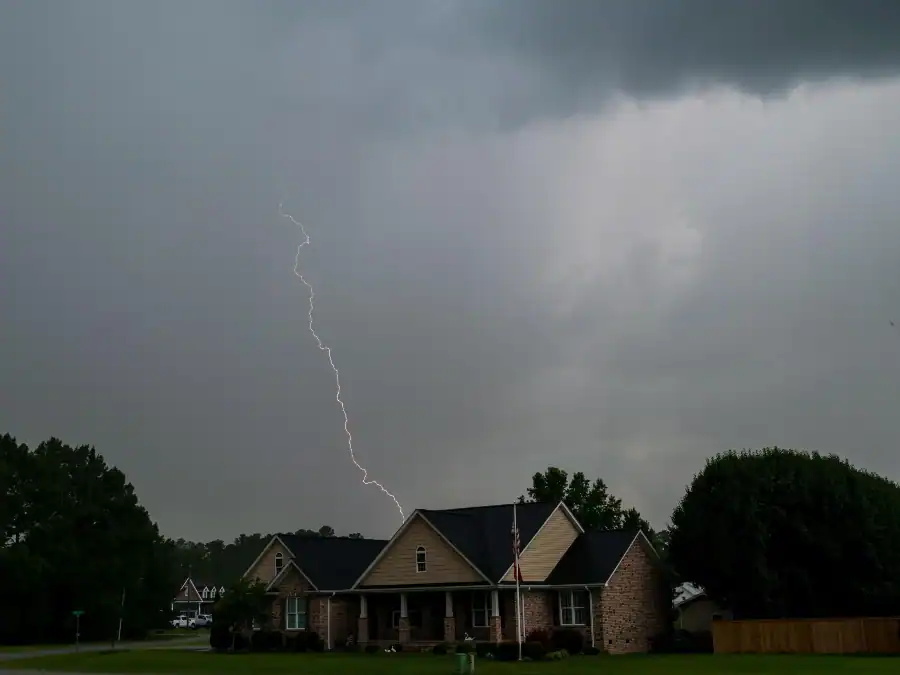
Some shelter care is simple. You can check for visible water, clean the interior, test lighting, replace supplies, and keep the path clear yourself. But insulation, drainage, structural changes, and door adjustments should be handled by professionals.
Call a professional at OKC Shelters if you see active leaks, repeated condensation, rust, cracks, loose hardware, damaged doors, blocked vents, or standing water. Get our advice before drilling into walls, attaching panels, changing ventilation, or adding anything to the roof, ceiling, or foundation. Because of how critical a shelter’s protection is, every change should strengthen it, not compromise it.
At OKC Shelters, we help Oklahoma homeowners choose a shelter that fits their home, their property, and the way their family needs to use it. From concrete ground storm shelters to garage units and safe room options, the right solution depends on your property, your family, and what you expect from the space.
Keep Comfort Connected to Safety
A little comfort planning can make your storm shelter easier to trust when the weather turns serious. It can help control temperature, reduce condensation, protect supplies, and make your shelter feel more comfortable during stressful weather. But it should always be done with safety in mind.
The shelter’s main purpose is protection. It needs strong walls, a secure door, proper ventilation, reliable access, and construction designed to withstand extreme weather. Insulation should support those features without blocking access, airflow, or the shelter’s tested strength.
If you are planning a new shelter or improving one you already have, start with the basics. Look at the location, moisture, access, material, and maintenance needs. Think about how your family will use the shelter when severe weather strikes. Then choose improvements that make sense for comfort and safety.
Need help deciding what your home needs? If your final thought today isn’t to phone OKC Shelters at (405) 896-8080 for a free quote, then you’re making a mistake. We can help you compare options, answer your final questions, explain installation details, and keep your family safe before the next storm arrives.