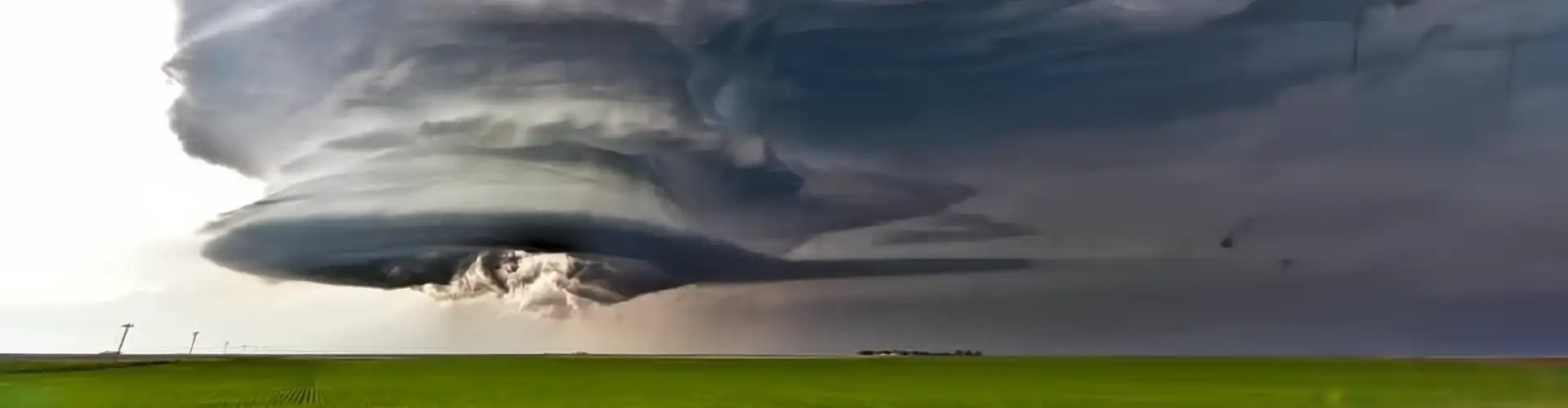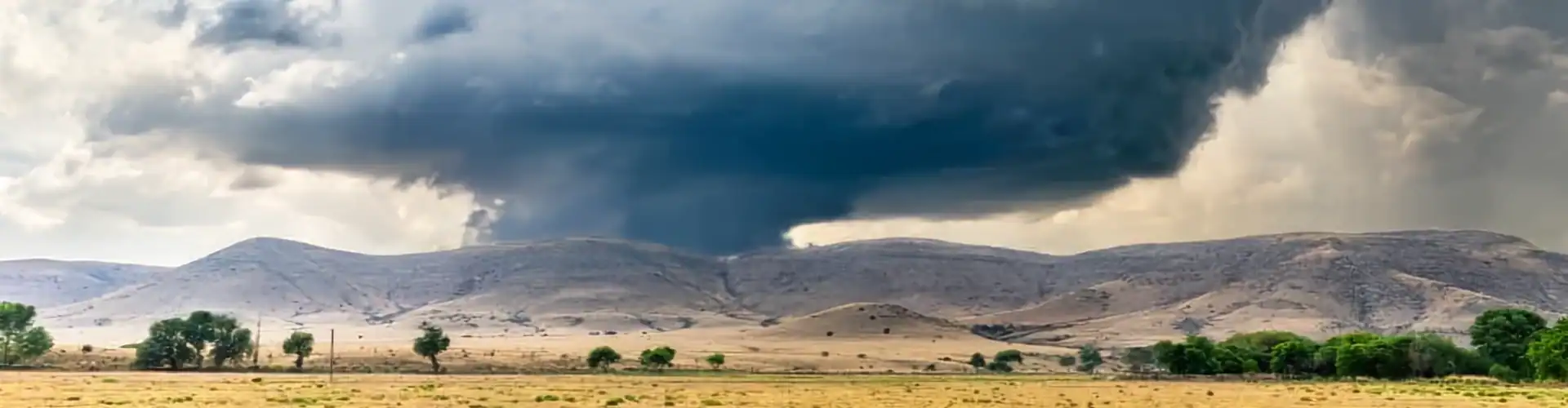
When Oklahoma weather turns serious, the question is not whether you want protection. It is what kind of protection makes the most sense for your home and family. For many homeowners, that means comparing underground vs. above-ground storm shelters.
Both shelter types can provide excellent protection during a tornado when properly engineered, properly anchored where required, and installed correctly. The real difference comes down to access, property conditions, available space, budget, and your family’s safety needs.
At OKC Shelters, we install underground storm shelters, garage shelters, and above-ground safe rooms across Oklahoma. The right storm shelter should fit your home, personal preferences, and accessibility needs.
Above-Ground vs. Underground Storm Shelters: What’s the Difference?
The simplest difference is location. Underground shelters sit below ground level, often beneath a garage floor or in the yard. An above-ground shelter stays at ground level and is secured to a suitable concrete slab or foundation.
That location changes how the shelter is used. Below-ground storm shelters may require stairs, while above-ground storm shelters are generally easier to enter for elderly members or people with mobility issues.
It is also important not to assume that an above-ground design is automatically less safe. The Federal Emergency Management Agency says an above-ground safe room meeting FEMA P-361 requirements can be just as safe as an in-ground or below-ground safe room. Following applicable FEMA standards, along with proper design and installation, matters more than location alone.
What Are Underground Storm Shelters?

An underground storm shelter is a type of tornado shelter that places the protected space below the surrounding ground. These underground structures may be installed outdoors or beneath a garage floor.
One advantage is natural shielding. Underground shelters provide a protected area surrounded by soil, reducing direct exposure to extreme winds and flying debris. Below-ground units installed in a garage can also preserve useful space above the shelter.
At OKC Shelters, we install reinforced concrete underground shelters in multiple sizes, including garage and outdoor options. Before installation, we consider property layout, soil, utilities, drainage, and access during severe weather.
Potential Drawbacks of Underground Shelters
Access is the first concern. Stairs may create accessibility issues for elderly members of the household or anyone with limited mobility. In emergency situations, the shelter needs to be easy to reach and enter.
Water is another factor. Heavy rains, flooding, drainage problems, and high water tables should be considered before installing below-ground storm shelters. FEMA guidance specifically notes that high groundwater conditions require careful consideration for in-ground and partially below-ground safe rooms.
Long-term use also depends on keeping the shelter clean, secure, accessible, and properly maintained.
What Are Above-Ground Storm Shelters?
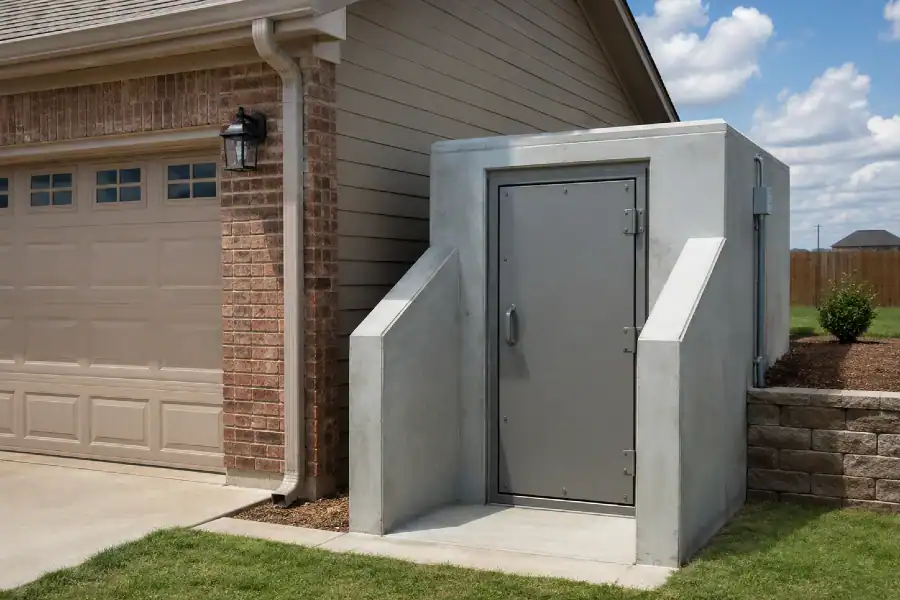
An above-ground storm shelter is a reinforced room that remains at or above ground level. These safe rooms may be built from engineered steel, reinforced concrete, or other approved systems designed to withstand strong winds and debris impact.
Unlike underground shelters, there is no need to descend below ground. That can make an above-ground shelter a good fit for homeowners with accessibility needs or mobility issues. Easy access is one of the biggest practical advantages.
Above-ground safe rooms may also make sense where high water tables, drainage concerns, or soil conditions make excavation less attractive. Less digging may also mean faster installation, depending on the site.
Our above-ground options can be installed on a suitable existing slab or with a new slab when needed. OKC Shelters offers steel safe rooms and reinforced concrete options, along with underground and garage shelters.
Are Above-Ground Shelters Safe in a Tornado?
Yes, when the system is properly engineered and correctly installed.
The ground vs. underground debate is often oversimplified. A tornado can produce strong winds and dangerous debris, so an above-ground system needs walls, doors, connections, and anchoring capable of handling those forces.
Research in Texas Tech wind science has played an important role in understanding how storm shelters should withstand windborne debris. Its guidance emphasizes debris-resistant walls for shelters that are partially or completely above ground and debris-resistant doors for below-ground shelters.
If a shelter is described as FEMA-compliant, look for documentation showing which FEMA P-361 criteria it is designed to meet. Testing and engineering claims should also be independently verified where appropriate, since FEMA itself does not certify or approve commercial storm shelter products.
Installation: Above-Ground and Underground Options
The installation process varies between shelter types. Underground models require excavation. For a garage installation, that may include cutting the slab, removing soil, setting the shelter, and restoring the surrounding area. Outdoor underground shelters also need a suitable yard location and careful attention to drainage.
Above-ground units depend on a suitable foundation and must be properly anchored. They can also take up visible garage or outdoor space, which may matter on a smaller property.
That is why we look at the layout, utilities, soil, access, and available space before recommending where a shelter should go. We install concrete shelters, garage shelters, safe rooms, and custom solutions for Oklahoma homeowners.
Which Type Offers Better Protection?
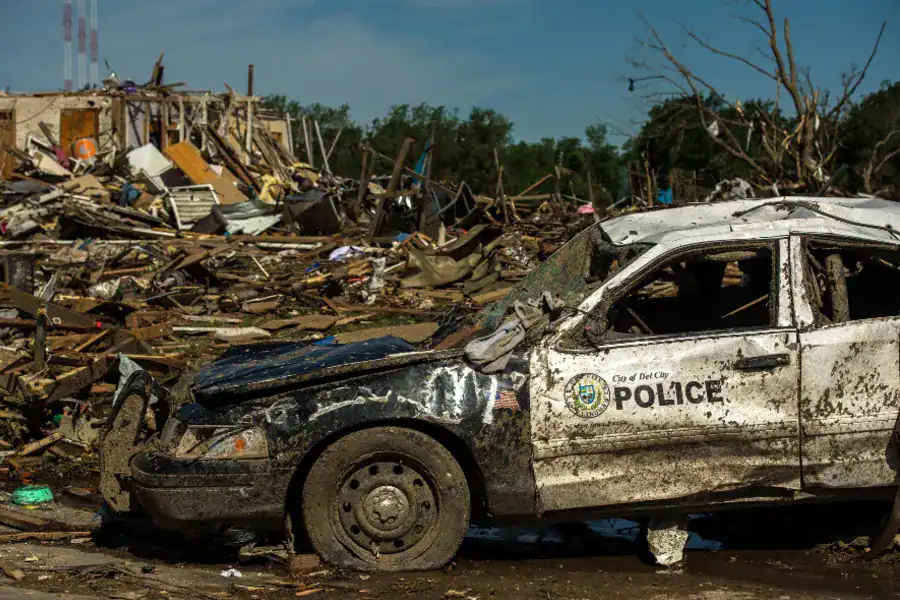
Above-ground storm shelters and their underground counterparts can both offer excellent protection when properly designed. Underground shelters gain natural shielding from the surrounding earth, while above-ground storm shelters often provide easier entry.
So, which offers better protection? The better choice is the one that meets appropriate safety requirements and can be reached quickly by everyone in the household. For one family, that may be an underground garage shelter. For another, accessibility may make an above-ground design the safer practical choice.
Flooding, space, personal preferences, budget, and installation conditions can all change the answer. That is why comparing above-ground and underground designs should be about more than deciding which one looks stronger.
How to Choose the Right Storm Shelter
Start with your family. Can everyone use stairs? Does anyone need a walker or wheelchair? How quickly can you reach the shelter from inside your home? Does the property have standing water after heavy rains? How much space can you give up in the garage or yard?
Then consider your budget and the installation requirements. Costs can change based on size, excavation, slab work, site preparation, and shelter design.
At OKC Shelters, we help homeowners work through these questions before choosing the right storm shelter type. Our goal is simple: to help you find dependable safety and security that fit your home, rather than forcing your home to fit the shelter.
Frequently Asked Questions
Are Above-Ground Storm Shelters as Safe as Underground Storm Shelters?
They can be. FEMA says an above-ground safe room meeting FEMA P-361 requirements can be just as safe as a below-ground or in-ground safe room. FEMA P-361 and ICC 500 provide important design and construction criteria for storm shelter safety. FEMA-funded residential safe rooms are designed for tornado wind speeds of 250 mph, along with protection from windborne debris. Proper engineering and installation are still key factors.
Do Underground Shelters Provide Better Protection From Flying Debris?
Being underground naturally limits direct exposure, but the entire shelter system still matters. Above-ground storm shelters designed and tested for tornado debris can also provide strong protection. Texas Tech emphasizes debris resistance for shelter components regardless of whether the shelter is above or below ground.
Are Underground Shelters Good for Elderly Homeowners?
They can be, but stairs and entry design deserve careful thought. If accessibility is a concern, an above-ground shelter may be generally easier to enter during a storm. Ground-level access can be especially helpful for elderly family members and people with mobility issues.
Can a Storm Shelter Be Installed in My Garage?
Yes. OKC Shelters offers in-garage underground shelters as well as above-ground safe rooms. Many installations can be completed within a few hours, although timing depends on the shelter type, site conditions, and any preparation needed. OKC Shelters currently notes that many above-ground and in-ground installations take around two to three hours. Local building permits may also be required, so homeowners should check the requirements for their city before installation.
The best option ultimately depends on the slab, layout, available space, access, and other property conditions.
Protect Your Family With the Right Shelter
Choosing between underground vs. above-ground storm shelters is not about following a trend. It is about finding a practical place your family can reach when a storm arrives.
Both designs have advantages and potential drawbacks. What matters most is dependable access, proper engineering, professional installation, and a shelter suited to your property.
At OKC Shelters, we install underground concrete storm shelters, garage shelters, above-ground safe rooms, and custom shelter solutions across Oklahoma. Just reach us at (405) 896-808, and we can help you compare the differences between your options and choose protection that makes sense for your home and family.