If you have spent any time researching tornado protection for your Oklahoma home, you have probably run into two terms that get used almost interchangeably: storm shelter and safe room. At OKC Shelters, this is one of the most common questions our team hears from homeowners across Tornado Alley, and it is an important one to get right. The type of shelter you choose affects everything from installation costs to accessibility during an emergency, so understanding the difference between a storm shelter and a safe room helps you make the best decision for your family and your property.
In this guide, we will break down what separates a storm shelter from a safe room, how each type performs during severe weather events, what standards they are held to, and which option might be the better fit for your home.
What Is a Storm Shelter?
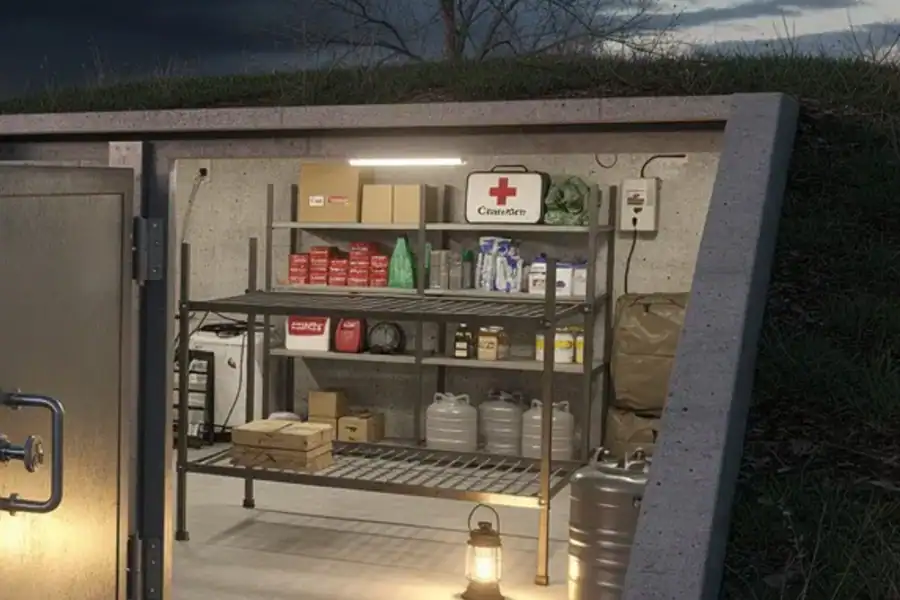
A storm shelter is a broad category that covers several types of protective structures, including underground shelters, above-ground units, and in-ground shelters built into a garage floor or backyard. Storm shelters are designed with one primary purpose: keeping you and your family protected when a tornado warning is issued.
Types of Storm Shelters, Including Underground Storm Shelter Options
Storm shelters generally fall into a few categories:
- Underground storm shelters are installed below ground level, either in the yard or beneath a garage floor. A typical underground storm shelter is also commonly used as a tornado shelter, with the surrounding soil adding protection against high winds and flying debris.
- Above-ground shelters sit at ground level or are anchored to an existing concrete slab, offering easy access without digging.
- Community shelters are larger, shared structures meant to protect groups of people rather than a single household.
How Storm Shelters Work
Whether it is an in-ground storm shelter or an above-ground unit, each type offers protection from tornado threats, with the same goal of giving occupants a hardened structure that can withstand extreme winds and heavy debris despite different designs. In-ground shelters provide natural insulation from severe weather because they sit below the frost line and are surrounded by soil conditions that absorb impact. Above-ground options rely on reinforced concrete or steel construction to deliver strong protection without excavation.
What Is a Safe Room?
Unlike storm shelters, which can be underground or above ground, a safe room is a specific term defined by FEMA. A safe room is a hardened room that meets FEMA P-320 performance standards for tornado protection, and it is always installed above ground, typically integrated into an existing structure such as a garage, closet, or interior room of the home.
According to current knowledge from FEMA and Texas Tech University wind engineering research, a properly installed safe room built to these standards offers near absolute protection, meaning near absolute protection means a very high probability of survival even during the most violent tornadoes.
Types of Safe Rooms
Most residential safe rooms fall into a few categories:
- Above-ground safe rooms installed inside the home or garage, where safe rooms offer more placement flexibility than in-ground options
- Interior safe rooms built into a closet, bathroom, or utility room
- Standalone above-ground units anchored to a concrete slab
How Safe Rooms Work
A ground safe room, despite the name, does not mean underground. Safe rooms use reinforced concrete walls, reinforced doors, and heavy-duty anchoring systems to keep occupants safe. FEMA P-320 requires that safe rooms withstand EF5 tornado winds exceeding 200 mph, and above-ground safe rooms must also pass debris impact testing at 100 mph to simulate flying debris during a tornado. This level of engineering gives safe rooms a high probability of protecting everyone inside, even during the most extreme winds Oklahoma can produce.
Key Differences Between Storm Shelter and Safe Room

Now that we have covered the basics, let’s look at how storm shelters and safe rooms compare side by side.
Location and Installation
The biggest distinction comes down to location. Storm shelters can be above ground or underground, while a true FEMA-compliant safe room is always above ground and built into or attached to an existing structure; an above-ground shelter is often preferred when homeowners want quicker entry from inside the house or garage. Underground shelters are typically installed by excavating a section of yard, while above-ground safe rooms are anchored directly to a garage floor or existing concrete slab, which usually means a faster, cleaner installation.
Safety Standards, Tornado Protection, and Certification
Not every shelter on the market is built to the same standard, which is why certification matters. The International Code Council (ICC 500) sets construction requirements for storm shelters, while FEMA P-320 and FEMA P-361 set the performance standards specifically for safe rooms. Both storm shelters and safe rooms can meet FEMA P-320 standards for safety, but homeowners should always confirm what standard a shelter is actually built to rather than relying on marketing claims alone. Before buying, any tornado shelter should be verified against ICC 500 or applicable FEMA criteria. At OKC Shelters, we build every unit to meet or exceed these standards, and we are proud NSSA members who take these guidelines seriously.
Accessibility and Everyday Convenience
Accessibility during emergencies is one of the most important factors when choosing between storm shelters and safe rooms. Underground and in-ground storm shelters may have accessibility challenges due to required ladder or stair access, which can be difficult for anyone with limited mobility, young children, or elderly family members. Above-ground safe rooms solve this problem by offering easy access at ground level, without stairs or a hatch to climb through, which is why many families with accessibility needs prefer them for taking shelter quickly. During tornado warnings, residents are encouraged to shelter at home rather than try to drive to a public or community shelter.
Cost Comparison
Installation costs vary depending on the type of shelter, soil conditions, and whether you are working with an existing concrete slab or starting fresh. In general, above-ground safe rooms are often less expensive to install because they skip the excavation process entirely. Underground and below-ground shelters can cost more due to labor, especially in rocky or clay-heavy soil, and installation costs can add 10 to 20 percent to the total project when ground conditions are difficult to work with. Heavy rain and flooding can also increase design requirements or costs for below-ground units if drainage is not handled properly. An underground tornado shelter is more prone to water issues without proper drainage than an above-ground option.
Best Use Cases
Ground storm shelters and underground tornado shelters tend to work best for homeowners focused on maximum protection from strong winds and who have the yard space to accommodate excavation. An above-ground shelter or safe room may be the better fit when accessibility and everyday convenience matter more, and some homeowners see these layouts as better protection for family members who cannot manage stairs quickly.
Which Is Better for Your Home?

There is no single answer that fits every homeowner, which is why our team at OKC Shelters walks through your property, your soil conditions, and your family’s needs before recommending a specific model.
Choose a storm shelter if you have available yard space, want the option of an in-ground or underground unit, and are comfortable with a short flight of stairs during an emergency.
Choose a safe room if accessibility is a priority, you want a shelter built into your garage or existing structure, or you like the idea of a space that can double for other uses, such as secure storage for valuables or even a safe space during break-ins and home invasions.
Storm Shelter vs Safe Room Cost Breakdown
Cost is often the deciding factor for many Oklahoma families, so let’s look at what actually drives the price.
What Affects the Price
Materials, size, soil conditions, and whether excavation is required all play a role. Below-ground shelters generally cost more upfront due to labor and site preparation, while above-ground units installed on an existing concrete slab typically take about a single day to install, keeping labor costs lower.
The good news is that safety does not have to come at a premium price. FEMA grants cover up to 75 percent of eligible shelter costs in many cases, with residential grants typically ranging from $2,500 to $4,000. Our team can walk you through available rebate programs and financing options so that protecting your family fits your budget.
Long-Term Value
Beyond the immediate protection they offer, storm shelters and safe rooms can also increase resale value in tornado-prone areas like Oklahoma. Many homebuyers specifically look for homes with an existing shelter already in place, and homeowners with FEMA-compliant units may also qualify for insurance discounts. This makes a safe room, or storm shelter, a long-term durability investment that pays off in more ways than one.
FEMA, ICC, and Building Code Standards
Understanding the standards behind a shelter matters just as much as the shelter itself. The International Code Council developed ICC 500 to define construction requirements for storm shelters, while FEMA P-320 and FEMA P-361 outline what it takes for a structure to officially qualify as a safe room capable of near-absolute protection. A building permit is required in Oklahoma City for both above-ground and underground storm shelters, and OKC Shelters handles that process for you so nothing falls through the cracks.
Protect Your Home With the Right Storm Shelter
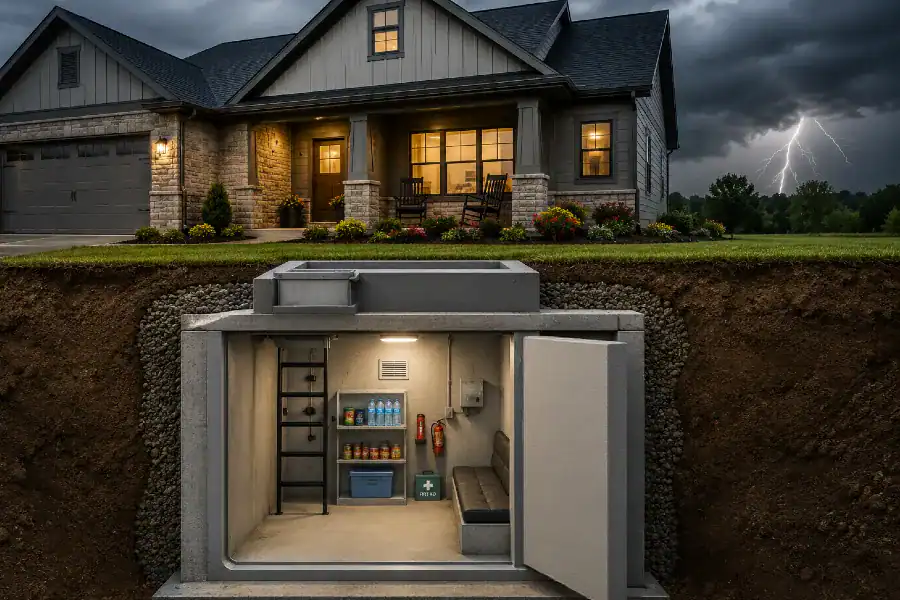
Whether you choose an underground shelter for maximum protection or an above-ground safe room for easy access and flexibility, the most important step is having a properly installed, code-compliant shelter in place before severe weather threatens your home. At OKC Shelters, we help Oklahoma families weigh every option, from ground storm shelters to above-ground safe rooms, so you can make a confident decision backed by more than 20 years of experience protecting Oklahoma communities.
Ready to find your best fit? Reach out to our team today and let us help you get storm-ready.