Oklahoma experiences some of the highest tornado activity in the country. When storms form quickly and warning times are short, having a reliable tornado shelter isn’t just a bonus — it’s one of the most important steps you can take to protect your home and family.
Storm shelters don’t just protect individual households; they also protect community. When more families have safe shelter in place, it also helps reduce strain on first responders during widespread severe weather events.
Two of the most common options for Oklahoma homeowners are in-ground vs. above-ground storm shelters. Both can save lives when properly built and installed, but each has advantages that make it a better fit for certain homes, layouts and family needs.
Related Article: Retrofitting Guide: Adding Storm Shelter to Existing Home Projects
This guide breaks down the real-world pros and cons of in-ground vs above-ground storm shelters to help you make an informed decision.
What This Guide Covers & Why It Matters
Storm shelters are designed to protect occupants from extreme winds, flying debris and structural failure during tornadoes. In Oklahoma — where EF3, EF4 and even EF5 tornadoes are a reality — choosing the right type of shelter matters.
This guide focuses on:
- Types of storm shelters
- Tornado safety performance
- Accessibility and entry
- Installation requirements
- Long term durability and maintenance
- Cost for Oklahoma homes
Whether you’re building a new home or adding protection to an existing one, understanding these differences ensures your shelter works when you need it most. It’s also important to consider the best location and shelter type for your specific home layout and family needs.
What Is an In-Ground Storm Shelter?
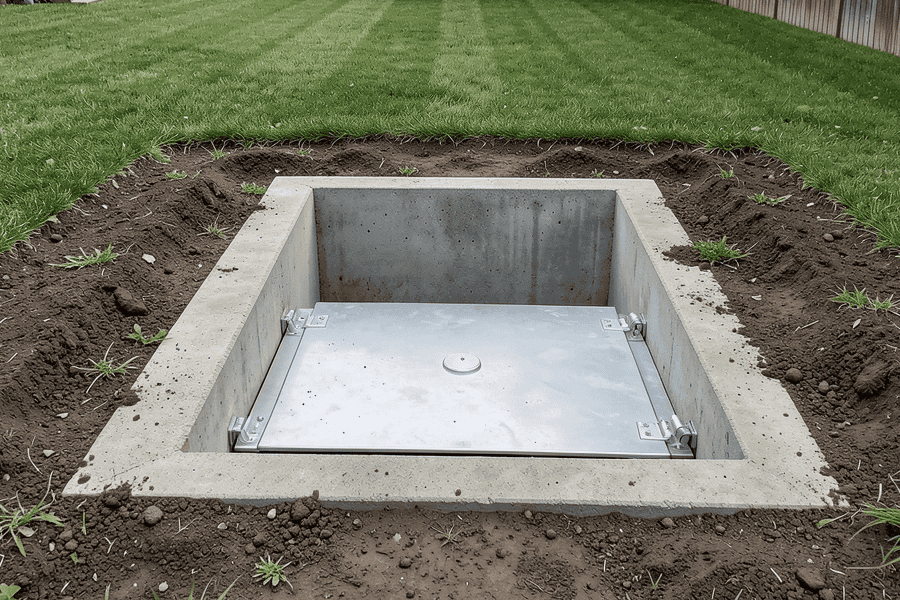
An in-ground storm shelter, or also known as an underground storm shelter or below-ground shelter, is installed below ground level, most commonly structured beneath a garage floor or in a backyard. These shelters are designed to be secure during even the most powerful tornadoes. Many homeowners compare it to a basement, but with purpose-built storm protection and reinforced construction.
They are built from reinforced steel or concrete and engineered to meet current FEMA and ICC-500 safety standards. Many are manufactured and installed locally in Oklahoma homes, built specifically for the state’s soil conditions and severe weather.
Because they’re below ground, these shelters benefit from natural protection from high winds and flying debris. The shelter lid is set into a concrete opening, creating a secure, flush fit with an overlapping edge for added strength and stability. Installing one costs more upfront than an above-ground safe room due to excavation and concrete work.
Pros of In-Ground Storm Shelters
These underground shelters have been a popular choice in Oklahoma for years because of their proven performance during severe weather.
Key benefits include:
- Excellent wind resistance due to below-ground placement
- Strong protection from flying debris
- Cooler, more stable interior temperatures year-round
- Long history in high-risk tornado zones
- Built to national safety standards
For homeowners who want maximum storm protection and a low-profile installation, in-ground shelters are a trusted option.
Cons of In-Ground Storm Shelters
While better protection can be guaranteed, in-ground shelters aren’t the best fit for every household.
Consider:
- Flooding risk if drainage isn’t designed or maintained properly
- Stairs or ladders and a concrete slab floor, which can be tough for elderly users or those with mobility issues
- Higher installation costs due to excavation and concrete work
- Longer installation timelines
Maintenance is important, especially checking drainage systems, seals and door hardware. While these shelters are designed to withstand extreme weather, poor drainage or neglected maintenance can lead to water issues over time.
What Is an Above-Ground Storm Shelter?
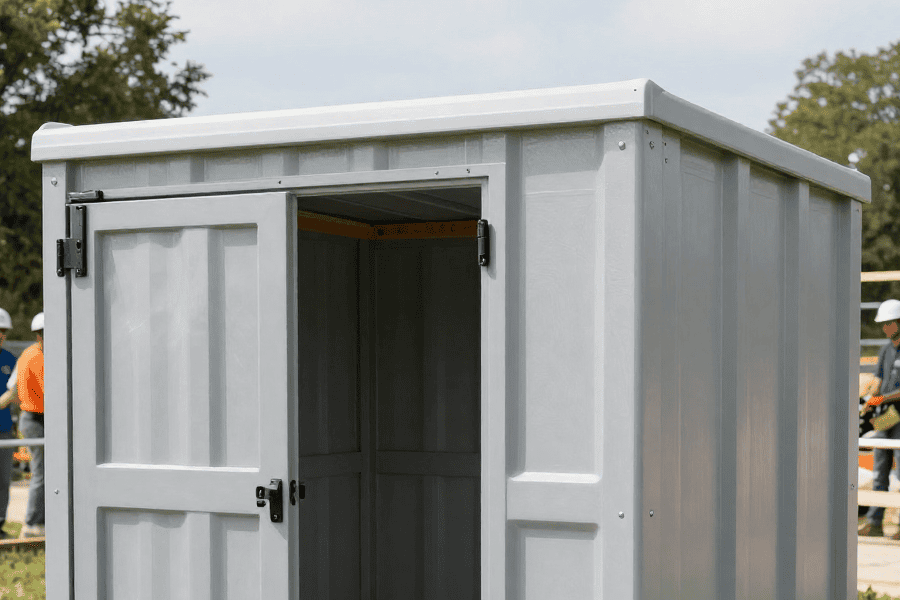
An above-ground storm shelter, also known as a tornado safe room, is a shelter built inside a house or garage or as a standalone unit anchored to a concrete slab.
They’re designed for quick, ground-level entry and are often chosen for convenience and accessibility. Many families like having the shelter inside the home especially when storms move in fast.
Modern above-ground shelters used in Oklahoma are built from reinforced steel and meet FEMA and ICC-500 requirements. When installed properly, they’re designed to withstand extreme winds and debris impacts during violent tornadoes.
Pros of Above-Ground Storm Shelters
Above-ground shelters are chosen because they’re easy to get in and out of in high-stress situations.
Benefits:
- Quick ground-level entry with no stairs or ladders
- Easier access for children, seniors and those with mobility issues
- Meets FEMA residential safety guidelines
- Faster installation in many existing homes
- Anchored to the floor or foundation so they can withstand high winds and won’t flood.
- Convenient entry during fast-moving storm events or emergencies
For many Oklahoma families, accessibility is the deciding factor.
Cons of Above-Ground Storm Shelters
Above-ground shelters also come with trade-offs.
Cons:
- Takes up usable space in a garage or interior room
- More visible than in-ground options
- Costs vary depending on size, features and anchoring requirements
On the plus side, above-ground shelters don’t flood and are fully accessible during heavy rain. Some models also offer exterior finish options to match the surrounding space.
As with any storm shelter, proper installation is key. Anchoring strength plays a big role in how the shelter performs during a tornado.
Side-by-Side Comparison: In-Ground vs Above-Ground Storm Shelters
Both types of storm shelters an provide excellent protection when built and installed correctly. The right choice often comes down to how the shelter fits your home, layout, and daily needs.
| Feature | In-Ground Shelter | Above-Ground Shelter |
|---|---|---|
| Safety Performance | Excellent protection due to below-ground placement and reduced exposure to wind and debris | Excellent protection when built to FEMA and ICC-500 standards and properly anchored |
| Tornado Rating | Designed to withstand extreme tornado forces, including EF4–EF5 events | Designed to withstand extreme tornado forces, including EF4–EF5 events |
| Accessibility | Requires stairs or ladder; poses mobility challenges for elderly or mobility-limited users | Ground-level entry; easier access for all household members |
| Installation Location | Below garage floor or in yard | Inside garage, interior room, or standalone slab-mounted unit |
| Installation Time | Typically longer due to excavation and concrete work (usually 2-3 hours total for most installations) | Faster installation in most existing homes (typically 2-3 hours total) |
| Cost Range | Typically higher due to excavation and site preparation | Varies by size and features; often less expensive to install than in-ground options due to reduced excavation needs |
| Flooding Risk | Possible without proper drainage design | No flooding risk |
| Temperature Comfort | Naturally temperature-stable year-round | May require ventilation considerations |
| Space Impact | Hidden underground; no visible space usage | Takes up visible garage or interior space |
| Maintenance Needs | Drainage, door seals, and hinge inspections | Anchor bolts, door operation, and ventilation checks |
| Anchoring | Does not have any | Secured with 6-8 metal anchors extending 3 feet into the ground |
| Best For | Homeowners prioritizing maximum storm protection and concealed installation | Homeowners needing quick access and easier entry during severe weather |
Certification and Standards for Storm Shelters in Oklahoma
In Oklahoma, certification and industry standards are a critical part of storm shelter safety. A properly rated shelter gives homeowners confidence that it can perform as intended, providing near absolute protection during extreme tornado conditions.
In Tornado Alley, storm shelters must be designed and built to withstand the most extreme conditions, including EF5 tornadoes. That’s why the Federal Emergency Management Agency (FEMA) sets strict guidelines for the construction and installation of both in-ground and above ground storm shelters.
FEMA-rated storm shelters are typically constructed from reinforced steel or concrete and engineered to withstand extreme winds and flying debris generated by tornadoes.
Choosing a storm shelter can feel overwhelming, especially with so many standards and options to consider. That’s where working with experienced professionals makes a difference — helping ensure your shelter meets the highest degree of safety or exceeds FEMA and industry requirements from start to finish.
Our team knows the unique challenges of Oklahoma weather and can definitely recommend the best solution for your location, whether that’s an above ground safe room or an underground unit.
Storm shelters have become increasingly common across Oklahoma as more homeowners prepare ahead of tornado season and invest in long-term safety.
No matter which type you choose, the most important factor is selecting a shelter that has been properly tested, meets current safety standards, and is installed by qualified professionals.
Installation Costs and Factors in Oklahoma

Storm shelter costs in Oklahoma vary by shelter type, size and installation conditions.
- In-ground shelters cost more due to excavation and concrete work\
- Above-ground shelters install faster and with less disruption
Soil or dirt conditions, garage layout and local codes all impact final pricing and timelines. Many providers offer clear pricing and financing options so you can plan ahead.
Tip: When choosing a shelter, consider sizing up slightly to accommodate guests, visiting family or neighbors during severe weather.
Remember: Check with your local building department for permit requirements before scheduling your storm shelter installation. In Oklahoma City, permits are required for both types of shelters with recent permit costs averaging $99.50 for in-ground and $104.50 for above-ground safe rooms. Permit requirements and fees vary by city so always check locally before installation.
Safety and Performance During Oklahoma Tornadoes
Both types of shelters are designed to protect occupants during extreme tornado events including EF4 and EF5 storms when built to current standards.
Performance depends on:
- Professional installation
- Proper anchoring or structural reinforcement
- Ongoing maintenance, both can last decades with proper care
- Regular inspections of doors, seals, anchors and drainage systems are recommended.
A certified shelter installed by professionals will provide peace of mind regardless of whether it’s in-ground or above-ground.
Conclusion & Next Steps

Both in-ground and above-ground storm shelters offer tornado protection for Oklahoma homeowners when installed correctly. The choice comes down to accessibility, budget and how the shelter fits your home and family. In the end, peace of mind comes from knowing you’ve chosen a reliable, certified storm shelter that will keep your family safe when it matters most.
That’s why many Oklahoma homeowners work with OKC Shelters for straightforward guidance, transparent pricing, and dependable installation.
We pride ourselves in our service and strive to make every customer happy by providing honest advice, answering your questions, transparent pricing, and reliable installation. Your family’s safety and satisfaction is our company’s business.
Get a free quote today to see options designed for Oklahoma homes and conditions or contact us directly at (405) 896-8080 or sales@okcshelters.net