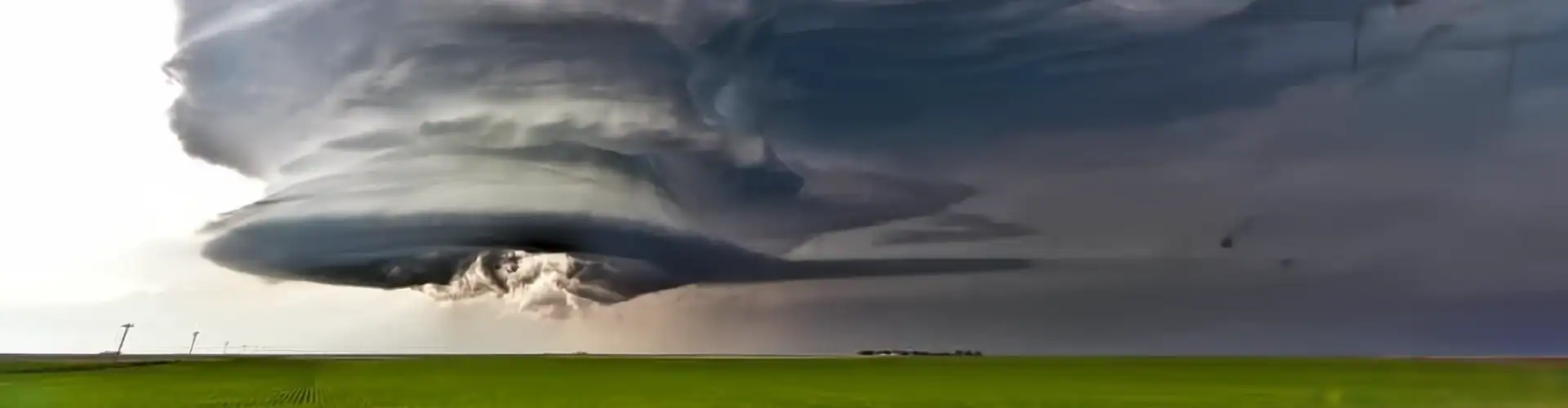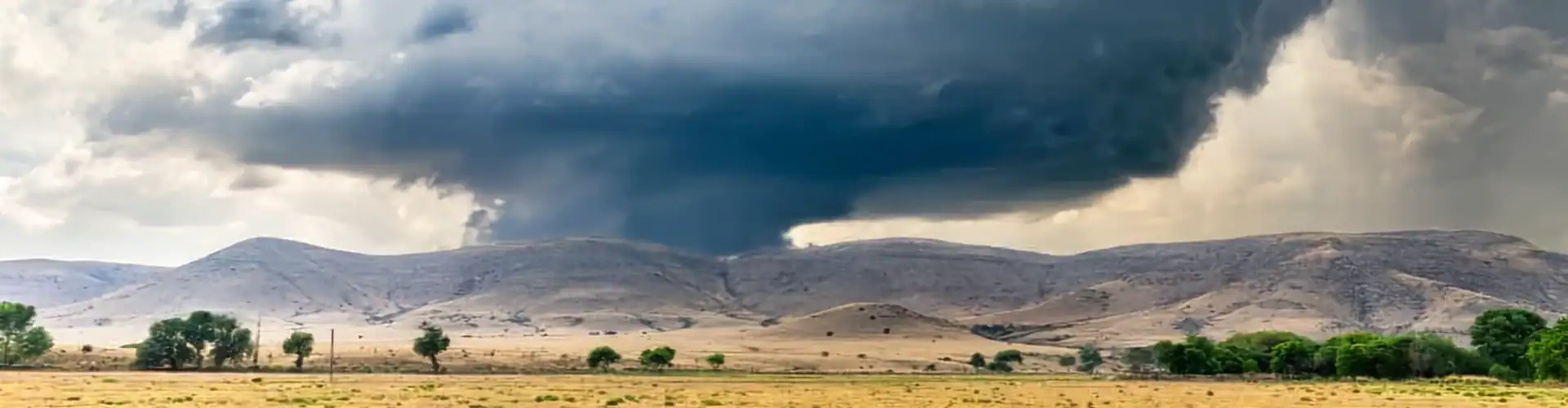
In Oklahoma, storm season is not something you casually ignore. When the sirens go off, and the sky turns that familiar shade of green, having the right kind of protection matters more than ever. But not all shelters are built for the same purpose, and understanding those differences can directly impact your family’s safety.
If you’ve been weighing the difference between an underground bunker vs storm shelter, key differences, you’re not alone. Homeowners across Oklahoma City and throughout the state are asking the same question: What do I actually need to stay safe?
In this guide, we break down the key differences, who each option is best suited for, and how to decide on the right shelter for your property, budget, and everyday life. OKC Shelters helps residents across Oklahoma find dependable protection built for real Oklahoma storms, not guesswork.
Understanding Storm Shelter Basics in Oklahoma
Preparation is part of everyday life in Oklahoma. Living in Tornado Alley means severe weather can occur quickly and without much warning. From high winds to flying debris, these natural disasters demand a level of readiness that goes beyond standard home construction.
A storm shelter is a reinforced structure, made of steel or concrete, designed to protect your family during extreme weather. Tested to withstand tornado forces, it provides a secure space until conditions improve. Properly installed, it is a vital safety feature that offers homeowners peace of mind during severe weather.
How Oklahoma City and Other Regions Experience Severe Weather Differently
Oklahoma has diverse terrain, and weather patterns vary across the state. This directly affects what type of shelter is best suited for each location.
Central Oklahoma: High Tornado Activity and Fast-Moving Storms
Oklahoma City sits in one of the most active tornado regions in the country. Storms develop rapidly, and accessibility becomes the most important factor. Many homeowners choose a garage-installed unit or a shelter in their yard to reduce the distance they need to walk during a storm.
Rural Oklahoma: Space for Larger Tornado Shelter Installations
In the country, homeowners often have more space and flexibility. This allows for larger underground shelters or even bunker-style builds. Because emergency response times may be longer, these shelters may include additional supplies and planning for extended use.
Eastern Oklahoma: Rain, Flooding, and Soil Considerations
Eastern Oklahoma sees more rainfall and shifting ground conditions. Installing underground storm shelters here requires careful planning, especially when considering drainage and soil expansion. In many cases, above-ground safe rooms provide a more practical solution.
Western Oklahoma: Wind Exposure and Open Land Risks
Western Oklahoma has fewer natural barriers, allowing wind to travel at higher speeds across open land. An underground tornado shelter is often preferred in these areas for full protection, away from debris and direct wind exposure.
What Is a Storm Shelter and How Does It Work?

A storm shelter is engineered specifically to protect against extreme weather. Its primary function is to keep occupants safe from flying debris, which is one of the leading causes of injury during a tornado.
Unlike a basement or interior room, a storm shelter is built to handle pressure changes, structural stress, and direct impact. These shelters are tested to meet or exceed FEMA standards, meaning they are designed to perform under the most severe conditions.
Key Features That Make a Shelter Effective
An effective shelter includes a reinforced door, proper ventilation, and materials strong enough to withstand impact. Steel and concrete are commonly used because of their strength and durability.
Accessibility is just as important as strength. If a shelter is too far from your house or difficult to reach, it may not be used when it matters most. A well-placed shelter, whether in a garage or backyard, improves response time and overall safety.
Tornado Shelter vs Storm Shelter: Is There a Difference?
The terms tornado shelter and storm shelter are often used interchangeably, but there is a subtle distinction.
A storm shelter refers to any structure built for weather-related protection. A tornado shelter, however, is specifically designed to withstand the most extreme tornado forces, including EF5 conditions.
When a Tornado Shelter Makes the Most Sense
In high-risk areas like Oklahoma City, investing in a tornado-rated shelter is often the best shelter choice. These units are designed to protect against the strongest storms and provide peace of mind when severe weather occurs.
For homeowners who want reliable protection without overcomplicating their setup, a tornado shelter offers a practical and effective solution.
Underground Bunker vs Storm Shelter: Core Differences
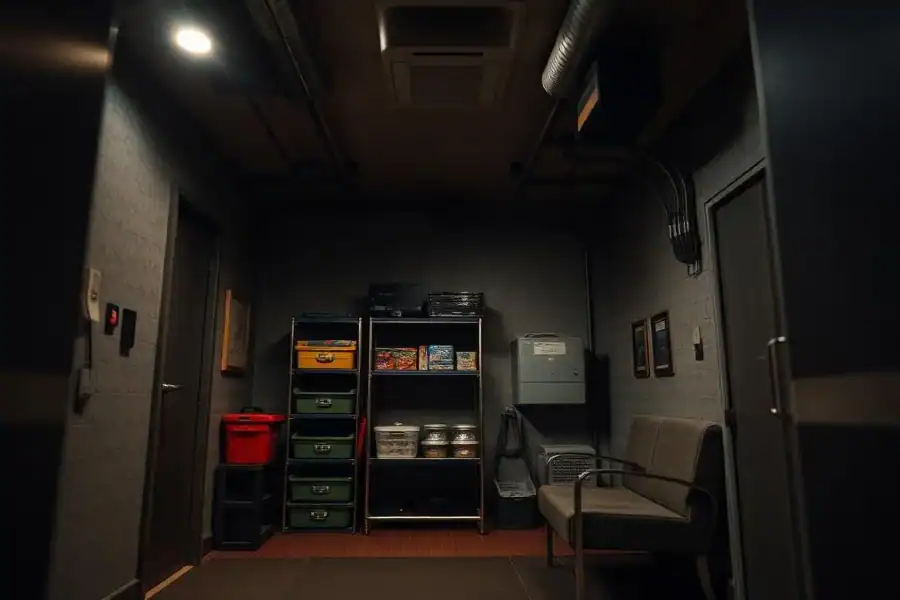
While both options provide protection, they are built for very different purposes.
Emergency Protection vs Long-Term Living Space
A storm shelter is intended for short-term use during a storm. Most stays last under an hour. An underground bunker, on the other hand, is designed for long-term survival and may include living areas, ventilation systems, and storage.
Some homeowners consider a bomb shelter or bunker when planning for broader emergency scenarios beyond weather events. However, for most Oklahoma residents, a storm shelter provides all the necessary protection.
When an Underground Bunker Might Be Necessary
A bunker may be worth considering if you are planning for extended disruptions or multiple types of emergencies. These situations are less common, but some homeowners choose this route based on personal preference or long-term planning goals.
Size, Layout, and Construction Differences
Storm shelters are compact and efficient, typically designed to maximize space while keeping installation simple. Bunkers require more space, deeper excavation, and additional systems to support long-term use.
Installation Locations and Property Impact
A storm shelter can be installed in a garage, yard, or beneath a structure with minimal disruption. A bunker installation is more complex and can significantly impact your property layout, especially in backyards where excavation is required.
Comparing Shelters and Safe Rooms
As technology and design improve, more homeowners are considering shelters and safe rooms as part of their safety plan.
What Are Safe Rooms and How Do They Work?
Safe rooms are reinforced spaces built inside a house or garage. They are anchored to a concrete floor and constructed to remain intact even if the surrounding structure fails.
These rooms provide immediate access and eliminate the need to step outside during severe weather.
Shelters and Safe Rooms: Key Differences Homeowners Should Know
The main difference is accessibility. Safe rooms allow you to stay inside your home, while underground shelters require you to move outside.
Both options provide excellent protection when built to meet FEMA guidelines. Choosing between them often depends on mobility, location, and personal preference.
FEMA Guidelines and Why They Matter

The Federal Emergency Management Agency sets the standard for storm shelter construction. While FEMA does not certify individual products, its guidelines outline how shelters should perform under extreme conditions.
Understanding FEMA Standards for Storm Protection
FEMA standards define how a shelter must withstand wind speeds, debris impact, and structural stress. These guidelines are used by manufacturers and contractors to design shelters that can protect occupants during the most severe storms.
Why Many Shelters Exceed FEMA Standards
High-quality shelters often exceed FEMA standards to provide an added layer of protection. This may include thicker steel, reinforced concrete, and additional locking mechanisms on doors.
Choosing a shelter that goes beyond minimum requirements adds confidence and long-term reliability.
Choosing the Right Shelter for Your Property
Selecting the right shelter involves more than just picking a product. It requires careful planning based on your home, location, and family needs.
Factors That Influence the Right Shelter Choice
- Family size and required space
- Accessibility and distance from the house
- Budget and available financing options
- Property layout and installation requirements
- Local weather patterns and risk level
Rebate programs and financing options can make installation more manageable, allowing more homeowners to invest in protection.
Matching Shelter Types to Different Oklahoma Homes
For smaller properties in Oklahoma City, a garage-installed unit is often the best option. It saves space and provides quick access.
For larger properties in the country, underground storm shelters installed in the yard may be more practical. The right shelter depends on your specific situation and how you plan to use it.
Popular Shelters in Oklahoma
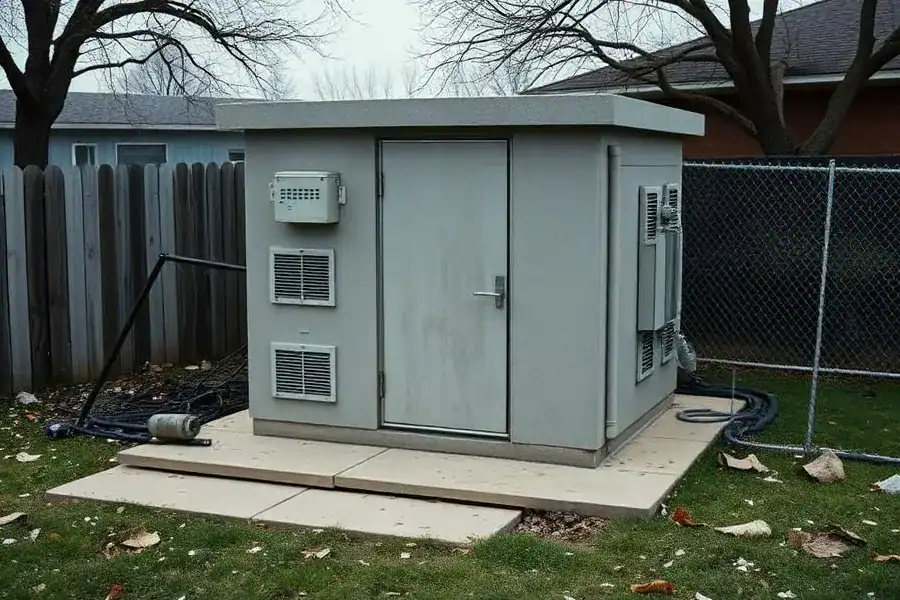
Shelters in Oklahoma have evolved to meet the needs of residents facing frequent storms.
What Homeowners Across Oklahoma Are Installing
Many homeowners are choosing steel safe rooms or garage-installed shelters for convenience and accessibility. These options fit seamlessly into everyday life and remain ready when needed.
Underground Storm Shelters vs Above-Ground Options
Underground storm shelters provide protection below the ground, away from direct wind and debris. Above-ground options offer easier access and reduce concerns about flooding or trapped exits.
Both options can protect your family when built with quality materials and installed correctly.
Making a Smart Investment in Storm Safety
Investing in a shelter is about more than just structure. It is about being prepared.
Why Preparation Matters Before the Next Storm Hits
Oklahoma storms can develop quickly, leaving little time to react. Having a plan in place means you know exactly where to go when conditions worsen.
Take the time to review your property, consider your budget, and decide what type of shelter fits your needs. Whether you choose a compact safe room or a larger underground option, the goal remains the same: protect your family and create a safer environment when severe weather strikes.