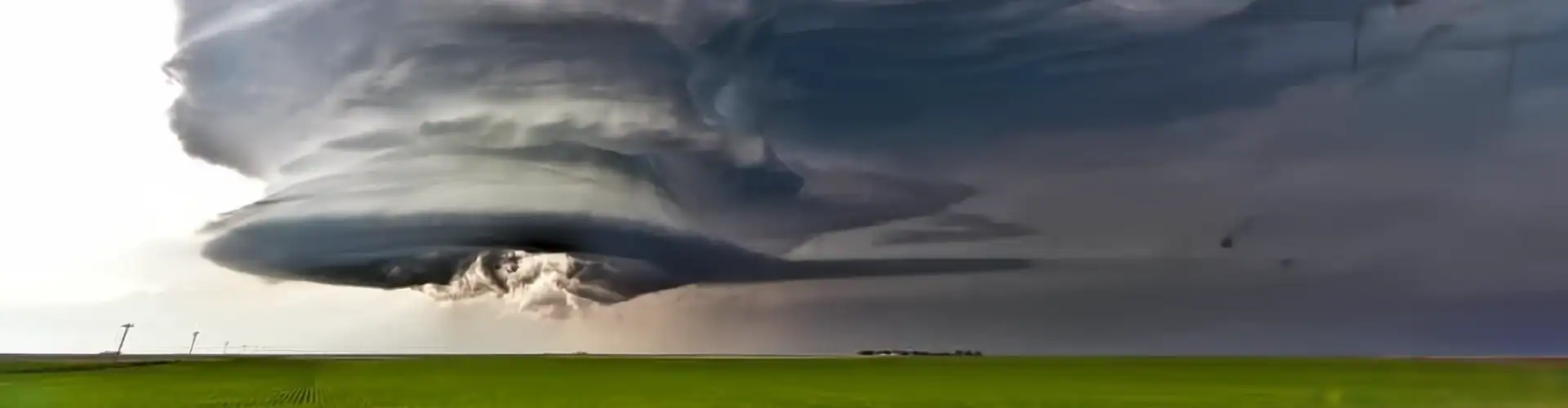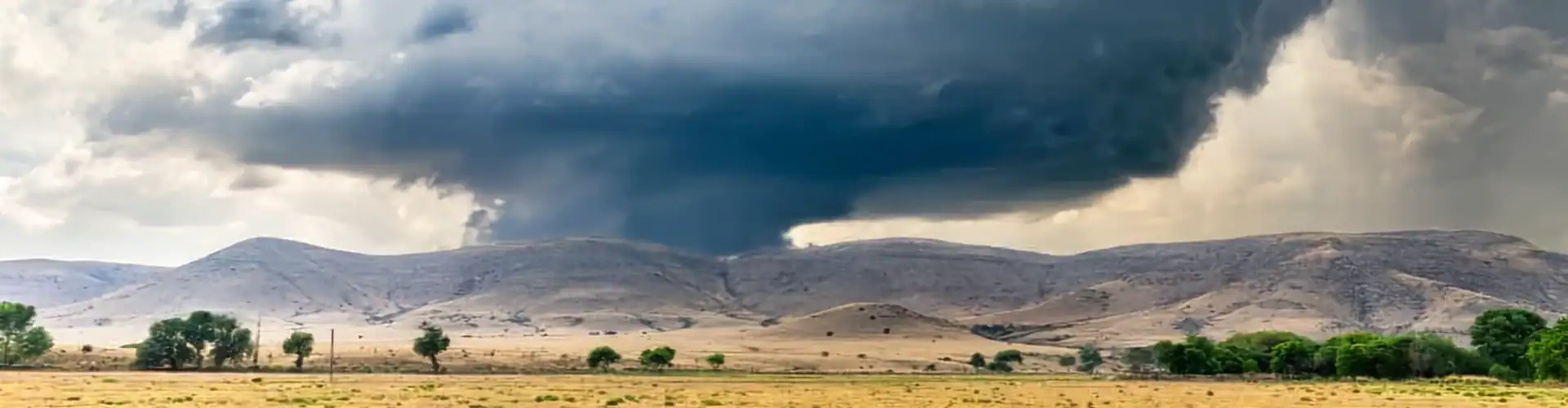
In tornado country, adding storm shelter to existing home projects isn’t just a nice upgrade — it’s real preparation. When warnings come with little time to react, having a safe place already in your house can make all the difference. The goal isn’t just to check a box — it’s to create a space your family can rely on when seconds matter and storms come with little warning. Whether you live in Oklahoma or any area prone to high winds and tornadoes, a properly planned retrofit can dramatically improve your family’s safety.
Today’s storm shelters can usually be added to an existing home without tearing the whole house apart. With the right design, materials, and professional installation, you can protect your family from flying debris, extreme winds, and severe tornadoes while maintaining the function and value of your property. The key is understanding your options and building it the right way the first time. In Oklahoma, where severe tornadoes are a fact of life, more homeowners are choosing to retrofit rather than wait for the next close call.
Related Article: FEMA Safe Room Requirements: Design, Standards, and Approval
Why Install a Storm Shelter or Safe Room
When disaster strikes, the difference between sheltering in place and having a purpose-built tornado shelter can be life-changing. Standard rooms in a house — even interior closets or bathrooms — are not engineered to withstand the pressure and impact forces produced by tornadoes. A properly built storm shelter or safe room system is specifically designed to provide near absolute protection.
Simply put, these shelters save lives. Tested ground safe rooms and above-ground safe rooms are built using impact resistant materials and reinforced concrete or steel panels capable of resisting flying debris traveling at extreme speeds.
Compliance also matters. FEMA guidance and ICC 500 standards set the benchmark for what qualifies as a true safe room. Homeowners should always verify that any storm shelter today meets these requirements. Beyond safety, installing a tornado shelter often increases property value and gives families something even more important — peace of mind when storm season arrives.
Storm shelters don’t have to be single-purpose spaces — they can be designed to serve multiple functions, maximizing both safety and utility. For instance, your shelter can double as a panic room, offering a secure retreat during emergencies beyond severe weather. Some homeowners choose to incorporate their shelter into a storage room or closet, making efficient use of space without sacrificing protection.
Choose Between Above-Ground Safe Rooms and Below-Ground Shelters
Early in the planning process, most homeowners need to decide whether to install above-ground safe rooms or below-ground shelters. Both work well — the right choice really comes down to your space, mobility needs, and the conditions around your home.
An above-ground tornado shelter is typically faster to install. Many systems arrive prefabricated and can be anchored directly to a concrete slab in a garage or interior room. For many homeowners who want minimal disruption and easy access during an emergency, this ends up being the best solution.
Below-ground shelters, on the other hand, offer excellent protection from debris because they sit beneath the surface. Underground shelter designs naturally shield occupants from the worst of flying debris and high winds. However, they require excavation and may be less convenient for family members with mobility concerns.
When weighing accessibility versus maximum protection, consider your household’s needs. Families with young children or elderly occupants often prefer above-ground safe rooms for quick entry, while others prioritize the added shielding of ground storm shelters.
Above-Ground Storm Shelter Options
Prefabricated above-ground safe rooms have become increasingly popular because of their reliability and relatively quick installation timeline. These units are typically constructed from heavy steel panels or reinforced concrete and are tested to meet ICC 500 and FEMA performance criteria.
In many homes, a garage storm shelter installation is preferred. A qualified contractor will evaluate the concrete slab to confirm it meets thickness and strength requirements. If the slab is insufficient, it may need reinforcement before the shelter can be anchored properly.
The installation process usually involves positioning the unit, securing it with engineered anchors, and installing a storm-rated door designed to resist extreme winds and debris impact. Wall assemblies and connection points must follow manufacturer specifications exactly — shortcuts here can compromise the entire structure.
One advantage homeowners appreciate is turnaround time. Many prefab installations can be completed in a single day once the site is ready, making above-ground options attractive for families who want protection in place quickly.
Below-Ground Storm Shelters Options
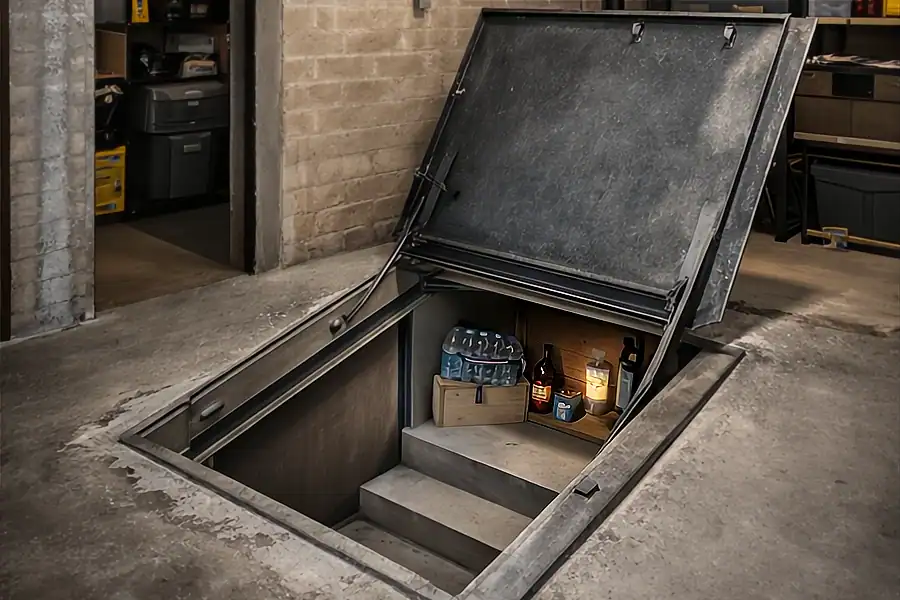
Ground storm shelters and below-ground shelters typically require more site preparation but offer excellent performance when properly installed. Homeowners can choose between fully buried one-piece units or basement-installed systems, depending on the layout of the house and property.
Excavation is the first major step. Contractors must ensure proper depth, stable soil conditions, and adequate drainage. Waterproofing is critical — without it, underground shelter systems can experience moisture problems over time.
Basement-installed below-ground shelters are another option for homes that already have below-grade space. These systems can be integrated into the basement floor and walls using reinforced concrete construction. However, homeowners must carefully evaluate flooding risks and ensure proper airflow through protected air vents.
The tradeoff is pretty straightforward — below-ground shelters often provide excellent debris protection, but they typically involve more complex construction and longer installation timelines.
Design, Permits, and Codes for Safe Rooms
Before any construction begins, homeowners should consult local building authorities regarding permits and code requirements. In many areas, safe room construction must comply with ICC 500 standards or FEMA-equivalent guidelines.
Engineered plans are essential for retrofit work. Because you’re modifying an existing structure, the design must account for the current foundation, walls, and floor system. Submitting stamped plans helps ensure the project meets structural and safety expectations.
It’s also wise to notify local emergency management once the shelter is complete. Some communities maintain voluntary registration programs so first responders know the location of ground safe installations in case of a major storm event.
Structural Retrofits and Construction Steps
Retrofitting a house for a storm shelter usually begins with clearing the selected space. Contractors remove finishes and measure the footprint carefully to ensure the unit fits within the available room while maintaining required clearances.
Next comes reinforcement. Depending on the design, walls and floor areas may need strengthening to support the shelter load. For above-ground installations, anchoring into a properly prepared concrete slab is critical. For underground shelter builds, the surrounding soil and foundation conditions must be verified.
The storm-rated door is one of the most important components. It must be installed square, anchored correctly, and tested for smooth operation. Throughout the construction process, inspections should be documented to confirm compliance with engineered plans.
Ventilation, Power, and Communication Devices
A storm shelter isn’t just about stopping wind — it also has to keep people safe and comfortable while the storm passes. Proper airflow is essential. Most designs incorporate protected air vents that allow fresh air while preventing debris intrusion.
Both passive and mechanical ventilation options may be used depending on the size of the safe room. In some cases, backup power systems are recommended to support lighting or ventilation equipment. Battery or solar backup can be especially helpful during extended outages.
Communication devices are another critical consideration. A weather radio, charged mobile phones, and backup charging capability should all be part of your shelter plan. When severe tornadoes strike, maintaining contact with emergency services can be just as important as physical protection.
Access Considerations: Easy Access and Emergency Egress
During a fast-moving storm, every second counts. Your tornado shelter must be positioned for easy access from primary living areas. Many homeowners prefer garage or interior hallway locations for this reason.
In addition to the main entry door, consider whether a secondary egress route is appropriate for your design. While not always required, having an alternative escape path can provide additional safety in rare situations where debris blocks the primary exit.
The goal is simple: make sure every family member can reach the shelter quickly and safely, even under stressful conditions.
Materials, Doors, and Anchoring for Storm Shelters
The materials you choose will ultimately determine how well the shelter performs. The most reliable systems use reinforced concrete or heavy-gauge steel construction tested against wind and impact standards.
Doors must be specifically rated for tornado conditions. A standard residential door will not provide adequate protection. Look for assemblies tested against missile impact criteria developed through Texas Tech research.
Anchoring is equally important. Whether installing ground safe rooms or above-ground units, the shelter must be securely tied into the foundation. Manufacturer specifications should always be followed, and professional installation is strongly recommended to ensure proper performance.
Interior Finishing and Stocking the Safe Room
After the shelter is in place, attention turns to the interior. Even a compact safe room should be organized to keep occupants comfortable during an emergency.
Plan seating so each family member has a designated spot. Built-in benches or fold-down seating can help maximize limited space. Storage shelves are useful for keeping emergency supplies organized.
Every storm shelter should include a basic 72-hour kit with water, non-perishable food, flashlights, medical supplies, and battery lighting. Backup communication devices and charging cables should also be stored inside. The goal is to keep your family safe and self-sufficient until the all-clear is given.
Costs, Financing, and Timeline for Adding Storm Shelter
What you’ll pay for a storm shelter depends on several factors — size, materials, and how complicated the site is to work with. Homeowners should budget separately for materials, labor, excavation (if required), and permit fees.
Above-ground safe rooms generally cost less and install faster than underground shelter systems, though pricing varies by region and manufacturer. Some states and local governments offer rebates or grant programs to offset part of the installation cost.
In terms of timeline, most projects follow a predictable sequence: site evaluation, design approval, permit issuance, installation, and final inspection. Prefabricated above-ground units can sometimes be completed within days, while below-ground builds may take several weeks from start to finish.
Maintenance, Registration, and Regular Drills for Safe Rooms
A storm shelter is not a “set it and forget it” investment. Regular inspections help ensure the system performs when needed. Homeowners should periodically check door seals, anchors, ventilation openings, and any mechanical components.
Registering the shelter location with local emergency services — when available — is another smart step. In major storm events, this information can assist first responders.
Just as important are family drills. Make sure every occupant knows how to access the shelter quickly, how to operate the door, and what supplies are stored inside. Practicing ahead of time helps eliminate confusion when severe weather approaches.
WHY OKC for Your Next Storm Shelter
When families in Oklahoma and surrounding regions think about real storm protection, they look for proven experience and dependable service. That’s where OKC-style storm shelter providers have built a strong reputation.
Companies rooted in the heart of tornado country understand what extreme winds and flying debris can do to an unprotected structure. Their systems are typically engineered using tested steel tornado shelters and reinforced concrete designs built to meet or exceed FEMA and ICC 500 standards.
From initial site evaluation to professional installation, the focus remains on one thing: keeping your family safe. Whether you choose an above-ground safe room in the garage or a fully buried ground tornado solution, working with experienced installers ensures your investment delivers the protection and peace of mind you expect.
At the end of the day, adding a storm shelter isn’t just another home project — it’s about making sure your family has somewhere solid to go when Oklahoma weather turns serious. If you want to retrofit your home with protection, call OKC Shelters at (405) 896-8080 today.