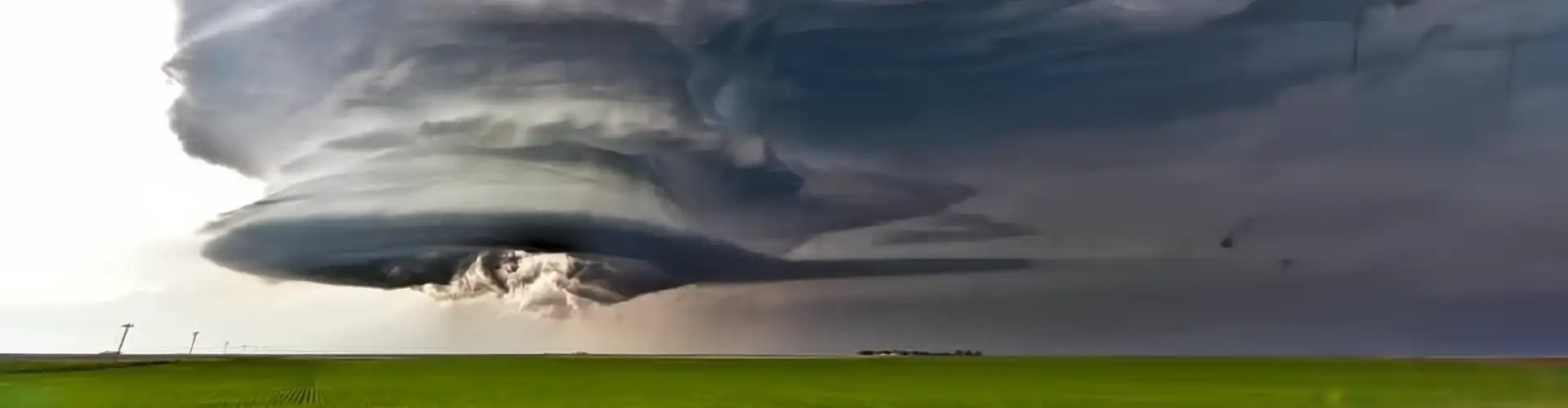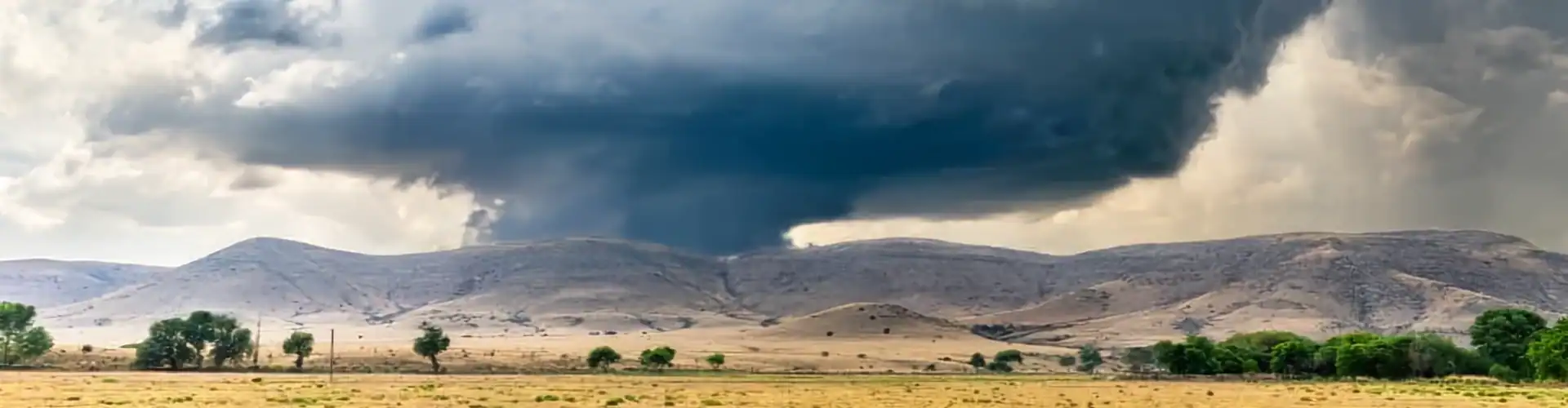
An Oklahoma evening can change in a moment. Dinner is on the stove, the television is playing, and then a weather alert sends everyone reaching for a phone. Knowing tornado warning signs in Oklahoma helps you recognize danger, but you should never wait for a funnel cloud before taking cover.
Rotating clouds, swirling debris, and a continuous roar can signal a nearby tornado. Heavy rain or darkness may hide those clues entirely. If a tornado warning includes your location, seek shelter immediately.
This guide is for Oklahoma residents and families who want to recognize a tornado threat, understand official warnings, and know where to go when seconds matter.
At OKC Shelters, we help families prepare with professionally installed storm shelters and safe rooms. Recognizing the threat matters. Having somewhere to go matters just as much.
Visible and Audible Tornado Warning Signs
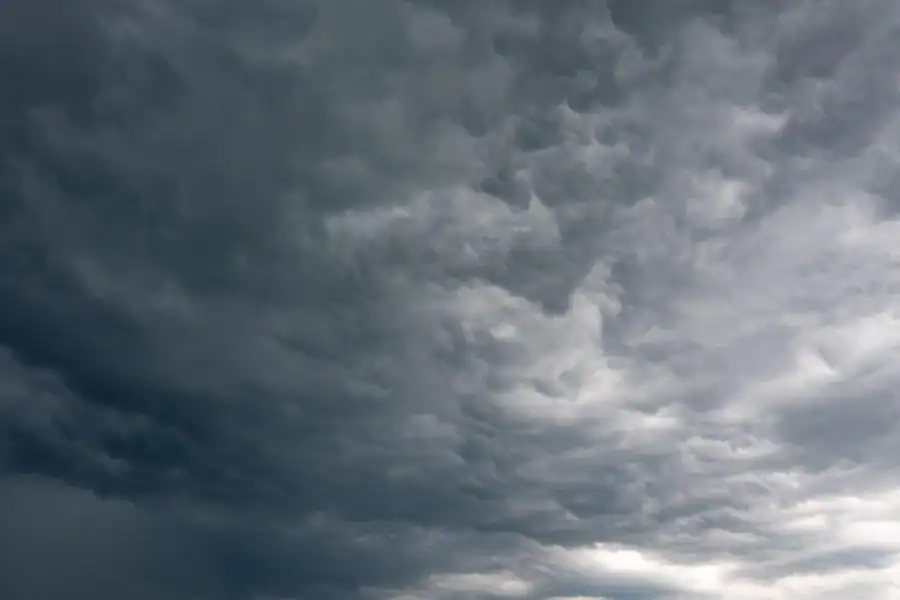
Tornadoes do not always appear as clear funnels, especially at night or when heavy rain blocks the view. Changes in the sky, movement near the ground, and unusual sounds can signal danger. However, never wait for these clues if an official warning includes your location. Seek shelter immediately.
Rotating Clouds and Funnel Clouds
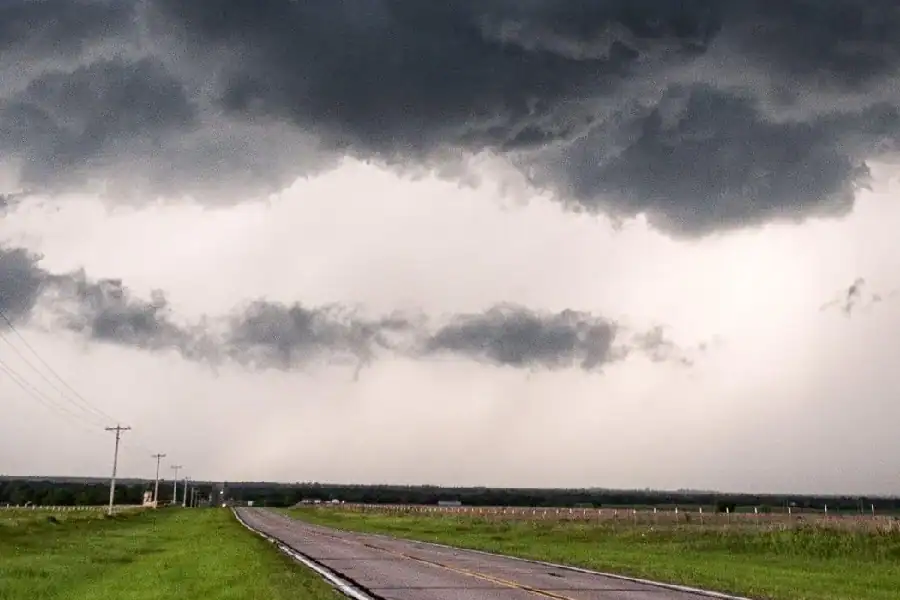
Persistent rotation beneath a thunderstorm deserves attention. A wall cloud is a lowered section of the cloud base; some rotating wall clouds produce tornadoes, but many do not. A funnel cloud is a rotating, funnel-shaped cloud extending from the base of a thunderstorm without visibly reaching the ground.
The visible funnel does not have to touch the ground for a tornado to exist. Rotating air can reach the surface while the condensation funnel remains above it. National Weather Service guidance explains this distinction.
Never step outdoors to confirm what you think you see. Move toward protection.
Swirling Debris and a Persistent Roar
Dust, branches, or other material rotating beneath a storm can indicate a tornado already affecting the ground. Flying debris or a rotating debris cloud near the ground may indicate that a tornado is already present or nearby, even when a funnel is hidden by rain or not clearly visible. Branches and other airborne objects can also become dangerous projectiles in strong winds.
A loud, continuous rumble, often compared with a freight train, is another warning sign. Unlike thunder, it may not fade after a few seconds. Never wait to hear it before taking shelter; distance, wind, and heavy rain can make a tornado difficult to hear.
Greenish Skies, Hail, and Sudden Changes
Large hail and dark or greenish skies can accompany severe weather. However, no single weather condition confirms that a tornado is coming, and a tornado does not require a green sky.
Likewise, sudden calm is not an all-clear. A change in wind or rain should be your cue to stay informed, not a reason to walk outside. Treat visual clues as supporting information while following official alerts.
Tornado Watch vs. Tornado Warning
A tornado watch means conditions are favorable for tornado development. Watches can remain in effect for several hours, giving you time to prepare and stay alert. Review your plan, check shelter access, and gather family members nearby. If your safe location is elsewhere, arrange to reach it before dangerous weather arrives.
A tornado warning means a tornado has been sighted or indicated by radar. If your location is included, take cover now. Do not wait for sirens, another message, or a neighbor to confirm the tornado threat. The National Weather Service distinguishes watches as preparation notices and warnings as calls for immediate action.
Receive Emergency Alerts Wherever You Are
Warning channels include Wireless Emergency Alerts on smartphones and local outdoor sirens. Phones and other devices can help, but they should never be your only source of weather warnings. Check their alert settings, and register for any additional notifications offered by local emergency management.
A National Oceanic and Atmospheric Administration (NOAA) Weather Radio with an alert function adds another way to receive alerts, including overnight. Choose a model with battery backup so a power outage does not silence it. Local television and trusted weather coverage provide context, while an official warning map helps identify affected locations.
The Oklahoma Department of Emergency Management provides online resources for setting up emergency alerts and preparing for severe weather. If a local notification service requires an account, confirm your address and contact information are current.
Know which counties contain your home, workplace, and children’s school, along with the nearby towns forecasters may mention. If a warning includes your location, move immediately rather than studying radar beside a window.
What Oklahoma City Sirens Mean
Outdoor sirens are intended to warn people outdoors; do not rely on hearing them inside. In Oklahoma City, sirens stopping does not mean the threat has passed. The city does not issue an all-clear siren signal. Continue monitoring official updates from your sheltered location.
Tornado Safety: Find the Safest Place Available
A purpose-built storm shelter or tornado safe room provides dedicated protection. A basement is another sheltering option. Without those, move to a small interior room on the lowest floor of a sturdy building.
An interior closet or hallway away from windows may be your best available location. Put as many walls between yourself and the outside as possible. Avoid exterior doors and large open rooms such as gyms, cafeterias, and auditoriums. Ordinary interior rooms are not equivalent to engineered safe rooms.
Get low and protect your head and neck. Nearby blankets or pillows can offer additional protection from debris. Wear a helmet if it is immediately available, but never delay sheltering to search for one.
At OKC Shelters, our garage storm shelters provide access from inside the garage, while above-ground safe rooms offer walk-in entry. Choosing between them includes considering who will use the shelter and whether stairs are practical.
Keep the entry clear of storage and parked vehicles. Follow the manufacturer’s instructions for closing and securing shelter doors. Never open house windows to equalize air pressure; spend those seconds getting everyone inside your safe location.
What to Do Outside During Tornado Conditions
If you are outside when a tornado approaches, seek a nearby sturdy building or designated shelter immediately. A porch, shed, or highway overpass is not a safe substitute.
If driving, reach a nearby sturdy shelter when you can do so safely. Do not try to outrun a tornado through city traffic. If flying debris makes driving unsafe, pull over and park. As a last resort, remain buckled, lower your head below the windows, and cover it with your arms and a coat or blanket.
If no sturdy shelter is reachable, use a low-lying area away from trees and vehicles only as a last resort. Lie flat and protect your head and neck, but avoid any area where water is collecting. These are last-resort actions, not reliable protection.
Mobile homes offer virtually no protection against tornado-force winds. Residents should identify a nearby storm shelter or sturdy building and leave early, before the storm arrives. If a tornado warning catches you there, move to the closest substantial shelter immediately. For outdoor events, identify shelter locations before attending.
Prepare a Kit You Can Reach Quickly

Keep an emergency kit in your shelter so nobody has to hunt for supplies. Store at least one gallon of water per person per day for several days. Add non-perishable food such as protein bars or canned goods, along with a manual can opener. Include essential medications and a first aid kit containing basics such as adhesive bandages and antiseptic wipes. Pack personal hygiene items, including soap and toilet paper, for sanitation if a disaster disrupts normal services. Ready.gov’s emergency-kit guidance can help you plan quantities for your household.
Add a flashlight and extra batteries. A battery-powered radio or hand-crank radio keeps information available if electricity fails; verify that your model receives NOAA weather broadcasts.
Place sturdy shoes nearby to protect your feet from broken glass afterward. Keep phone charging supplies, pet necessities, and useful emergency contacts together. Check expiration dates and replace depleted supplies regularly. Oklahoma’s storm preparedness toolkit offers practical tips for kits and power outages.
Practice getting everyone into the shelter, including anyone who needs assistance. Sharing responsibilities ahead of time helps: one adult assists children while another handles pets, provided doing so does not delay safety.
Choose a Storm Shelter Before the Next Warning
At OKC Shelters, we are proud to help Oklahoma households plan ahead through garage shelters, concrete shelters, safe rooms, and custom shelter options. We discuss placement and access so your choice fits daily life.
You do not have to figure everything out at once. Start with a clear route, working alerts, and a practiced plan for your family. Then, contact our team online or at (405) 896-8080 to discuss installation and request a quote. Preparation today gives your family fewer decisions to make when the next warning arrives.