Living in Oklahoma means hearing plenty of tornado advice. Some comes from meteorologists; some gets passed down through families. The trouble is that a few of the most common tornado myths can waste valuable time when severe weather is closing in.
If a tornado warning is issued, the priority is simple: seek shelter immediately in the safest location available.
At OKC Shelters, we help families across Oklahoma City prepare before the sirens sound with concrete shelters, in-garage shelters, above-ground safe rooms, and custom shelters and bunkers. A dependable shelter matters, but so does knowing which tornado safety advice is true.
Here are the tornado myths debunked that Oklahoma households should know.
Why Tornado Myths Stick Around
Oklahoma City sits in the central Plains region, commonly associated with Tornado Alley. Because many tornadoes occur here, people develop rules about where tornadoes form, how tornadoes move, and which places are safe. Some ideas sounded reasonable decades ago but did not hold up as weather science improved.
Decades of National Weather Service observations show why these common myths are unreliable. Tornadoes can cross rivers, move over hills, strike cities, and reach the ground without fully visible funnel clouds. Even weak tornadoes can create dangerous flying debris.
Myth #1: Opening Windows Keeps a House From Exploding
One of the oldest tornado myths says opening windows will equalize pressure and keep a house from seeming to explode outward. That is not how most tornado damage happens.
Strong winds and debris can break windows, remove roofing, and damage walls. Opening windows does not protect the building, and moving from room to room wastes valuable time that should be spent seeking shelter. The National Weather Service specifically advises against it.
Broken or open windows can also allow wind and flying glass into the house. During a warning, forget the windows and take shelter.
Myth #2: The Southwest Corner Is Always Safest
You may have heard that the southwest corner of a basement is the safest place because debris will fall outwards or move toward the northeast. That rule is not dependable.
Tornadoes travel in different directions, structures fail differently, and debris can come from almost anywhere. An underground storm shelter or a properly designed above-ground safe room offers the best protection. If one is not available, National Weather Service guidance generally calls for a small interior room on the lowest floor, away from windows.
At OKC Shelters, our safe rooms provide fast indoor access, while garage and concrete shelters offer options for different properties and accessibility needs.
Myth #3: Highway Overpasses Are Safe Tornado Shelters
Highway overpasses may look sturdy, but they are not tornado shelters. The space below can expose people to strong winds and flying debris. Some designs can also create a wind tunnel effect that increases wind speeds.
Stopping underneath one can cause a traffic jam, leaving drivers trapped when valuable time should be spent seeking shelter. The National Weather Service documented this danger following Oklahoma’s deadly May 3, 1999 tornado outbreak.
If you are in a car, try to reach sturdy shelter safely. If that is impossible, follow current National Weather Service guidance rather than using an overpass. If no sturdy shelter is reachable, the National Weather Service advises either getting down in the car and covering your head or moving to a noticeably lower area, such as a ditch or ravine, where you can lie flat and protect your head and neck.
Myth #4: Tornadoes Cannot Hit Big Cities
Big cities are not protected by tall buildings, pavement, or other man-made features. Tornadoes can and do hit large cities.
Oklahoma City is a clear example. The National Weather Service has documented many tornadoes affecting the area. Terrain features and dense development do not create a protective wall around a city or the surrounding area. Oklahoma City itself is located near the heart of what has traditionally been called Tornado Alley.
Tall buildings do not create a reliable barrier against strong tornadoes or violent tornadoes moving through a metropolitan area.
Myth #5: Rivers, Hills, and Terrain Stop Tornadoes
Another myth says tornadoes cannot cross rivers, climb hills, or move through areas that are not flat land. Tornadoes are associated with the flat Great Plains, but flat land is not required.
The National Weather Service notes that tornadoes have crossed major rivers. Hills, valleys, lakes, and other geographic areas may influence weather, but none should be treated as guaranteed protection.
If a tornado warning includes your location, take shelter. Do not assume a river, ridge, or other terrain features will stop the storm.
Myth #6: You Will Always See a Funnel Cloud
Visible funnel clouds make storms easier to recognize, but a tornado does not need a fully condensed funnel reaching the ground.
A funnel cloud is rotating condensation associated with circulation that has not reached the surface. A tornado is a rotating column of air in contact with the ground. Sometimes a tornado is already occurring even though the visible funnel appears to end above the surface. Rotating dust or debris below the cloud can confirm that the circulation has reached the ground.
Heavy rain can hide a tornado, and nighttime storms are even harder to see. If a warning is issued, seek shelter rather than stepping outside to look.
Myth #7: Green Clouds Mean a Tornado Is Coming
Green clouds can look alarming during severe thunderstorms, but a green sky is not proof that a tornado will form.
Severe storms can produce hail, heavy rain, damaging winds, and sometimes tornadoes. The sky’s color alone cannot tell you whether a storm will produce tornadoes. Warnings, radar information, and trusted weather alerts should drive your decision.
Oklahoma storms can change quickly, so you do not need a dramatic sky to take a warning seriously.
Myth #8: Tornadoes Only Happen in Tornado Alley
Tornado Alley is an informal geographic term, not a boundary around the only places tornadoes occur. Tornadoes happen in many geographic areas when atmospheric conditions support them, and they can occur at any time of the year.
Oklahoma and the Great Plains have a well-known tornado history, but storms outside traditional Tornado Alley can produce tornadoes too. Not every severe thunderstorm in Oklahoma becomes tornadic, either.
Understand local severe weather, know watches and warnings, and have a shelter plan wherever you live.
Myth #9: Weak Tornadoes Are Nothing to Worry About
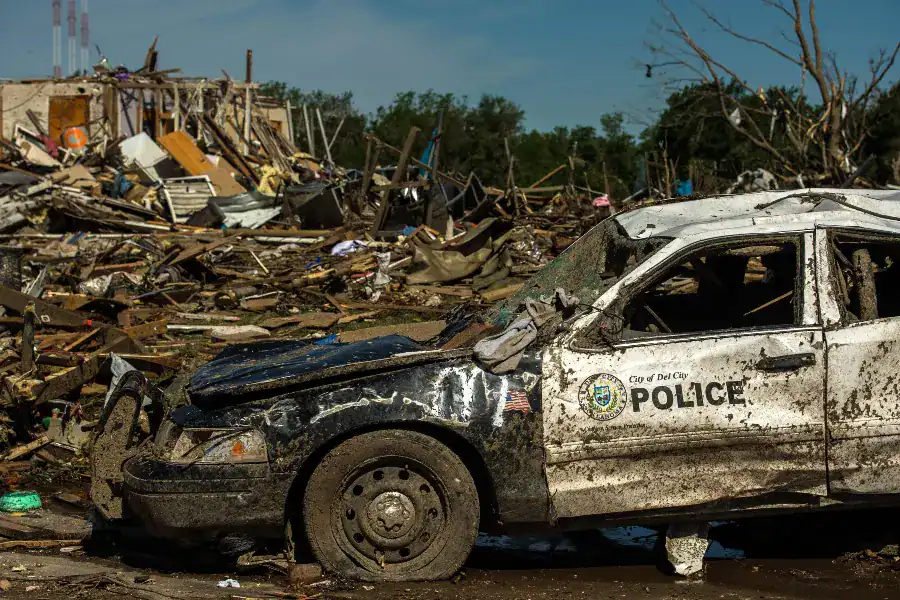
The average tornado people picture may be a massive, mile-wide wedge, but real tornadoes come in many sizes and strengths. EF0 and EF1 tornadoes are considered weak on the Enhanced Fujita Scale, but that label should never be confused with harmless.
Even weak tornadoes can damage roofs, break windows, bring down trees, and turn ordinary objects into flying debris. Their wind speeds can still cause injuries and serious property damage.
Do not decide whether a tornado looks weak enough to ignore. The path of a tornado can change, visibility may be poor, and appearance cannot reliably show strength.
Myth #10: Mobile Homes Are Safe if Tied Down
Mobile homes are particularly vulnerable to tornado winds. Anchoring can reduce a mobile home’s vulnerability to strong winds, but it does not make the structure a safe tornado shelter.
If you live in a mobile home, identify a sturdy building or storm shelter you can reach before severe weather arrives. Do not wait for a visible funnel before deciding where to go. National Weather Service tornado safety guidance recommends leaving mobile homes for sturdier shelter when a tornado threatens.
OKC Shelters offers garage shelters, concrete shelters, and walk-in safe rooms for different properties, helping make protection easier to reach when seconds matter.
Myth #11: Tornadoes Always Move Southwest to Northeast
Many tornadoes in the central United States move generally from southwest toward northeast with their parent storms. But tornadoes can travel in other directions, and their paths may curve or change.
Never assume you are safe because you are on one side of a storm. If your location is in a tornado warning, respond to the warning instead of trying to predict the exact path yourself.
A tornado does not have to follow the direction you expected to hit your neighborhood.
Myth #12: Tornadoes “Skip” Certain Houses

A tornado can heavily damage one house while another nearby has much less damage. That can create a false sense that tornadoes skip homes or that a place already hit will not be hit again.
Damage varies with wind intensity, debris, construction, and the circulation itself. No house, neighborhood, or city is protected by what happened during the last storm. The National Weather Service specifically lists the idea that tornadoes “skip” as one of the common tornado myths.
It may be comforting to believe your particular street is somehow protected, but weather does not work that way.
What to Do During a Tornado Warning
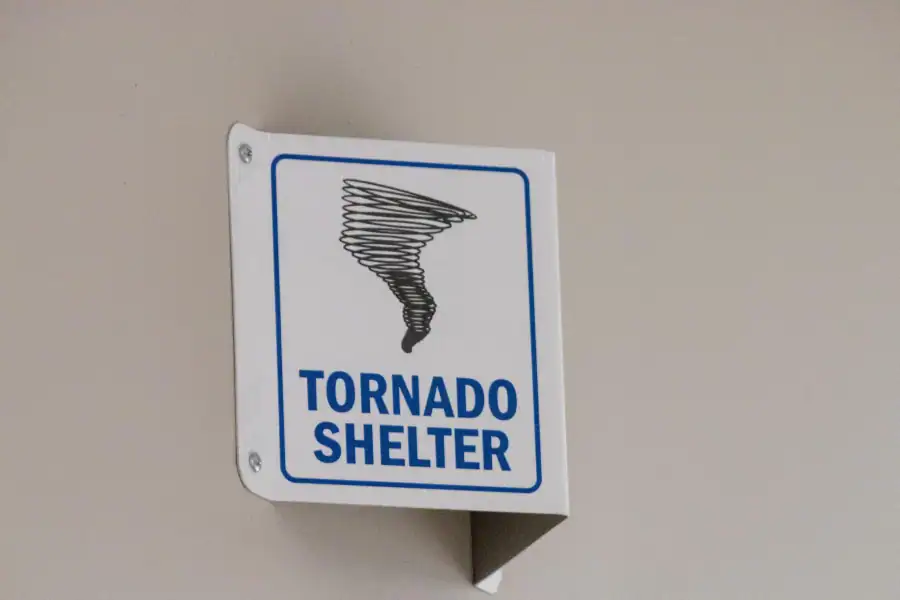
When the National Weather Service issues a tornado warning for your area, seek shelter immediately. In a sturdy building without a dedicated storm shelter, go to a basement or small interior room on the lowest floor, away from windows. Put as many walls as possible between you and the outside and protect your head and neck from debris. Flying debris is one of the biggest hazards during tornadoes and other damaging wind events.
If you are in a mobile home, move to a sturdy building or storm shelter when it is safe to do so. If you are driving, do not stop under highway overpasses. A car is not the safest place to be during a tornado.
If you are wondering what to do outside during a tornado, your goal should be to get into a sturdy building or designated storm shelter as quickly as possible. If no shelter is available, follow current National Weather Service guidance for your situation and protect your head and neck from flying debris.
Most importantly, do not spend precious minutes testing old myths. Time spent seeking shelter is more useful than opening windows, watching green clouds, or guessing where a storm will strike.
Tornado Myths Debunked: Preparation Beats Guesswork
The most common tornado myths share one problem: they create a false sense of control. Opening windows, choosing the southwest corner, relying on terrain, or assuming big cities cannot be hit may sound reassuring, but none replaces a real tornado safety plan.
For Oklahoma families, severe weather is part of life. We cannot control when storms happen, when tornadoes form, or where a tornado will strike, but we can control how ready our households are.
At OKC Shelters, we install storm shelters and safe rooms across Oklahoma City and throughout Oklahoma. If you’re looking for that extra safety measure, call us at (405) 896-8080, and our team will walk you through the storm shelter installation process. When dangerous weather moves in, remember the simplest rule: trust proven guidance, act quickly, and seek shelter.
When dangerous weather moves in, remember the simplest rule: trust proven guidance, act quickly, and seek shelter.