When a tornado warning sounds, the last thing you want is to scramble into your storm shelter only to find yourself in complete darkness. Storm shelter lighting and power are not just matters of convenience. They are genuine life-safety priorities that can determine how well you and your family function during and after a severe weather event. Whether you have an underground tornado shelter, a garage unit, or one of our above-ground safe rooms, having the right lighting and power setup makes every difference when the storm hits.
This guide walks you through the most practical, reliable, and code-compliant options for keeping your shelter lit and powered when you need it most.
Why Lighting and Power Matter Inside a Storm Shelter
A storm shelter is designed to protect occupants from flying debris, collapsed walls, and extreme winds. But once you close those heavy doors behind you, you are sealed inside an enclosed space with no natural light. Without a reliable light source, even a short stay can feel disorienting and frightening, especially for children.
Beyond comfort, power in a shelter keeps critical safety features running. Proper ventilation depends on battery powered fans or powered air filtration systems that maintain air quality over long periods. Communication devices like weather radios and cell phone chargers require electricity. A first aid kit is only useful if you can see what you are doing. These are not extras. They are essential components of a fully prepared shelter.
Power outages almost always accompany severe weather events, which means you cannot count on your standard home electricity once the storm arrives. Your shelter needs its own independent power plan.
Battery-Powered LED Lights: The Most Practical Starting Point

For most Oklahoma families, battery-powered LED lights are the simplest and most dependable solution for storm shelter lighting. LED technology has advanced significantly, and today’s options are bright, long-lasting, and energy-efficient enough to run on spare batteries for many hours without fading.
Here is what makes LED the smart choice for a shelter:
Low heat output. In a sealed, enclosed space with limited airflow, heat buildup becomes a real concern over long periods. LED fixtures generate far less heat than incandescent bulbs, making the interior more comfortable while also reducing fire risk.
Long battery life. A quality LED lantern on low or medium brightness can provide light for 20 to 100 or more hours, depending on the battery type. This matters when you do not know how long a storm event may last or how long you may need to stay inside.
Compact and easy to store. Battery-powered LED lights come in a wide range of form factors. Ceiling-mounted puck lights, portable lanterns, and strip lights can all be installed or stored inside your shelter without taking up much floor space.
When stocking your shelter, keep extra batteries in a sealed, moisture-resistant container. Alkaline batteries work well in moderate temperatures, but lithium batteries are worth the extra cost because they perform reliably across a wider temperature range and have a significantly longer shelf life. Label your battery containers clearly and rotate stock at least once a year.
Flashlights are also an essential backup. Keep at least one per person and store them where they are immediately accessible when you enter the shelter. A bright, durable flashlight stored near the door ensures no one is left in the dark during those first moments inside.
Lanterns and Overhead Lighting for Shelter Spaces
A single flashlight is enough to navigate the dark, but it is not enough to comfortably manage emergency supplies, tend to children, or read a first aid kit label. For any shelter with a capacity of two or more people, a lantern or overhead battery-powered light source is far more practical.
Battery-powered lanterns designed for camping are ideal for tornado shelter use. They distribute light evenly across the interior, can be hung from a ceiling hook or set on the floor, and most models run for many hours on standard batteries. Look for lanterns with multiple brightness settings so you can conserve battery power during longer stays.
For shelters where you want a more permanent solution, LED puck lights or strip lights installed along the ceiling or upper walls provide consistent coverage. These can be hardwired to a battery backup system or run on their own dedicated batteries. Some models are motion-activated, which is a convenient feature when hands are full.
If your shelter has a concrete floor and walls, consider mounting lights on the walls rather than only the ceiling. Wall-mounted fixtures at mid height prevent the only light source from being directly above eye level, which can create glare and shadows that make reading or moving around more difficult.
Powering Communication Devices and Other Equipment
Once you have basic lighting covered, the next priority is ensuring your communication devices stay charged and your ventilation equipment keeps running. This is where a slightly more robust power solution pays off.
Portable chargers and power banks are affordable, easy to maintain, and store well in tight spaces. A high-capacity power bank can charge a smartphone multiple times over, which allows you to receive emergency alerts, contact family members, or access weather updates for as long as your shelter stay lasts. Keep portable chargers fully charged and stored in your shelter at all times.
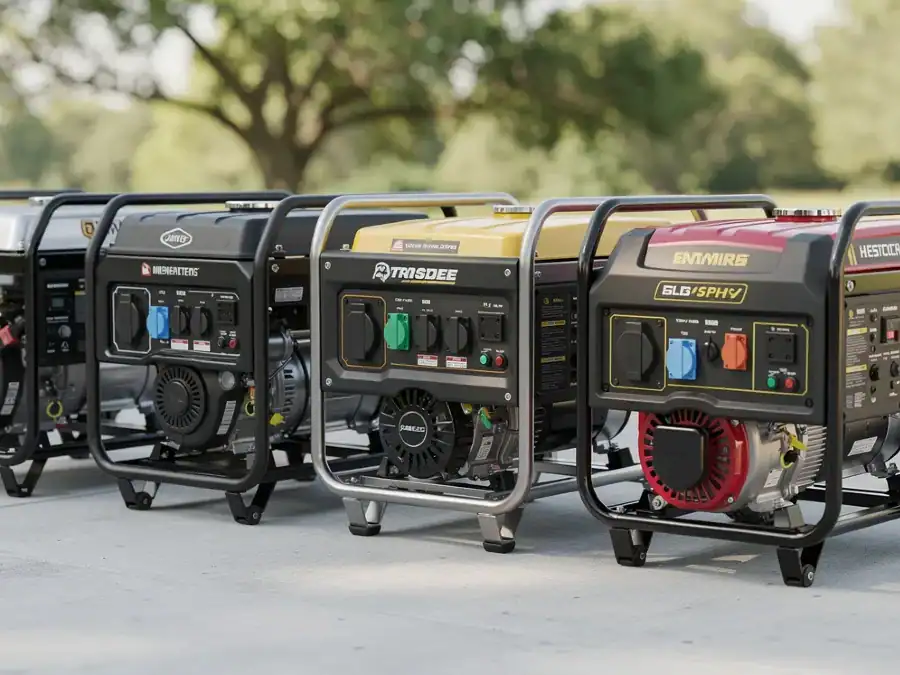
Portable generators are an option for larger shelters or for families who want to power multiple devices simultaneously. However, portable generators fueled by gasoline or propane must never be operated inside an enclosed shelter due to carbon monoxide risk. If you plan to use a portable generator, it must be located outside with a properly installed power line running into the shelter. This setup requires careful planning, proper fuel storage, and compliance with local building codes. Always consult a licensed electrician before installing any generator hookup.
Battery-powered fans are a direct solution for keeping the air moving when power goes out. Small, rechargeable fans can run for several hours on a single charge and make a meaningful difference in comfort and air quality during an extended shelter stay. Pair battery powered fans with your existing air filtration systems for the best results.
Ventilation and Air Quality: The Power Concern You Cannot Overlook
Safe rooms and storm shelters are built to be airtight enough to block debris and wind. That same seal can become a problem if you are inside for an extended time without proper ventilation. Fresh air circulation is crucial for occupant safety, especially in shelters with higher capacity.
Most professionally installed shelters include a ventilation system designed to bring in fresh air while filtering out airborne debris. These systems require power to operate. If your shelter’s air filtration systems run on standard electricity, a power outage during the storm means they stop working.
The solution is to ensure your ventilation system has a battery backup or is designed to operate independently of your home’s power supply. Some systems include built-in backup batteries that automatically engage during power outages. Others can be connected to a dedicated battery bank. When choosing a storm shelter or reviewing your current installation, verify that the ventilation can operate even when the grid is down.
Battery-powered fans, as mentioned above, can serve as a secondary source of airflow when primary ventilation is limited.
Sanitation, Food, and Other Essentials That Require Light
A well-prepared shelter is stocked with water, non-perishable food, a first aid kit, sanitation supplies, and emergency supplies appropriate for the number of occupants and the potential duration of a storm. None of those supplies is easy to use in the dark.
Good lighting directly supports your ability to:
- Administer first aid accurately
- Read medication labels and emergency instructions
- Access sanitation supplies safely
- Distribute food and water to everyone in the shelter
- Monitor the condition of all occupants, including children and elderly family members
Peace of mind during a storm depends in part on feeling capable and in control. A bright, reliable light source is one of the simplest ways to maintain that sense of security when conditions outside are at their worst.
Compliance with Local Building Codes
If you are installing new lighting or a power system in an existing or new shelter, it is important to comply with local building codes and FEMA guidelines. Above-ground safe rooms and underground tornado shelters installed by professional contractors are built to meet or exceed these standards, but any electrical modifications you make after installation may require permits and inspections.
Consult your shelter installer or a licensed electrician before adding hardwired lighting, generator connections, or power systems. This protects both your safety and the structural integrity of the installation. Building code compliance also matters for insurance purposes and for ensuring your shelter performs as designed during a severe weather event.
A Simple Shelter Power Checklist
Before the next storm season, take time to review your shelter’s lighting and power setup against this list:
- At least one battery-powered LED lantern per shelter
- Flashlights are stored near the shelter entrance for each person
- Extra batteries in sealed containers, rotated annually
- A high-capacity portable charger kept fully charged
- Battery-powered fans for air circulation
- Verified ventilation system with battery backup
- A fully stocked first aid kit stored where it is accessible in the dark
- Communication devices and a weather radio with fresh batteries
Be Ready Before the Next Storm
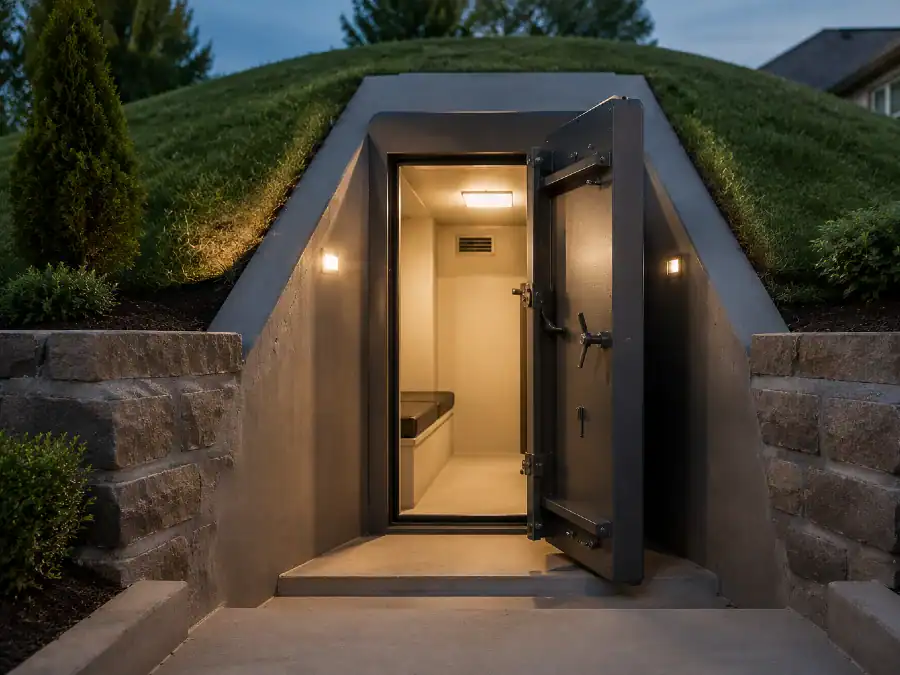
Storm shelter lighting and power do not need to be complicated or expensive to be effective. The goal is simple: when you close those shelter doors, and the storm surrounds you, your family should be able to see clearly, breathe comfortably, stay informed, and wait out the weather with confidence.
Start with battery-powered LED lights and extra batteries. Add a portable charger, battery-powered fans, and a reliable lantern. Verify that your ventilation is backed up. And if you are ready to install a new shelter or upgrade an existing one, our team at OKC Shelters is here to help you build a setup that prioritizes safety from the ground up.
Contact us today to learn more about our above-ground safe rooms, underground tornado shelters, and custom solutions designed for Oklahoma families. Your shelter should be ready before the next warning. Let us make sure it is.