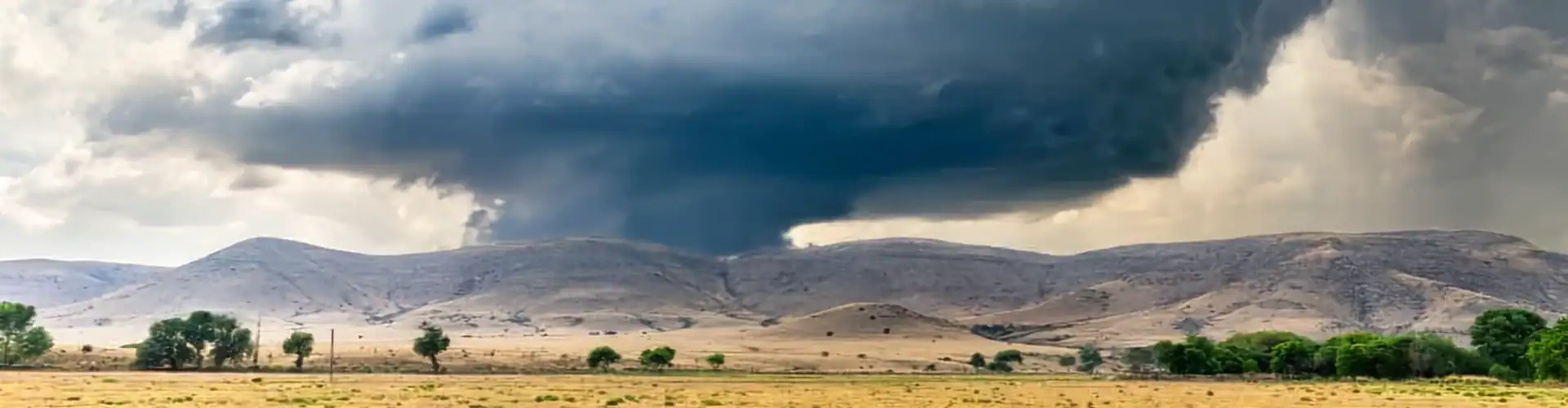
In Oklahoma, storm season is not something homeowners take lightly. A calm evening can quickly turn into inclement weather, tornado warnings, extreme winds, and flying debris. When that happens, having a storm shelter close by can make all the difference.
At OKC Shelters, we help Oklahoma families choose the right shelter for their home, garage, yard, and daily routine. Most homeowners start by asking about size, capacity, location, door style, and installation. Those details matter, but the floor matters too. The right storm shelter flooring options can make your shelter easier to enter, easier to clean, safer to stand on, and more comfortable when your family needs to stay inside.
A shelter floor is not the same as flooring for a bathroom, pantry, closet, or spare room. It is part of a life safety space. Whether you are looking at an underground storm shelter, above-ground safe rooms, or an underground shelter installed beneath a garage floor, the flooring should support the structure and protection of the shelter.
Why Tornado Shelter Flooring Matters
A tornado shelter floor does more than give people a place to stand. Depending on the construction, it may work with the foundation, walls, steel panels, reinforcing, bolts, or reinforced concrete structure. In a garage shelter, the flooring also needs to work with the garage floor above it and the access door that opens into the room below.
In safe rooms, the floor and anchors help connect the structure to concrete so it can withstand winds, pressure changes, and debris impact. The wrong flooring material can trap moisture, hide rust, interfere with ventilation, block access, or make the surface slippery during an emergency.
When a tornado warning is issued, people may be moving quickly. There should be no loose edge, floating tile, slick coating, or unstable surface in the way. Good flooring helps protect your family’s safety by supporting easy access, simple maintenance, and long-term added durability.
Flooring also affects how easy the shelter is to inspect. A clean, visible floor makes it easier to notice leaking, moisture, rust, mud, or loose materials before they become serious problems. That is important in Oklahoma, where preparing for severe weather is something homeowners return to every year.
Storm Shelter Flooring Options
Storm shelter flooring options should be chosen with safety, moisture control, and long-term durability in mind. Whether your shelter is built into a garage floor, installed underground, or designed as a safe room, the right flooring can make the space easier to access, clean, and maintain during storm season.
For homeowners who want a storm shelter that fits their home and keeps their family safe, OKC Shelters can help recommend the right setup and flooring for Oklahoma weather.
Sealed Concrete: A Practical Starting Point
For homeowners with a concrete storm shelter, sealed concrete is often the most practical flooring choice because it is durable, easy to clean, and simple to inspect after heavy rain or severe weather. It also works well for many storm shelter flooring options because it fits naturally with underground construction, reinforced concrete walls, and garage shelter installation.
A sealed concrete floor is easy to sweep, wipe down, and inspect. During storm season, dirt, rainwater, and debris can get tracked inside. With a clean concrete surface, it is easier to spot moisture or leaking early instead of discovering damage later.
Concrete also helps preserve valuable square footage. In a garage shelter, the shelter is installed below the garage floor, which means homeowners can still use the garage for a vehicle, storage, and daily convenience.
The main drawback is comfort. Concrete is hard and can feel cold. Many families add removable rubber mats for cushioning. The important word is removable. You want comfort without trapping moisture or covering up the floor condition.

Epoxy and Coated Concrete Floors
Epoxy and textured concrete coatings can reduce dust, improve cleanup, and give a shelter or garage a more finished look. For homeowners already upgrading a garage floor, epoxy may feel like a natural choice.
Coatings can improve the look and durability of a storm shelter floor, but they should not be used to cover up water problems. If an underground storm shelter has standing water, heavy condensation, or active leaking, those issues need to be fixed first. Glossy coatings can also become slippery, so any coating used in a shelter should include slip-resistant texture and should never block drainage, hardware, reinforcing, or the door’s operation.
For a dry shelter, a properly prepared coating can add durability and make cleanup easier.
Rubber Mats and Raised Drainage Tiles
Rubber mats are one of the most practical comfort upgrades for a tornado shelter. They add cushion, improve traction, and make the room feel less bare. At OKC Shelters, we see rubber mats as an add-on over a solid floor, not as a replacement for the shelter floor itself.
Removable mats are best because they can be lifted, cleaned, and dried. This matters in an underground shelter where damp air can collect. If mats sit too long on a wet surface, they can trap moisture and create odor or mildew. Mats should never block the steel door, steps, emergency access, ventilation, or emergency supplies.
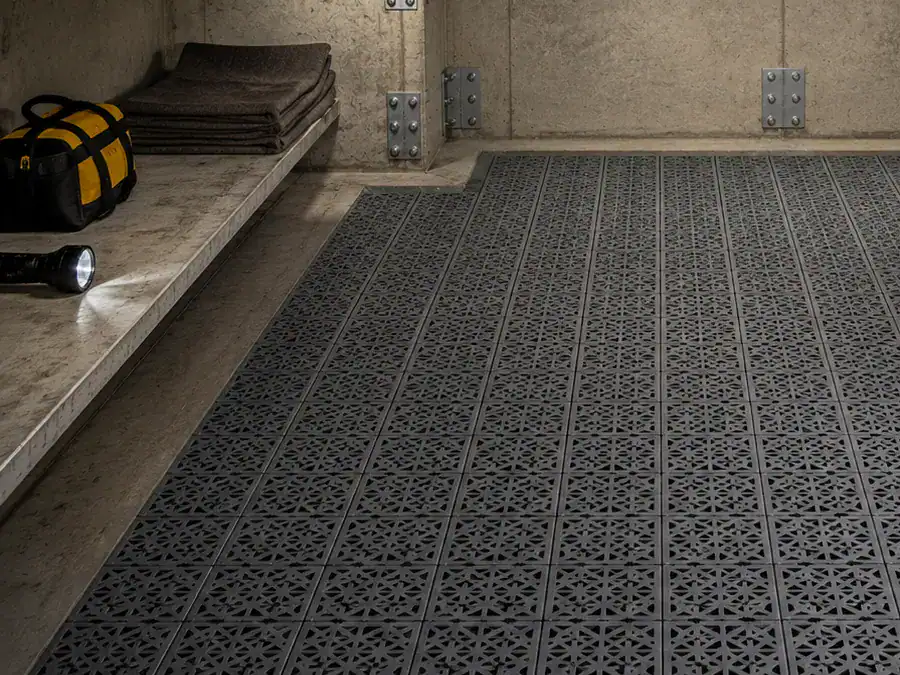
Raised PVC or plastic drainage tiles may also help in some underground spaces. These tiles can keep feet and supplies slightly above the concrete and allow airflow underneath. They may be useful for an underground tornado shelter that occasionally feels damp, but they should not be used to ignore serious water problems.
Flooring Materials to Avoid
Some materials may look comfortable, but they may not be a good fit for a storm shelter. Carpet can hold moisture, dirt, and odors, especially underground. Wood, laminate, and particleboard can swell, warp, or break down in damp conditions. Foam tiles may feel soft, but they can wear out, absorb moisture, and hide problems underneath.
Slick coatings without texture should also be avoided. A shelter floor may get wet from shoes, rain, or condensation. During a storm emergency, the last thing anyone needs is a slippery path between the garage door and the room below.
Flooring should never reduce safety. It should not cover bolts, block ventilation, limit capacity, hide rust, or make the door harder to open. It should accommodate the way the shelter was built and the number of people it is designed to protect.
Garage Storm Shelter Flooring in Oklahoma
Garage storm shelters are popular across Oklahoma because they are convenient. They are located below the garage floor, so your family can reach protection without going outside into hail, rain, winds, or flying debris. For many Oklahoma homeowners, this is especially helpful when the property does not have much extra ground space for a large outdoor structure.
A garage shelter helps preserve valuable square footage. You can still park a vehicle, use the garage for storage, and have quick access when the weather changes. For this type of shelter, OKC Shelters often recommends keeping the floor practical and easy to maintain. Sealed concrete is one of the best flooring choices because it is strong, simple to clean, and works well with the surrounding garage floor. Some homeowners also add removable rubber mats for comfort and traction, as long as the mats do not block access, drainage, or the shelter door.
For many families across Oklahoma, a garage shelter can also feel like a practical home upgrade and add value to the local market because it gives protection without taking away daily garage space. With the right installation from OKC Shelters, it becomes an investment of dollars into convenience, protection, and peace of mind.
Safe Rooms and Above-Ground Shelter Floors
Safe rooms are a strong option for families who want walk-in access without stairs. They can often be placed in or near an existing home, depending on the layout. They should also have enough space for your family and minimum emergency supplies, such as water, flashlights, shoes, a weather radio, and basic first aid items.
For safe rooms, the foundation is extremely important. It gives the structure added strength and added durability when extreme winds and flying debris put the shelter to the test. The room may use reinforced concrete, steel panels, anchors, and bolts to help the structure withstand storm pressure and debris impact.
When OKC Shelters constructs a safe room or above-ground shelter, the floor system is planned to work with the walls, roof, door, anchors, and foundation. Sealed concrete is usually the safest and simplest flooring option, while a textured epoxy or polyaspartic coating may work well if the floor is dry and properly prepared. Removable rubber mats can also add comfort, but carpet, wood, and slippery glossy coatings are usually better avoided because they can hold moisture or create safety issues.
Safety Features Beyond the Floor
The floor is important, but it is only one part of the shelter. The walls, roof, steel door, ventilation, reinforcing, hardware, foundation, and access point all matter. For Oklahoma homeowners, this is where standards matter. FEMA guidelines and ICC storm shelter standards are designed around life safety during extreme winds and flying debris, which is why a real shelter must be built for far more than everyday home use.
OKC Shelters focuses on Oklahoma-ready protection because this is where we live and work. Our team helps homeowners choose the right shelter type, plan the location, prepare for delivery, and understand the installation process. The final structure should feel simple to use, not confusing or intimidating.
The best safety features work together. A strong door matters. Ventilation matters. Reinforcing matters. A stable floor matters. When every part of the shelter supports the next, the entire structure becomes easier to use and more dependable when Oklahoma weather turns dangerous.
Prepare Your Home for the Storm Season
The best storm shelter flooring options are practical, safe, and easy to maintain. For many homes, sealed concrete with removable rubber mats is a smart choice. For a dry garage floor, epoxy or a textured coating may work well. For a damp underground storm shelter, raised drainage tiles may help as long as the main water issue is under control.
A dependable storm shelter can reduce the risk of injury or death when extreme Oklahoma weather creates a real disaster. If you live in Oklahoma and are planning a storm shelter, underground tornado shelter, garage shelter, or safe room, OKC Shelters can help you choose the right location and installation plan. Just contact us at (405) 896-8080 for a free quote, and our team will get in touch with you immediately.
We build for Oklahoma weather, real homes, and families who want dependable protection before the next storm arrives.