When severe weather moves across Oklahoma, getting to safety should not feel like a race against the clock. For families with elderly loved ones, people with disabilities, children, pets, or service animals, storm shelter accessibility matters before the sirens ever sound. The right storm shelter should be strong, but it should also be easily accessible, simple to enter, and comfortable enough to serve the whole household during stressful moments.
Accessibility is about real life. Someone may use a walker, wheelchair, cane, or other mobility aids. A parent may struggle with steps. A loved one may depend on medication, oxygen, or a caregiver. In an emergency, the shelter has to work for the people intended to use it.
A well-planned safe room, ground shelter, or above-ground storm shelter can help protect your family when severe storms, tornadoes, high winds, and flying debris put a home at risk. While no shelter can promise absolute protection from every possible event, quality materials, professional installation, and smart accessibility features can give your family a safer refuge when disaster strikes.
What Makes a Storm Shelter Accessible?
An accessible storm shelter starts with one question: Can every person in the house get inside quickly and safely? The answer depends on several factors, including where the shelter is installed, the interior space, the door, the floor surface, and whether the route from the house is clear.
For homeowners looking for ADA-compliant storm shelters or ADA-informed accessibility features, the goal is to reduce barriers before an emergency happens. This may include a wider entry, a smoother accessible route, enough interior space for mobility devices, and a door and locking mechanism that can be used safely during stressful moments. While not every storm shelter is automatically ADA-compliant, accessibility should be discussed during the planning and installation process, especially for households with elderly loved ones or family members with disabilities.
For some families, an above-ground storm shelter or safe room is practical because it can be installed in a garage, inside an existing home, or near a common living area. A ground storm shelter or underground shelter may work for other households, especially when yard space allows for a clean installation.
Easy Entry and Exit
The door should be simple to open, secure when closed, and positioned so it does not slow anyone down. For people with mobility challenges, steep steps, heavy doors, narrow openings, or awkward entry angles can become serious problems. A good locking mechanism should add security without making the shelter hard to use from the inside.
Enough Interior Space
Interior space matters more than many homeowners realize. A shelter should have enough room for family members, mobility devices, emergency supplies, pets, service animals, and seating when needed. Wheelchair-accessible designs should accommodate safe positioning, turning space, and a caregiver if support is required.
Best Storm Shelter Types for Seniors and People With Disabilities
Above-Ground Storm Shelters
An above-ground storm shelter is often easier for seniors and wheelchair users because it can reduce the need for stairs. These residential safe rooms can be installed in a garage, attached structure, or suitable room, depending on the construction of the property. When severe weather hits, every second matters, and a shelter that is easily accessible can make the family plan easier to follow.
Garage Storm Shelters
Garage shelters keep protection close to the house. For many families, the garage is already part of the daily routine, so getting to the storm shelter may feel natural. Still, accessibility should be reviewed. The floor should be safe, the path should stay clear, and the door should be manageable.
Underground and Ground Shelters
A below-ground or underground shelter can provide dependable protection, but it may not be right for everyone. Some underground models require steps or a tighter entry. That can be difficult for loved ones with balance issues, knee problems, or mobility aids. Before choosing this type of shelter, think about who will use it during severe storms, not just who can climb in on a calm day.
Essential Accessibility Features to Look For
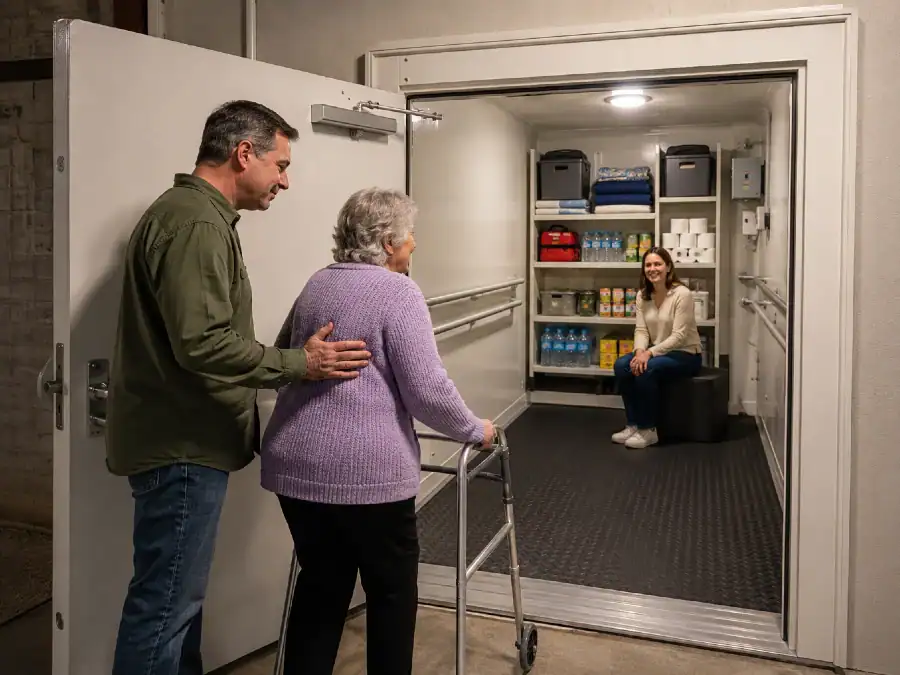
The best accessibility features make safety easier to reach. A smooth, accessible route from the house to the shelter is a priority. That route should be clear of clutter, easy to see, and safe during rain or wind. If the path crosses the yard, consider flooding risks, mud, uneven ground, and whether that route will still be safe during high winds or heavy rain.
If ADA (Americans with Disabilities Act) compliance is a priority, ask your storm shelter provider about entry width, floor clearance, turning space, door operation, and whether the shelter can better accommodate wheelchairs, walkers, and other mobility devices. Storm shelters designed with ADA compliance or ADA-style accessibility in mind can help people with mobility challenges enter, move inside, and remain protected during severe weather.
Inside the shelter, seating can make a big difference for elderly family members who cannot stand for long. Slip-resistant floor materials help reduce fall risk. Bright lighting helps people with limited vision. Ventilation supports comfort while the family waits for the storm to pass. Storage space for supplies keeps the room organized instead of crowded.
A wheelchair-accessible shelter should also have a practical entry, enough room for mobility devices, and clear space near the door. Inclusive design means thinking ahead so people with disabilities are not left struggling when the weather turns dangerous.
Planning for Medical, Pet, and Emergency Needs
Accessibility also includes what your household needs once everyone is inside. Emergency supplies should be stored where they are easy to reach. Keep water, food, a flashlight, batteries, a weather radio, first aid supplies, medications, phone chargers, and copies of important information in a secure container.
If pets or service animals will use the shelter, plan space for leashes, carriers, water bowls, and comfort items. Families should also think about mobility aids and medical devices. Can a walker fit inside without blocking the door? Is there enough room for a wheelchair and another person? Can supplies be reached without standing? These small details matter during stressful moments.
Building Standards, Testing, and Guidance
When comparing options, ask about construction, materials, installation, and testing. Many homeowners look for products designed around FEMA guidelines, ICC standards, and recognized wind and debris testing. You may also hear about Texas Tech University, which is often referenced in the storm shelter industry for wind and debris impact testing.
The goal is to choose a shelter that is properly built, correctly installed, and suited for your household. Professional installation helps make sure the shelter is anchored, sealed, positioned, and finished the right way. It also gives you a chance to ask about drainage, door operation, ventilation, maintenance, ADA compliance, and everyday access.
Planning the Safest Route to the Shelter
A shelter is only helpful if your family can reach it. Walk through your plan before storm season. Start from the bedroom, living room, kitchen, and garage. Check whether rugs, furniture, boxes, or tools block the accessible route. If someone uses mobility devices, test the path with those devices in place.
Talk with loved ones, caregivers, and neighbors. A clear plan can help your household and close community know where the shelter is, how the door opens, where supplies are stored, and who may need support.
Above-Ground vs. Underground: Which Is Better for Accessibility?
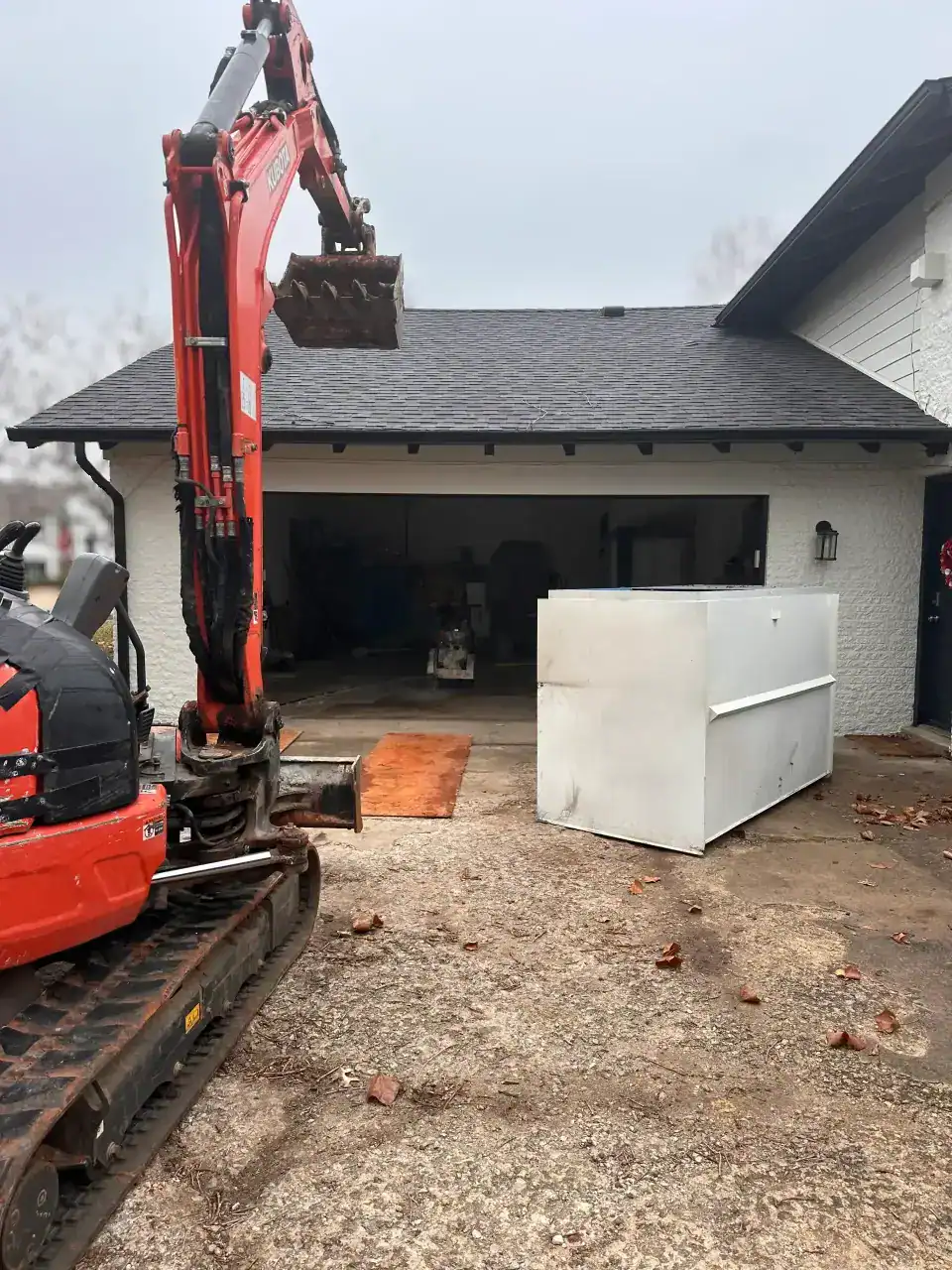
There is no one right answer for every home. An above-ground storm shelter may be better for wheelchair-accessible entry, older adults, and families who want quick access from inside the house or garage. A ground shelter may work well for families who want outdoor protection and can safely use the entry.
The right choice depends on space, budget, soil, garage layout, yard access, household size, and mobility challenges. Accessibility matters because the safest shelter is the one your family can actually use. If a design is too hard to enter, too cramped, or too far away, it may add stress when severe weather arrives.
Frequently Asked Questions About Storm Shelter Accessibility Features
What is the best storm shelter for elderly homeowners?
For many elderly homeowners, an above-ground storm shelter or safe room is easier to access because it can reduce stairs and shorten the route to safety.
Can a storm shelter be wheelchair accessible?
Yes. A wheelchair-accessible storm shelter should include a manageable entry, enough room for mobility devices, clear interior space, and an accessible route from the home.
What should I keep inside the shelter?
Keep emergency supplies such as water, food, medications, a flashlight, batteries, a phone charger, first aid items, a weather radio, pet supplies, and important documents.
What are ADA-compliant storm shelters?
ADA-compliant storm shelters, or shelters designed with ADA-style accessibility features, are intended to reduce barriers for people with disabilities or mobility challenges. This may include wider access, safer floor clearance, easier door operation, and enough room for wheelchairs, walkers, or other mobility devices. Homeowners should ask their installer which accessibility options are available for their shelter type.
Make Your Storm Shelter Safer and Easier to Access
At OKC Shelters, we believe storm safety should work for every member of your family. If you are choosing a storm shelter for elderly loved ones, people with disabilities, wheelchair users, children, pets, or service animals, our team can help you compare options that fit your home, your space, and your accessibility needs.
We offer storm shelter solutions, including garage shelters, concrete underground shelters, above-ground safe rooms, and custom shelter options. Our goal is to help Oklahoma families and the surrounding community find a secure, practical, and easily accessible refuge when severe weather moves in.
Have questions about ADA-compliant storm shelters, safe room access, professional installation, or which shelter style is right for your household? Contact OKC Shelters today at (405) 896-8080 for a free quote or consultation. We will walk you through your options and help you choose the right fit for you and your family.