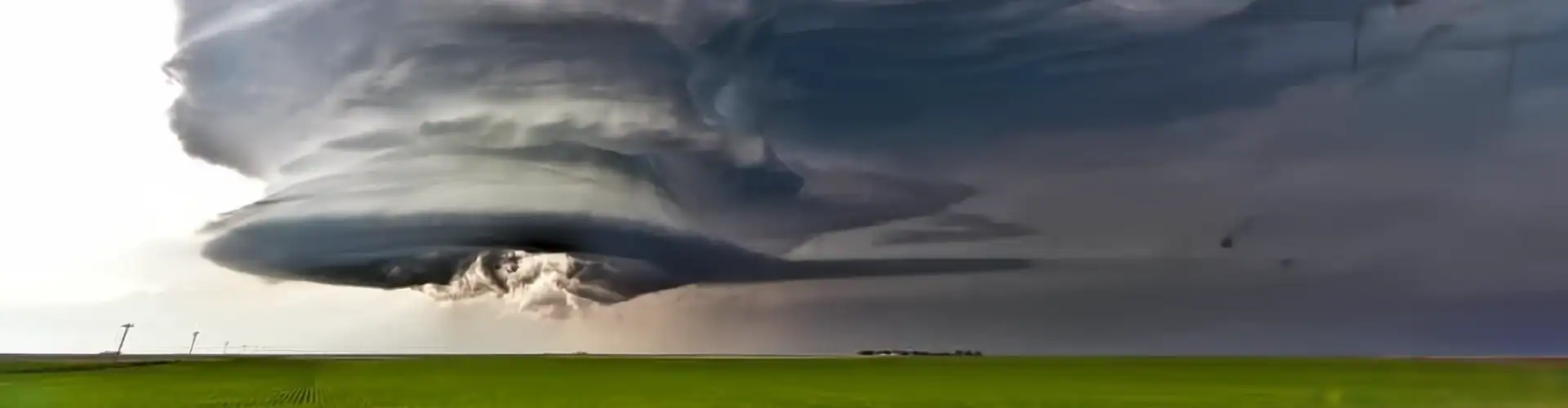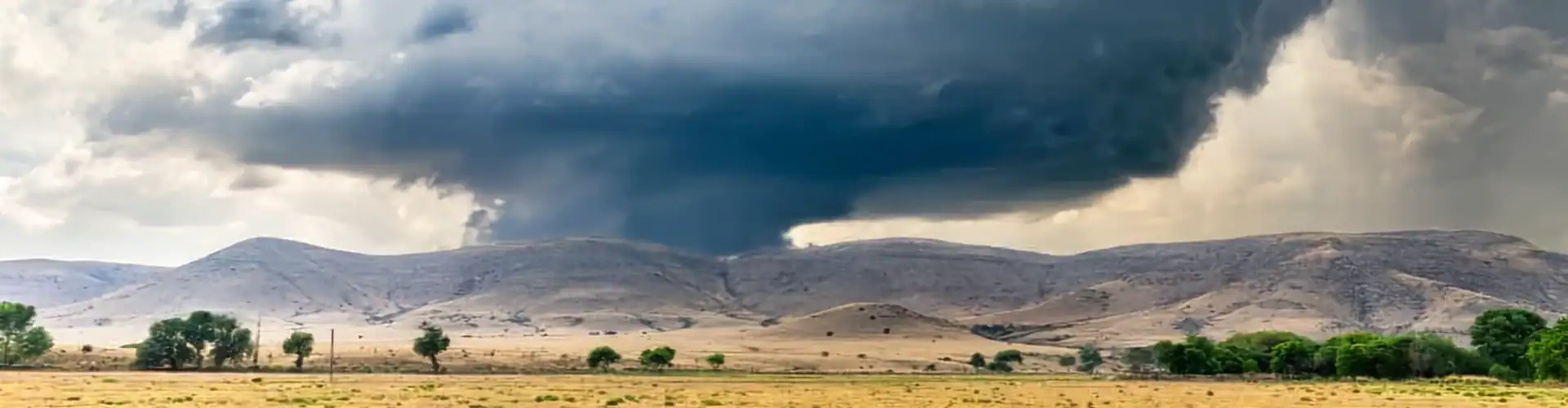
When Oklahoma weather turns fast, you do not want to run across the yard or wonder where your family should go. That is why garage storm shelters are such a practical choice for Oklahoma homeowners. A garage storm shelter gives you quick access from the house, dependable protection from a tornado, and a space-saving design that does not take over your property.
It also keeps the shelter close enough to reach quickly, even if the storm arrives at night or the weather turns rough fast. You can still use your garage, park your car, and go about normal life. But when severe weather sirens sound, your shelter is only steps away.
Why Install a Storm Shelter in Your Garage?
A garage is one of the most convenient places to install a tornado shelter because it keeps your family close to safety without forcing anyone outside. It also makes sense for everyday garage use because the shelter stays below the floor while your garage remains open for parking, storage, and normal routines. You may have children to gather, pets to bring in, or elderly family members who need help getting to shelter.
Garage shelters also preserve space. Unlike some above-ground options, underground garage storm shelters sit beneath the garage floor. That means the shelter does not take up a room in the house or sit in the backyard.
This kind of convenience matters. You get protection from flying debris, high winds, and hard substances that can be picked up and thrown during a tornado, while keeping your everyday space useful.
Types and Designs of Garage Storm Shelters
Most homeowners compare two main choices: underground shelters and above-ground safe rooms. Both can provide strong protection when properly built and installed, but they work differently.
Underground Garage Storm Shelters or In-Ground Tornado Shelters

An underground garage storm shelter or in-ground tornado shelter is a strong option for families who want protection without losing garage space. Once installed, the shelter sits below the surface of the garage floor. The installation crew cuts a hole, digs the ground, sets the shelter, and finishes the area so the door remains accessible. The door design is made for daily convenience while keeping your garage floor as usable as possible. Some models are designed so a vehicle can be parked normally in the garage while still allowing access to the shelter.
Above-Ground Garage Shelters
Above-ground options sit on top of the concrete. They may be a good fit for homeowners who want walk-in access or prefer not to use stairs. However, many families prefer underground garage shelters because of the low-profile, space-saving design.
These garage shelters may appeal to homeowners who want the shelter visible and easy to enter without opening a floor hatch.

Materials Used for Garage Storm Shelters
Many garage storm shelters use steel construction, steel doors, ventilation, stairs, and seating to make the space safer and more comfortable. Depending on the model, the shelter may include benches, storage room for supplies, and additional features.
A common garage model may require a hole around 4 x 8 feet, though the exact size depends on the shelter capacity and design.
Are Garage Storm Shelters Safe?
A garage storm shelter should be more than a metal box in the ground. It should be built, tested, and installed with safety in mind. Homeowners should look for shelters that meet or exceed FEMA guidelines, align with applicable FEMA standards and ICC 500 criteria, and have been tested for wind and debris impact.
You may also see references to past Texas Tech National Wind Institute testing or other third-party testing. This matters because debris-impact testing helps show how a shelter performs against flying debris and extreme winds. When a shelter has been properly tested, engineered, and installed, it gives families stronger confidence during severe weather.
Some companies may say their shelters exceed FEMA guidelines or recognized storm shelter criteria. That claim should be supported by testing, engineering, and professional installation.
Why Professional Installation Matters
Professional installation is one of the most important parts of the entire process. Even a strong shelter needs to be placed correctly. The crew must evaluate the garage floor, concrete thickness, access, drainage, soil, and the location of the vehicle.
For underground shelters, the process usually includes cutting the garage floor, digging the hole, setting the shelter, and backfilling around the unit. Some installations use dirt and concrete, while others may use poured concrete from a concrete truck depending on the shelter type and installation requirements. The crew may also haul away extra dirt and clean the area when finished.
Good installation helps reduce the risk of problems like shifting, floating in poor soil or water conditions, leaking, poor door operation, or unsafe access.
Garage Storm Shelter Installation Process
The process usually starts with choosing the right model and location. The installer will look at your garage, check where your car is parked, and decide where the shelter can be placed without blocking normal use. Access is important. The door should open properly, and the stairs should be easy to use.
Next, the crew cuts the concrete and begins the dig. Once the hole is ready, the shelter is placed underground. Concrete may be poured or packed around the unit, depending on the installation method. After that, the door, ventilation, seating, stairs, and final safety features are checked.
A quality installer should explain what is included, what optional add-ons are available, whether the price includes tax, and when the final payment is due.
What Size Garage Storm Shelter Do You Need?
The right capacity depends on your family, pets, and how much space you want inside the shelter. A smaller unit may fit a few people comfortably, while a larger garage shelter can fit more people and supplies.
Think about who needs protection. Will children be inside? Will pets come with you? Do you need room for a weather radio, flashlight, water, medicine, shoes, or a small storage bag? Seating matters too. Benches can make the shelter more comfortable during a long storm warning.
Cost Factors for Garage Storm Shelters
The cost of a garage storm shelter can vary based on the model, size, steel construction, installation conditions, and the current market for materials and labor. A larger unit with more capacity will usually cost more than a smaller model.
Before making a decision, ask what is included. Does the price include installation? Does it include tax? Are benches, stairs, ventilation, and steel doors standard? Are there optional add-ons? When is the final payment required?
What to Keep Inside Your Garage Storm Shelter
A shelter works best when it is ready before the storm arrives. Keep the basics inside or nearby: water, flashlight, batteries, weather radio, phone charger, first-aid kit, medications, sturdy shoes, pet leash, and important documents.
You do not need to overfill the shelter. Leave enough room for people to sit and move. It is also smart to register your storm shelter location with your local fire department or emergency management office. That can help first responders know where to look after a major tornado or heavy debris event.
Is a Garage Storm Shelter Right for Your Home?
A garage storm shelter may be right for your home if you want strong protection, fast access, and a shelter that does not take over your living space. It is especially useful for families who want to avoid running outside during bad weather.
The right shelter should feel dependable, practical, and built for real life. You should be able to use your garage, park your car, protect your family, and feel confident when severe weather is in the forecast.
Frequently Asked Questions About Garage Storm Shelters
Can you put a storm shelter in a garage?
Yes. Many homes can have a storm shelter installed in the garage, depending on the garage floor, available space, slab condition, and shelter model.
Can I park my car over a garage storm shelter?
Some garage shelters are designed so a vehicle can be parked normally while still allowing access to the shelter. Always confirm this with the installer and the specific model.
Do garage storm shelters meet FEMA standards?
A shelter should be designed, tested, and installed to meet or exceed FEMA standards and ICC 500 storm shelter criteria. Ask for details about testing, construction, and installation before choosing a unit.
Get a Garage Storm Shelter Built for Your Home
Oklahoma weather does not give much warning, and when the sirens sound, your family deserves a safe place that is close, easy to reach, and built to protect. A garage storm shelter gives you that peace of mind without taking over your home or yard.
Whether you are in Oklahoma City, Moore, Norman, Edmond, Yukon, Mustang, or a nearby community, OKC Shelters can help you choose the right model, review your garage space, and complete a professional installation you can feel confident about.
Do not wait until the next round of severe weather is already on the radar. Get a garage storm shelter installed underground, keep your family protected, and know exactly where to go when Oklahoma storms roll in. Contact OKC Shelters today at (405) 896-8080 to ask about available models, installation options, and your rock solid assurance policy.