When extreme weather is on the way in Oklahoma, your family needs more than a strong house. Tornadoes, hurricanes, high winds, flying debris, and falling debris can damage roofs, walls, garages, and other structures in minutes.
That is why many homeowners compare concrete vs steel storm shelters, tornado shelters, and safe room options before choosing the right protection for their home.
Both a concrete storm shelter and a steel storm shelter can provide dependable protection when properly designed and installed. The better choice depends on your location, foundation, budget, and how quickly your family can reach the shelter when warnings sound.
At OKC Shelters, we help Oklahoma families choose storm shelter options that fit real homes, real weather risks, and real safety needs.
Why Storm Shelter Design Matters
A storm shelter is built to protect people during natural disasters. It must handle wind pressures, uplift forces, debris impact, and long periods of severe weather.
The material matters, but it is only one part of the safety system. The shelter’s structural integrity depends on how the door, roof, walls, foundation, ventilation systems, and anchoring work together to provide refuge during emergencies. A shelter made from strong material can still fail if it is not installed correctly.
The Federal Emergency Management Agency (FEMA) provides construction guidance for safe rooms, and the International Code Council (ICC) includes standards for storm shelter design. Impact testing, including research associated with Texas Tech, also helps show whether a shelter can stand up to debris during tornadoes and hurricanes.
In simple terms, the safest shelter is not just about concrete or steel. It is about having a properly tested, properly installed structure your family can reach quickly when Oklahoma weather turns serious.
What Is a Concrete Storm Shelter?

A concrete storm shelter is usually built with reinforced concrete, concrete walls, concrete masonry units, or precast concrete sections. Some are installed below ground, while others are built into a basement, garage, or new home construction.
Concrete has long been trusted because of its weight, strength, and ability to resist heavy impact when properly designed. That is why many people feel safe inside a concrete shelter. It can be a good choice for underground shelters, community shelters, hurricane shelters, and larger safe room designs.
A concrete storm shelter may also work well for new construction. If the home is still being planned, the shelter can be built into the foundation or structure from the beginning.
Like any shelter material, concrete needs the right installation and care. It can crack if the ground shifts or if the structure is not reinforced correctly. It can also absorb moisture if it is not properly sealed. In flood-prone areas, underground concrete storm shelters need extra care because water can collect around or inside the shelter. Good drainage, waterproofing, ventilation, and regular maintenance help keep the shelter ready when your family needs it, especially in areas with moisture concerns and extreme temperature fluctuations.
What Is a Steel Storm Shelter?
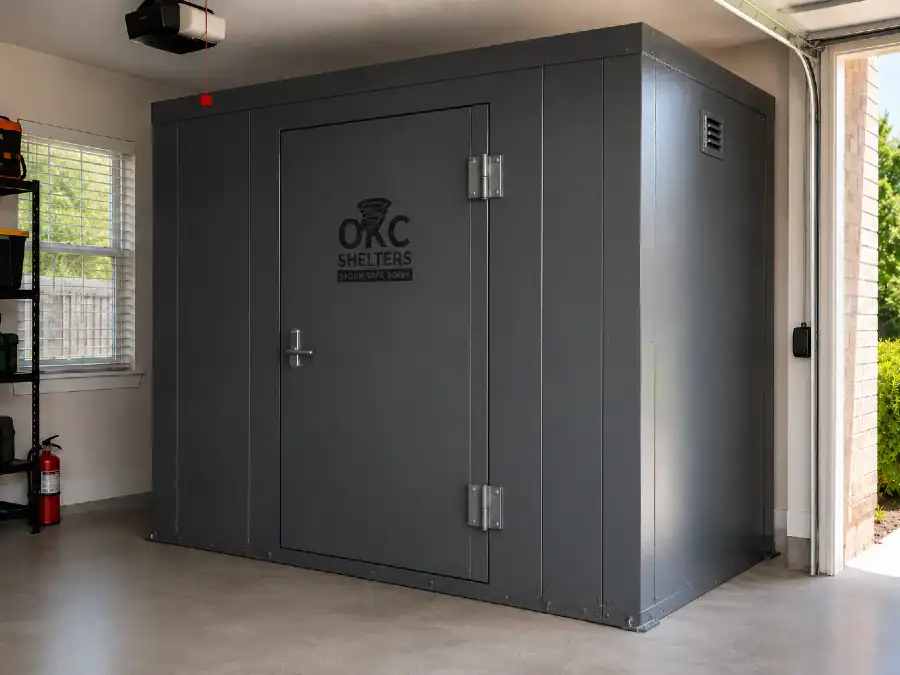
A steel storm shelter is made from heavy-duty steel panels or welded steel construction. Many above-ground storm shelters use steel because it is strong, compact, and easier to install in an existing home.
A steel shelter is often placed in a garage, inside the house, or on a concrete slab. This makes it easier to reach when a storm warning is issued.
For families with children, pets, or older adults, easy access can make all the difference. You do not have to go outside. You do not have to run across the yard. You can take shelter quickly and stay protected.
A steel safe room can also provide strong impact resistance when it has been successfully tested and anchored correctly. It can protect against debris, high winds, and storm conditions.
Steel usually requires minimal upkeep, especially when it has quality coatings and a proper installation. The coating, bolts, seams, ventilation, and door should still be checked. If the coating is damaged, moisture can lead to rust.
A steel storm shelter also needs the right foundation to perform the way it should. If it is installed above ground, it must be anchored to a suitable concrete slab to resist uplift forces.
Concrete vs Steel Storm Shelters: Quick Comparison
Both storm shelter options can protect your family. The difference is how each one fits your home, location, and safety needs.
| Comparison Point | Concrete Storm Shelter | Steel Storm Shelter |
|---|---|---|
| Best use | Underground shelters, basements, new construction, community shelters | Above-ground shelters, garage safe rooms, existing home installations |
| Strength | Strong when built with reinforced concrete or concrete masonry units | Strong when engineered, impact tested, and anchored correctly |
| Flying Debris protection | Can resist flying debris and falling debris when properly built | Can resist debris when successfully tested |
| Installation | Usually more involved and may require excavation or major construction | Often faster to install on an existing concrete slab |
| Access | May require stairs or outdoor access if underground | Usually easier to access inside a garage or house |
| Moisture | Can have moisture intrusion if not properly sealed | Does not absorb moisture like concrete, but coatings should be maintained |
| Flooding risk | Greater concern for underground shelters in flood-prone areas | Above-ground placement may reduce flooding concerns |
| Maintenance | May need sealing, crack checks, and drainage care | Usually needs minimal upkeep, but bolts, seams, and coating should be checked |
| Foundation | Must be tied into the foundation or surrounding construction | Must be anchored to a suitable concrete slab |
| Best homeowner fit | Good for permanent or larger shelter designs | Good for fast access and practical protection in an existing home |
The main takeaway is simple.
Concrete often works well for underground or permanent structures. Steel often works well for above-ground storm shelters where easy access and faster installation matter.
Which Shelter Is Safer?
A concrete shelter is not automatically safer than a steel shelter, and a steel shelter is not automatically safer than concrete.
The safer option is the one that is properly designed, tested, anchored, ventilated, and installed. It should be built to handle extreme weather, impact resistance, wind pressures, and uplift forces.
For maximum protection, ask whether the shelter follows recognized construction guidance, has passed impact testing, and is installed by trained professionals.
Also check the door. A strong wall will not protect your family if the door system is weak. The door, frame, hinges, locks, and ventilation all matter.
Above Ground vs Underground Shelters
The choice between above-ground and underground shelters is important.
Underground shelters are often made from concrete. They can feel secure because they are below ground. But they may require stairs, outdoor access, and extra moisture control.
Flooding is also a concern in some locations, especially for properties with poor drainage or an increased risk of standing water after heavy storms. If your property has poor drainage or is in a flood-prone area, an underground shelter must be carefully planned and properly sealed.
Above-ground storm shelters are often made from steel. They are popular with Oklahoma homeowners because they can be installed in a garage or inside the home. They are popular because they can be installed in a garage or inside the home. This gives your family faster access when tornado warnings sound and every minute matters.
When Concrete May Be the Better Choice
A concrete storm shelter may be the right solution if you are building a new home or want a permanent structure. It may also be a good fit if you want an underground shelter, a basement safe room, or a larger refuge for your family.
Concrete can also work well for community shelters and hurricane shelters where more space is needed.
Choose concrete if you want a solid, built-in shelter and your property can handle the construction, drainage, and maintenance needs.
When Steel May Be the Better Choice
A steel storm shelter may be the better choice if you already have an existing home and want a faster installation. It is often a practical option for a garage, interior room, or above-ground location. This can be helpful when your family needs to get inside quickly.
Steel may also be better if you want easy access and less concern about underground flooding.
Choose steel if you want a compact, strong, and accessible shelter that can be installed on a suitable concrete slab.
What to Look for Before You Buy
Before buying any shelter, ask whether it has been tested or designed to meet recognized safety standards. Look for references to FEMA guidance, ICC 500, impact testing, and wind resistance. Ask whether the full assembly has been tested, including the door and hardware. A strong wall does not help much if the door fails.
Also think about real-life use. Can your family get inside quickly? Is there enough room for everyone? Is the ventilation adequate? Can the shelter be used for an extended period if needed? Is it in a location that stays accessible during storms? Will flooding, moisture, or foundation issues create problems?
The best storm shelter is not always the biggest or most expensive one. It is the one that fits your home, your family, and your local risk.
If you are unsure what your home can support, OKC Shelters can help you compare your options, look at your installation location, and choose a shelter that makes sense for your family.
Get Storm Ready with OKC Shelters
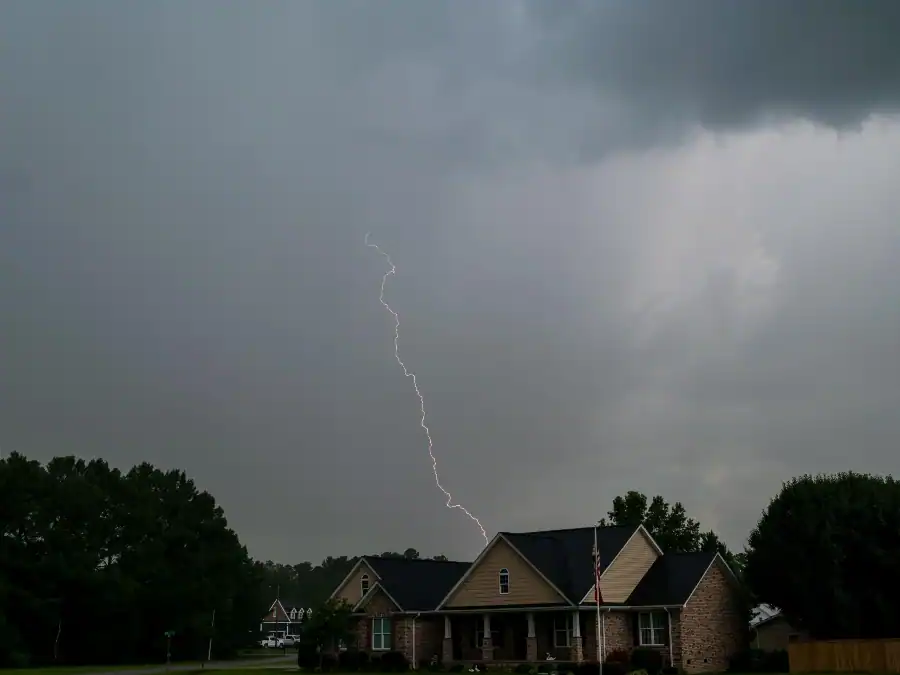
When comparing concrete vs steel storm shelters, there is no single best answer for every home. The right choice depends on your property, your family, your access needs, and the kind of protection you want when severe weather moves in.
That is where OKC Shelters can help.
Our team helps Oklahoma homeowners compare storm shelter options, including concrete storm shelters, steel storm shelters, above-ground safe rooms, garage shelters, and underground shelters. We can walk you through what makes sense for your house, your foundation, and your safety goals.
Whether you want a permanent concrete shelter or a steel safe room with quick access, the goal is the same: dependable protection when it matters most.
Don’t wait until the next warning to think about where your family will go. Contact OKC Shelters today at (405) 896-8080 to get a quote, ask questions, and find the storm shelter that fits your home.