When the sky turns dark in Oklahoma, schools do not have much time to decide where everyone should go. That is why school storm shelter requirements in Oklahoma involve more than simply having a sturdy room somewhere on campus.
The National Oceanic and Atmospheric Administration (NOAA) confirmed 1,197 tornadoes across the U.S. in 2023, and Oklahomans still remember the May 20, 2013 EF5 tornado that crossed Newcastle, south of Oklahoma City, and Moore, taking 24 lives.
At OKC Shelters, we help Oklahoma families and small businesses with concrete storm shelters, garage shelters, safe rooms, and custom shelters and bunkers. School facilities have more specialized requirements, but the goal is the same: dependable protection when tornadoes and high winds are coming.
Are Storm Shelters Required in Oklahoma Schools?
Not every school building automatically needs a tornado shelter. The requirement depends on occupancy classification and occupant load.
Under Oklahoma’s current International Building Code provisions, Group E educational occupancies with an occupant load of 200 or more generally must have an ICC 500-compliant storm shelter, subject to specific exceptions. Oklahoma’s adopted 2024 IBC, effective September 14, 2026, retains the 200-person threshold.
Day care facilities and certain educational occupancies connected with religious activities are among the exceptions. Additions to existing schools can also be treated differently.
School districts should confirm which adopted code applies before construction begins. The minimum requirements are a starting point, not a substitute for project-specific review by officials and engineers.
A Regular Safe Area Is Not Automatically a Storm Shelter
A hallway, interior classroom, basement, or reinforced room may be safer than a room with exterior windows, but that does not automatically make it a code-compliant storm shelter.
ICC 500 establishes minimum requirements for the design, construction, installation, and inspection of storm shelters. It addresses structural integrity along with occupant safety, including the foundation, anchor systems, walls, roof, doors, ventilation, accessibility, emergency lighting, signage, sanitation, and protected openings.
FEMA P-361 provides guidance for residential and community shelters, while FEMA-funded projects must also meet FEMA funding criteria. A room called a safe room does not automatically satisfy every permit, engineering, testing, or compliance requirement.
How Is School Shelter Capacity Determined?
A school storm shelter is not sized by estimating how many students can squeeze inside. Required capacity is determined under the applicable code.
Oklahoma requires a minimum tornado shelter design wind speed of 250 mph statewide, and the adopted 2024 provisions continue that requirement. Enrollment and staff numbers must be submitted on district or school letterhead and signed by the owner or authorized agent.
ICC 500 also addresses usable floor area and accessibility for community shelters. Facilities must account for occupants with disabilities, including wheelchair spaces, and community storm shelters must meet applicable accessibility requirements. FEMA guidance also emphasizes planning for equal access.
School assemblies, enrollment, additions, and existing shelters can affect capacity. Location matters too: students should be able to reach safety quickly. A school shelter is not automatically sized to cover every family, pet, first responder, or member of the surrounding community.
What Does a School Storm Shelter Need to Withstand?

Oklahoma tornadoes can produce extreme winds and dangerous flying debris. School shelters are built around those hazards rather than ordinary weather protection.
Oklahoma’s adopted 2024 provisions establish a minimum tornado shelter design wind speed of 250 mph statewide. FEMA safe-room guidance also uses extreme-wind criteria up to 250 mph. The entire school does not have to withstand winds at that level; the designated shelter does.
Debris impact protection is just as important. Under the 2023 ICC 500 standard, the tornado-shelter test missile is a 15-pound 2×4. For a 250 mph tornado design speed, vertical shelter surfaces are tested against a 15-pound 2×4 traveling at 100 mph, while horizontal surfaces are tested at 67 mph. This is why tested doors, wall assemblies, roof systems, and protected openings matter.
Reinforced insulating concrete form, or ICF, walls can add thermal efficiency and have been used in FEMA case studies to resist high-wind pressure and windborne debris. Still, the complete shelter must meet applicable engineering and testing requirements.
Above-ground shelters can avoid some below-grade flooding concerns, but flood hazards and site conditions still matter.
At OKC Shelters, we see the same principle in residential installation: strong materials are only part of the system. Anchors, doors, foundation connections, and location all have to work together.
Building Permits, Engineering Documentation, and Inspection
A school cannot simply have a shelter installed and assume the project is complete.
The Oklahoma State Fire Marshal says tornado and storm shelter construction must follow the codes and references adopted or modified by the Oklahoma Uniform Building Code Commission. Within the Oklahoma State Fire Marshal’s jurisdiction, each safe room or storm shelter requires a separate permit, even when it is located inside another permitted building.
Storm shelter plans undergo peer review before State Fire Marshal submittal. Documentation can include plans, calculations, special-inspection information, quality-assurance records, and compliance statements. Engineering plans must be prepared and stamped as required by licensed professionals. Oklahoma law also treats elementary and secondary schools above specified occupant loads as significant structures for professional engineering purposes.
The manufacturer, contractor, architects, and engineers should coordinate early, resolve peer-review conflicts, and have required reports ready for final inspection.
Storm shelter regulations can vary by jurisdiction, so school districts in Oklahoma City and other cities or counties should confirm current permit and inspection requirements before construction begins.
Good School Safety Goes Beyond Construction
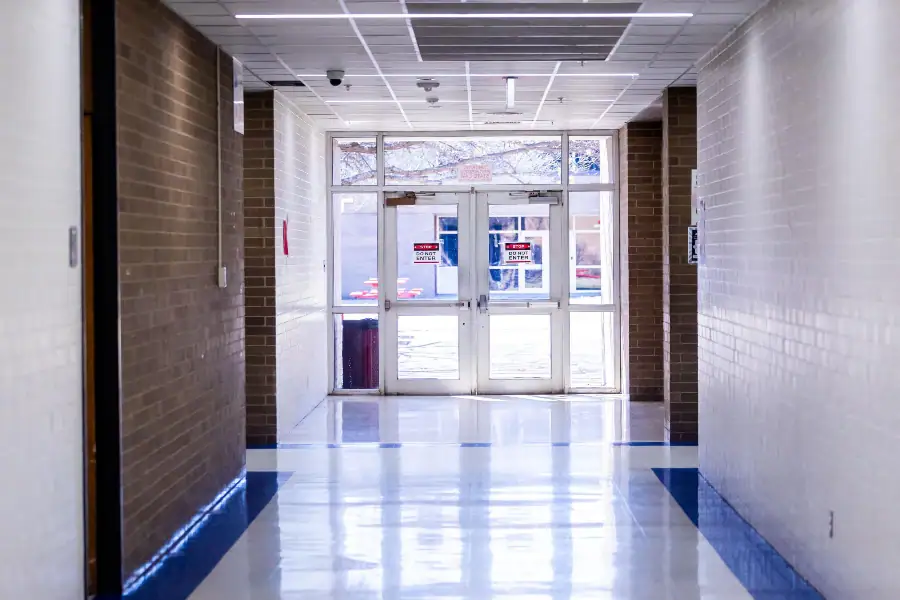
The physical shelter is only one part of tornado safety. People also need to know how to use it.
Oklahoma Homeland Security guidance says public schools conduct at least two tornado drills each school year, including one in September and one in March. Procedures should cover movement, accountability for children and students, assistance for occupants with disabilities, and communication with first responders.
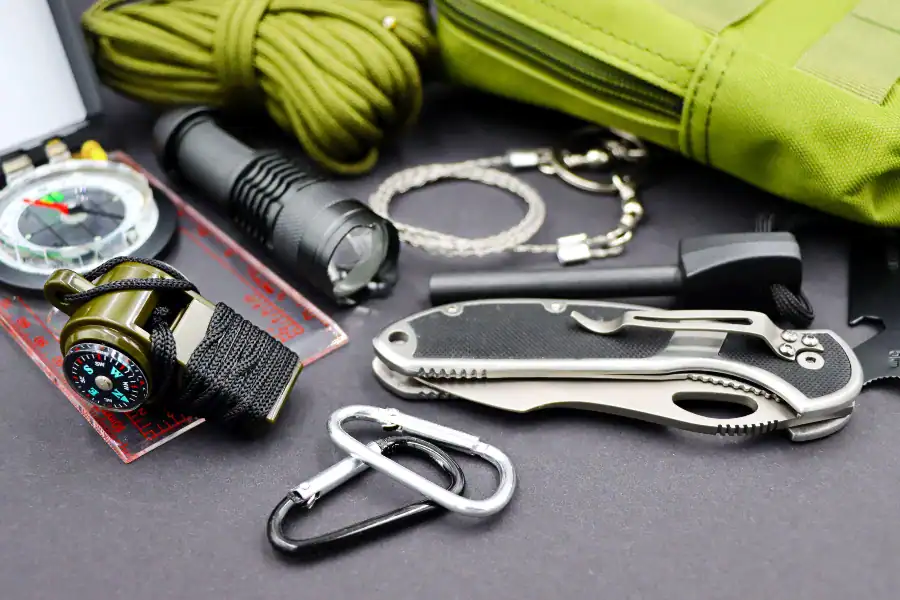
An emergency kit can include water, first-aid materials, flashlights, radios, batteries, sanitation supplies, and backup power for communication technologies. Emergency lighting matters if normal power fails.
Tornadoes can happen during classes, activities, or at night. Awareness and practice turn a well-built room into part of a workable disaster plan.
What Should School Districts Know About Existing Schools and Additions?
Existing buildings can be evaluated under different provisions than new construction. Oklahoma’s rules direct additions to Group E occupancies to the International Existing Building Code. The exact requirement can depend on project scope, occupancy, existing shelter capacity, and decisions by the building official.
Districts planning additions should address storm shelter compliance early to avoid expensive redesign. A shelter may also serve another everyday function when it is not needed during a disaster, but normal use cannot compromise its capacity, access, protective structure, doors, or safety systems.
That flexibility can make a shelter easier to work into the school’s everyday layout. Whatever the space is used for during normal school hours, it still has to remain ready to serve its primary safety function when severe weather arrives.
Keep the Shelter Ready After Installation
Once a shelter is installed and inspected, it still needs attention. Doors should work properly, access routes should remain clear, emergency supplies should be checked, lighting tested, and important equipment maintained. Required documentation should remain protected and available.
Awareness is part of readiness too. New students and staff should know the shelter location and how to get there.
The same basic readiness principle applies to every household. At OKC Shelters, we encourage families to decide who is responsible for children, pets, weather alerts, and the emergency kit before sirens sound. Whether a shelter serves one family or hundreds of students, being prepared removes decisions when minutes matter.
Frequently Asked Questions About School Storm Shelters in Oklahoma
Are Storm Shelters Required in Every Oklahoma School?
No. The requirement generally applies to Group E occupancies with an occupant load of 200 or more, with specific exceptions. Existing facilities and additions may be evaluated under separate provisions.
Does a School Tornado Shelter in Oklahoma Have to Meet ICC 500?
When the International Building Code requires a Group E storm shelter in Oklahoma, it must be constructed in accordance with ICC 500. A normal interior room should not be treated as a compliant tornado shelter unless it meets the applicable requirements.
Do School Storm Shelters Need a Permit?
A permit and plan review can be required. The Oklahoma State Fire Marshal requires a separate permit for storm shelters within its jurisdiction and identifies related peer review, inspection, and documentation requirements.
Can a School Safe Room Have Another Use?
Generally, a properly designed shelter can serve another daily function, but that use cannot interfere with required capacity, access, structural protection, or emergency operation.
What Supplies Belong in a School Storm Shelter?
Useful resources include water, first-aid supplies, flashlights, weather radios, batteries, and communication equipment. The exact mix should reflect the school’s emergency plan and the number of occupants the shelter serves.
Prepare Before the Storm Arrives
Oklahoma schools live with a weather reality that much of the country does not face in quite the same way. A strong tornado plan is not just about having somewhere to go. It is about having a shelter that is properly designed, permitted, installed, inspected, accessible, and supported by practiced procedures.
For districts, that means working with qualified engineers, architects, code officials, contractors, and manufacturers early.
At OKC Shelters, our work focuses on helping Oklahoma families and small businesses prepare with concrete shelters, garage storm shelters, safe rooms, and custom shelters and bunkers. If you need storm protection for a home or small-business property in Oklahoma City or elsewhere in our service area, just call us or request a consultation at(405) 896-8080, and we can help you compare options, plan the location, and understand the installation process before the next round of severe weather.