A basement safe room conversion can be a smart way to turn part of your existing basement into a stronger, more dependable place for taking shelter during severe weather, natural disasters such as tornadoes or hurricanes, or even certain security concerns. For many property owners, the idea makes sense because the basement is already part of the house, already below the main floor, and often has unused storage space that could become a more practical safety area.
But a regular basement is not automatically a safe room. The walls, ceiling, door, floor, and overall structure all matter. A finished room, a closet, or one of the laundry rooms downstairs may feel protected, but it may still need proper reinforcement before it can offer dependable protection against tornado-force winds, flying debris, or possible structural collapse.
What Is a Basement Safe Room Conversion?
A basement safe room conversion means improving an existing room or section of the basement so it can better protect occupants during emergencies. This may include strengthening the basement walls, reinforcing the ceiling, improving the door and frame, planning ventilation, and making sure the space is properly anchored and supported.
Some homeowners want a weather-focused storm shelter. Others want a security-focused panic room. Some want both. The right plan depends on the existing home, the basement layout, the type of construction, the condition of the concrete, and how many people need to fit inside.
A basement safe room is different from simply hiding in the basement. The purpose is to have a defined interior room with stronger materials, safer access, and enough planning to support people during an emergency.
Why Basements Are Popular for Safe Room Conversions
A basement is often one of the first places homeowners consider when planning a storm or tornado shelter. Since it is below the main level of the whole house, it may offer a more protected starting point than a first-floor bedroom, hallway, or interior closet.
Basements can also feel more convenient. When a storm warning comes through, your shelter needs to be easy to reach. If the location is too far away, outside, or difficult to access, your family may lose valuable time. A basement safe room can provide indoor access via the stairs, which matters when heavy rain, hail, or wind is already hitting the house. In Oklahoma, that quick indoor access can make a real difference when storms build fast, and families only have a short time to move to safety.
Another benefit is privacy. Basement safe rooms can double as an organized storage space, an emergency supply area for specific needs, or even a discreet panic room for homeowners concerned about home invasions. It does not need to look dramatic. The best setup is one your family can use quickly, without feeling like it takes over the basement.
Is Your Existing Basement a Good Candidate for a Safe Room?
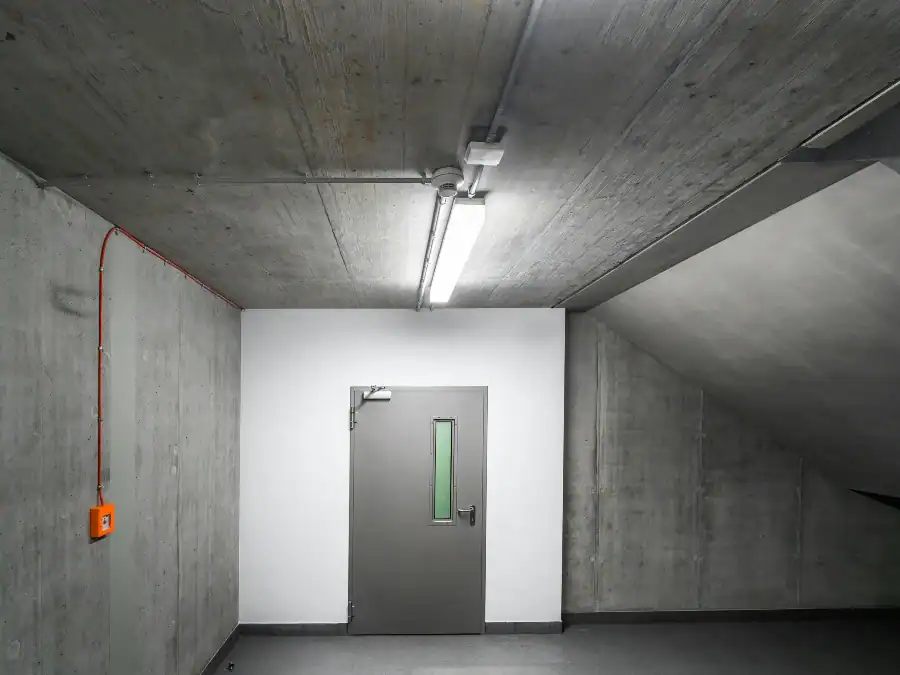
Not every basement is ready for a safe room conversion. Before work begins, the space should be reviewed carefully. The existing walls, foundation condition, moisture level, overhead framing, and access points all affect whether the space can be safely upgraded.
A good candidate is usually an interior room or corner of the basement with limited openings, solid surrounding support, and enough room for the expected occupants. The area should be easy to reach from the main living area, but not placed where falling debris, blocked stairs, or water problems could make access unsafe.
Moisture is another major concern. A basement that leaks during heavy rain may not be the best place to install a safe room until drainage or waterproofing issues are fixed. Water can weaken finishes, damage supplies, and create problems when the room is needed most.
You also need to think about local building codes. Depending on the project, your city or county may have requirements for permits, structural work, electrical updates, or ventilation. A safe room is not just another remodeling project. It is a safety project, and the details matter.
Key Features of a Basement Safe Room Conversion
A strong safe room starts with the basics: four walls, a secure door, a dependable ceiling, and a stable floor. In some cases, homeowners may use reinforced concrete, concrete masonry, steel components, or other engineered materials to improve strength.
The walls are one of the most important parts of the project. If the existing basement walls are already concrete, they may still need to be evaluated for cracks, water intrusion, and overall structural integrity. If the safe room uses framed interior walls, those walls may need added reinforcement so they are not the weak point of the space.
The ceiling also deserves attention. Many people focus on basement walls because they are surrounded by ground, but danger can also come from above. If part of the house collapses, the ceiling may be exposed to heavy loads or debris from the upper levels and roof. Proper design helps reduce that risk.
The door should not be treated like a normal interior door. A safe room may need a tested steel door, heavy-duty frame, strong hinges, and reliable locking hardware. If the door fails, the room loses much of its protective value.
Ventilation matters too. A safe room should not feel like a sealed box. Good ventilation and properly planned ventilation systems help make the room more comfortable when several people are inside. This is especially important for children, older adults, pets, or anyone with health concerns.
Basement Safe Room Conversion for Storm Protection and Home Security
In Oklahoma and other storm-prone areas, a basement safe room is often planned with tornado safety in mind. During extreme weather, dangerous wind can send flying debris through windows, doors, exterior walls, and even parts of the roof. A stronger shelter area gives your family a place to go before conditions get worse.
A basement safe room can also provide added security during emergencies like home invasions. Since a basement location is private, quiet, and often away from the main entry points of the house, it can work well for homeowners who want a space that functions as both a storm shelter and a panic room.
For storm protection, the structure, anchors, walls, ceiling, and door should be planned carefully, especially when the goal is protection from tornado-force winds and flying debris. Some projects may be designed with FEMA guidance, ICC 500 criteria, or other recognized storm shelter guidelines in mind. For security, the room may include a stronger door, communication access, backup power, emergency lighting, organized emergency supplies, or even storage for important documents, valuables, emergency items, or a properly secured gun safe.
The room should also have an escape route plan. That does not always mean a second door, but your family should know how to enter, how to communicate, and what to do if the main path is blocked.
Tornado safety is not just about being below ground, and home security is not just about having a locked space downstairs. A safe room is most useful when it is reinforced properly, easy to reach, and part of a plan your family already understands.
Basement Safe Room Conversion Cost Factors
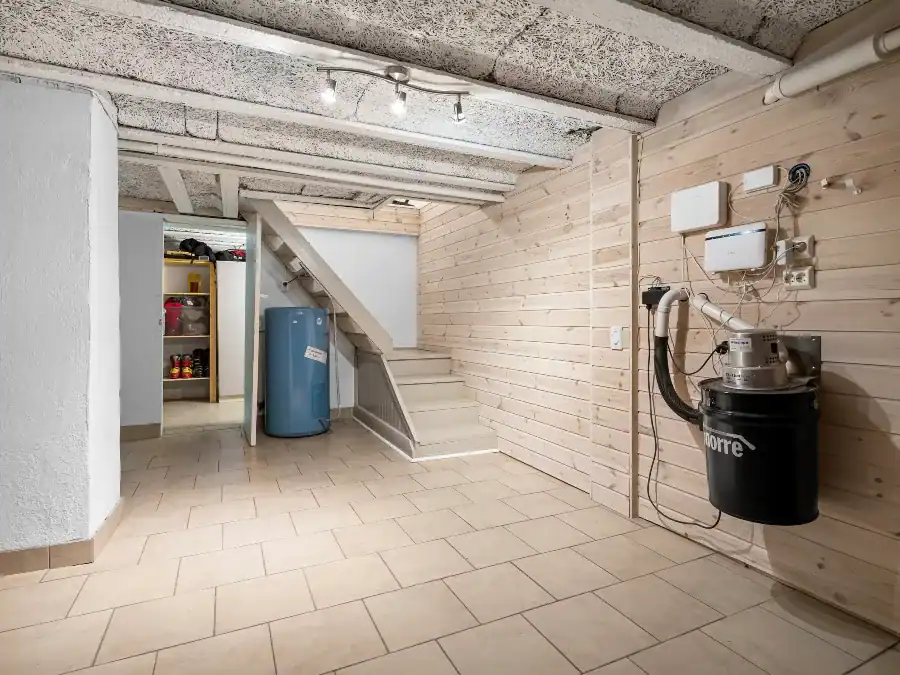
The cost of a basement safe room conversion depends on your basement, your goals, and how much reinforcement the space needs. A simple security upgrade may cost less than a storm-rated shelter designed for tornado protection.
The existing foundation and slab matter. If the floor is a strong concrete slab, it may provide a better base for anchoring. If the slab is cracked, uneven, or thin, repairs or additional work may be needed. The same is true for the walls. Strong concrete walls may be helpful, but damaged or unreinforced areas can increase the scope of the project.
The number of occupants also affects size. A room for two people will have different space needs than a room for a large family. You should also account for pets, medical items, water, flashlights, and other emergency supplies.
If you are planning new construction or a new build, it is often easier to include a safe room from the beginning. That allows the builder to plan the slab, walls, location, ventilation, and access before finishes are installed. For an existing home, the project may require more careful planning around existing utilities, stairs, layout, and basement finishes.
The Basement Safe Room Conversion Process
A good conversion usually begins with an inspection. The basement’s walls, floor, ceiling, moisture conditions, utilities, and access points should be reviewed before any design is finalized.
Next comes planning. This includes choosing the room location, deciding how many people need to fit inside, selecting materials, reviewing door options, and considering ventilation. If the room is being designed for storm protection, this is also the time to discuss FEMA standards, anchoring, and wind-related performance.
After that, the space may need preparation. This can include clearing storage, addressing water concerns, improving the concrete slab, or making repairs to the existing walls. Once the space is ready, the reinforcement, door, ventilation, lighting, and safety features can be installed.
The final step is making the room easy to use. Store emergency supplies where they are visible and organized. Make sure every family member knows where to go when taking shelter. Practice the route from the first floor to the basement. A safe room is most valuable when your loved ones can reach it quickly and calmly.
Mistakes to Avoid When Converting a Basement Into a Safe Room
One common mistake is treating a safe room like a simple DIY project. A finished basement closet with a stronger lock is not the same as a properly reinforced shelter.
Moisture problems should also be fixed first. A basement that leaks during storms can damage materials, weaken stored supplies, and make the room less dependable.
The door, frame, ventilation, and location matter too. A safe room should be easy to reach, large enough for your family, and planned so it stays usable when an emergency happens.
Should You Hire a Professional for a Basement Safe Room Conversion?
A basement safe room conversion is more than a basement remodeling project. It may involve reinforced walls, a steel door, slab anchoring, ceiling reinforcement, ventilation systems, electrical work, and local building codes. The space also needs to fit your home’s layout, basement condition, and family’s safety needs.
At OKC Shelters, we help Oklahoma property owners decide whether a basement safe room conversion, above-ground safe room, garage storm shelter, or custom tornado shelter is the right fit. Our team looks at the details that matter, including access from the first floor, usable space, existing walls, concrete slab condition, moisture concerns, and shelter location. If another shelter option would be safer or more practical for your home, we will help you understand that too.
A safe room needs more than four walls and a door. With OKC Shelters, homeowners get practical guidance and shelter options built around Oklahoma weather, so they can feel more prepared before the sirens sound.
Basement Safe Room Conversion FAQs

Can I turn my basement into a safe room?
Yes, many basements can be converted into a safe room, but the existing basement must be evaluated first. The walls, ceiling, floor, moisture level, access, and structural integrity all matter.
Is a basement safe room good for tornado protection?
A properly designed and reinforced basement safe room can improve tornado protection, especially when the room, door, anchoring, ventilation, and location are planned with recognized storm shelter guidance in mind.
What is the difference between a safe room and a storm shelter?
A safe room may be designed for storms, security, or both. A storm shelter is mainly focused on severe weather and tornado protection. Some rooms can serve both purposes when properly designed.
Get Storm Ready With OKC Shelters
Your basement may already have the existing space needed for a safer room, but the right plan makes all the difference. Whether you are considering a basement safe room conversion, garage storm shelter, above-ground safe room, or custom tornado shelter, OKC Shelters can help you choose a solution that fits your home and your family.
When severe weather moves across Oklahoma, you should not have to wonder where your loved ones will go. You should have a safe place ready, a plan everyone understands, and a shelter built with safety in mind.
Contact OKC Shelters today at (405) 896-8080 to talk about your basement safe room conversion or another storm shelter option for your home.
Get your quote from OKC Shelters and get storm-ready today.