When severe weather is part of life, having a dependable place to go can change how you feel when the forecast turns rough. For many Oklahoma homeowners, a backyard storm shelter provides protection close to home without using valuable interior space.
A backyard storm shelter installation takes more than choosing a shelter and digging a hole. The installation site, soil, drainage, access, utilities, local rules, and the home’s layout all matter. With careful planning, the finished space can give family members quick access when tornado warnings are issued.
At OKC Shelters, we help families throughout central Oklahoma choose storm protection that works for their property. Whether that means an outdoor concrete shelter, garage model, above-ground storm shelter, or custom safe room, the goal is simple: make it easier to get secure when severe storms arrive.
Why Put a Storm Shelter in the Backyard?
A backyard can be practical when there is enough room and a clear route from the house, especially for Oklahoma homes where homeowners do not want to cut into a garage floor.
The most important question is access. During severe weather events, you do not want the shelter so far away that reaching it becomes difficult. Quick access and quick entry matter, especially for families with young children, older adults, pets, or anyone who may have difficulty with stairs.
Depending on the yard and soil, the right choice might be an underground storm shelter, concrete storm cellar, or another outdoor shelter designed for the property. It should fit the people using it while leaving enough room for emergency supplies and comfortable movement.
The size of the shelter is just as important. FEMA guidance recommends planning enough usable space for everyone who will use the shelter. While ICC 500 provides minimum occupant-area requirements, homeowners may want additional room for comfortable movement, emergency supplies, and anyone with mobility or accessibility needs. That makes household size an important part of choosing the right shelter rather than simply selecting the smallest model that fits the ground available.
Above Ground or Underground: Which Setup Makes Sense?
Both an above-ground shelter and an underground option can provide strong tornado protection when properly designed and installed. The better choice depends on access, space, drainage, ground conditions, and personal preference.
An above-ground storm shelter can be practical when easy access is the priority. A safe room offers ground-level entry without stairs, which may work better for people with mobility concerns. Properly designed units use strong assemblies, including reinforced steel in many models, to create a protected room against high winds and flying debris.
Underground shelters are another familiar Oklahoma choice, either in a backyard or beneath a garage floor. With a below-ground storm shelter, water and soil conditions are especially important. Low-lying areas, poor drainage, or a high water table can increase the risk of flooding or complicate excavation.
For most people, cost is also part of the decision. An underground storm shelter can cost more to install than some above-ground options because excavation, soil conditions, equipment access, backfilling, and drainage add to the installation process.
How do underground storm shelters work? By placing the protected space below grade, an underground shelter reduces direct exposure to windborne debris. But being underground does not make every installation automatically safe. The enclosure, door, vents, surrounding soil, drainage, and entry all need to work together.
At OKC Shelters, we offer concrete shelters, garage shelters, above-ground safe rooms, and custom solutions, so homeowners can choose a design that makes sense for their site instead of forcing one option into every home.
Choosing the Right Backyard Installation Site
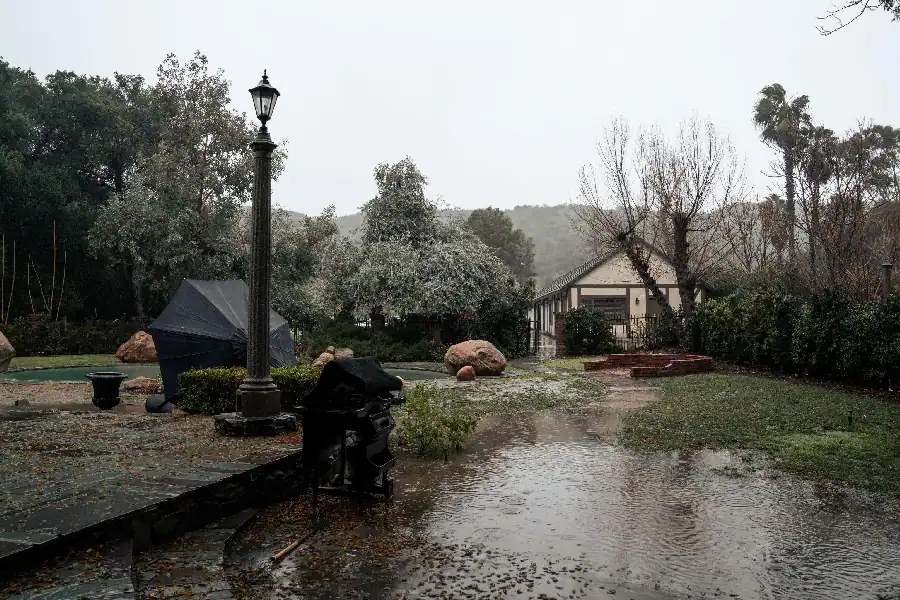
The most convenient corner of the backyard is not always the best installation site. Before excavation, underground utility lines, water movement, equipment access, nearby structures, and the path family members will use during emergencies should all be evaluated.
Checking utilities is essential. Gas, electrical, water, sewer, irrigation, or communication lines can cross a yard unexpectedly. Locating them before digging helps prevent damage and delays during storm shelter installation.
Drainage deserves the same attention. An underground shelter should not be placed where stormwater naturally collects. Grading should help move water away from the shelter. Trees, fences, gates, overhead lines, and narrow side yards can also affect whether the installation crew and equipment can reach the site.
For Oklahoma City properties, local regulations govern residential storm shelter placement and construction. A residential building permit is required for above- and below-ground shelters. Oklahoma City’s current storm shelter permit page lists fees of $99.50 for an in-ground or slope-top shelter and $104.50 for an above-ground safe room.
Outdoor permit applications also require supporting documentation, including a site plan and engineered specifications. Contractors performing permit-required residential work must be registered with Oklahoma City. Permit requirements vary outside city limits, so homeowners should always confirm local permit requirements before installation begins.
What Happens During the Storm Shelter Installation?
The exact shelter installation depends on the type of shelter and property. For an outdoor underground storm shelter, the crew confirms the location and prepares the site for excavation. Once the opening is ready, installers use appropriate lifting equipment, which may include a crane, to lower the shelter into place.
After positioning, proper backfilling supports the shelter and helps prevent future settling around the excavation. The crew can then complete grading and drainage work so water moves away from the opening as much as the property allows.
For an above-ground installation, the unit must be secured to appropriate concrete according to engineered requirements. With a garage installation, the existing slab and garage floor must also be suitable for the selected system.
A professional installation should address the door, latches, vents, ventilation, access, and overall finish. In Oklahoma City, permitted installations require inspection to confirm compliance with applicable regulations.
Many straightforward residential installations can be completed in a single day once the site is prepared. Difficult access, concrete work, severe weather, unusual soil, permitting, or complex excavation can extend the schedule. Our OKC Shelters installation crew explains what homeowners should expect before installation day so there are fewer surprises when equipment arrives.
After the shelter passes inspection, Oklahoma City homeowners can also register it with the city. Registration provides first responders with the shelter’s location if a tornado or other disaster damages the surrounding property.
Safety Standards Matter as Much as Placement
A storm shelter is a life-safety structure, so construction details matter. FEMA P-320 provides guidance for residential safe rooms, while ICC 500 establishes minimum design and construction requirements for storm shelters.
Testing for tornado shelter components includes impact resistance against flying debris. For FEMA-funded residential safe rooms designed for 250 mph tornado winds, FEMA guidance calls for vertical surfaces to withstand testing with a 15-pound 2×4 traveling at 100 mph.
That is more useful than relying on a broad “EF5-proof” marketing claim. What matters is whether the walls, door, anchoring, concrete, and complete installation meet applicable tested and engineered requirements.
At OKC Shelters, we help homeowners think through practical questions before they install: Who will use the shelter? How quickly can everyone reach it? Would above-ground access be easier? Does the yard have drainage concerns? Is there enough room for everyone? These details matter as much as the shelter itself.
Getting Your Shelter Ready for Severe Weather
Installation is only part of being prepared. Once the shelter is ready, everyone should know where to go and which door to use. During tornado warnings, there should be no confusion about the fastest route.
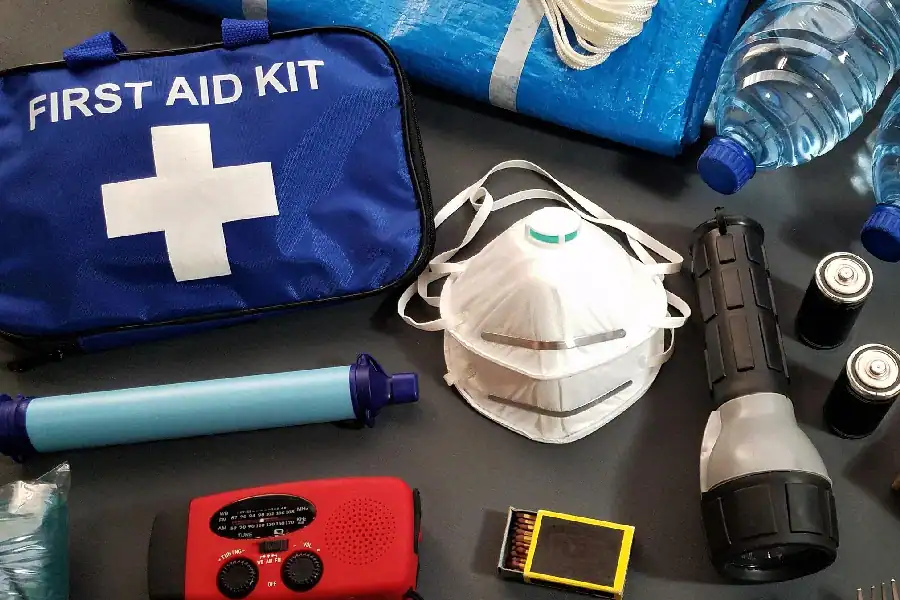
Keep the access path clear and avoid storing yard equipment or debris near the entrance. Inside, keep emergency supplies such as flashlights, drinking water, a weather radio, sturdy shoes, phone chargers, and basic first-aid items.
Make an annual check before storm season. Inspect the door, visible walls, concrete, seals, vents, and drainage areas. Check drains regularly for debris buildup, look for water intrusion or corrosion, and review your emergency supplies. Maintain hinges and other moving hardware according to the manufacturer’s instructions so the shelter remains easy to enter and secure.
A Backyard Shelter Starts With Careful Planning
No one can control when the next tornado warning or severe storm will develop. What homeowners can control is how prepared their families are when it happens.
Good backyard storm shelter installation starts before the first shovel touches the ground. It means choosing a sensible location, understanding the soil, checking utilities, considering flooding risk, planning easy access, meeting permit requirements, and completing the installation correctly.
At OKC Shelters, we help Oklahoma homeowners protect the people who matter most. Whether you need a backyard concrete storm shelter, an underground model, an above-ground safe room, or a garage solution, we can help you choose a shelter that works with your property and your family’s needs. Just reach us at (405) 896-8080!
The right shelter is not about making every storm feel less serious. It is about having peace because, when severe weather comes, you already know where to go.